Container gardening makes it possible to grow plants almost anywhere. Patios, balconies, decks, front porches, driveways, and other small spaces can all become productive growing areas with the right pots and plants. Containers are also an easy way to add color, texture, and height to an existing landscape.
Indoors, containers make it possible to grow houseplants, tropical plants, herbs, succulents, leafy greens, and other plants year-round. Whether you are creating one patio planter or an entire container garden, success starts with choosing plants, pots, growing media, and care practices that work well together.
Growing Different Types Of Plants In Pots
Annuals, perennials, shrubs, and even trees can grow successfully in containers when the pot size, drainage, sunlight, and winter care match the plant.

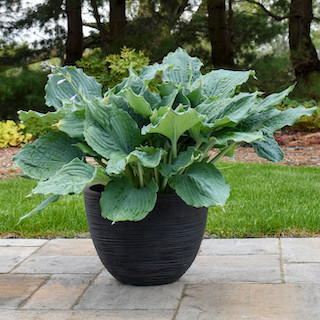
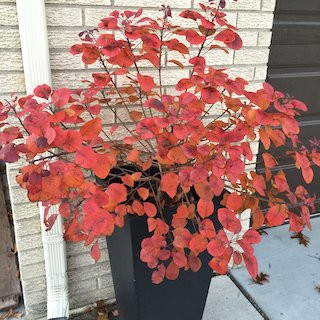

Best Plants For Planters
Start with plants that fit the container's sunlight, moisture, space, and climate. Explore our recommendations by plant type and growing condition.
 Best Annuals For Planters
  Best Perennials For Planters
  Best Shrubs For Planters
 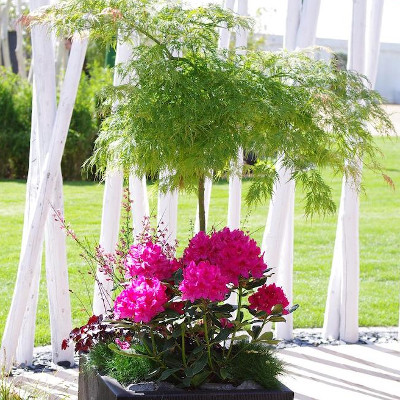 Best Trees For Planters
 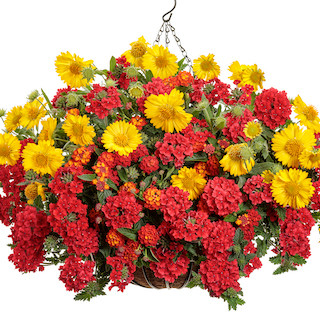 Best Plants For Hanging Baskets
  Drought Tolerant Plants For Pots
 Choosing The Right Planter
The best container is not just about appearance. Size, material, drainage, plant growth, location, weather, and sunlight all affect how well plants perform.




Garden Planter Materials
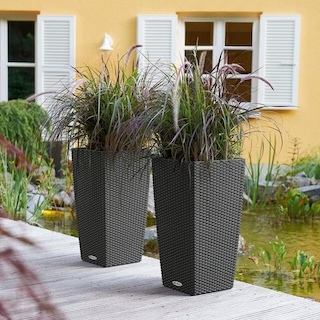
Planters come in resin, plastic, ceramic, terra-cotta, metal, wood, concrete, fiberglass, and many other materials. Consider weight, moisture retention, weather exposure, and whether the pot will remain outdoors through winter. Porous clay and some ceramic containers can be damaged by freeze-thaw cycles, while frost-resistant products may be designed for outdoor winter use. Always check the manufacturer's recommendations.
Picking The Right Planter Size
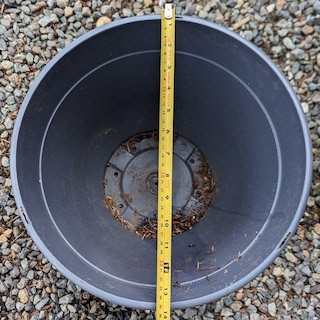
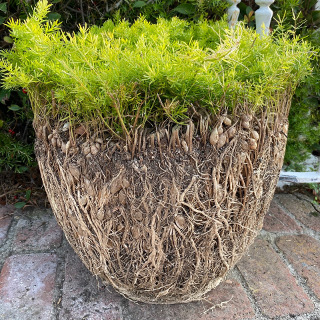
Choose a container large enough for the plant's current roots and future growth. Large shrubs, trees, vegetables, and vigorous perennials generally need more root volume than small annuals or herbs. A larger container also tends to dry out more slowly and can provide better stability for tall plants.
Planter Drainage
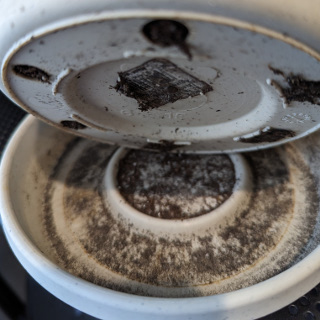
Drainage holes are important for most container plants because roots require both moisture and oxygen. Outdoor containers especially need a way for excess rain and irrigation water to escape. Indoors, place draining pots over a saucer and empty standing water after watering.
What if your decorative planter has no drainage hole? If you cannot safely drill drainage holes, one of the best options is to keep the plant in a smaller nursery pot with drainage and place that pot inside the decorative container. Remove it for watering or empty any water that collects in the outer pot. Avoid adding a layer of rocks beneath potting mix to "improve drainage" because the rock layer does not solve poor drainage and can leave the potting mix above it wetter.
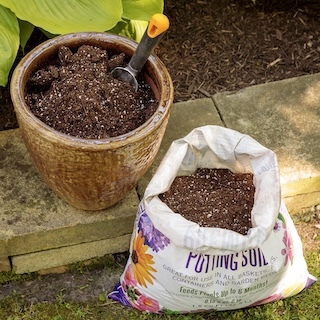
Use a potting mix made for containers. Ordinary garden soil can become dense and poorly aerated when placed in a pot. Quality container mixes are designed to balance moisture retention with the air space roots need.
Match the mix to the plant whenever possible. Succulents and other plants that prefer fast drainage have different needs than moisture-loving tropical plants or vegetables.
Planter Design
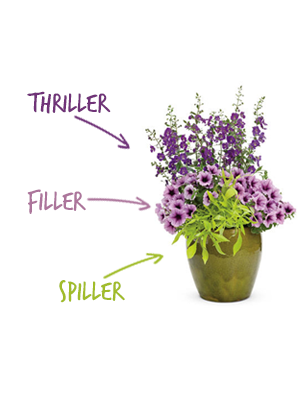
A simple way to design mixed containers is the thriller, filler, and spiller method: combine an upright focal plant with plants that fill the middle and trailing plants that soften the edge.


Pre-Planned Annual Container Combinations
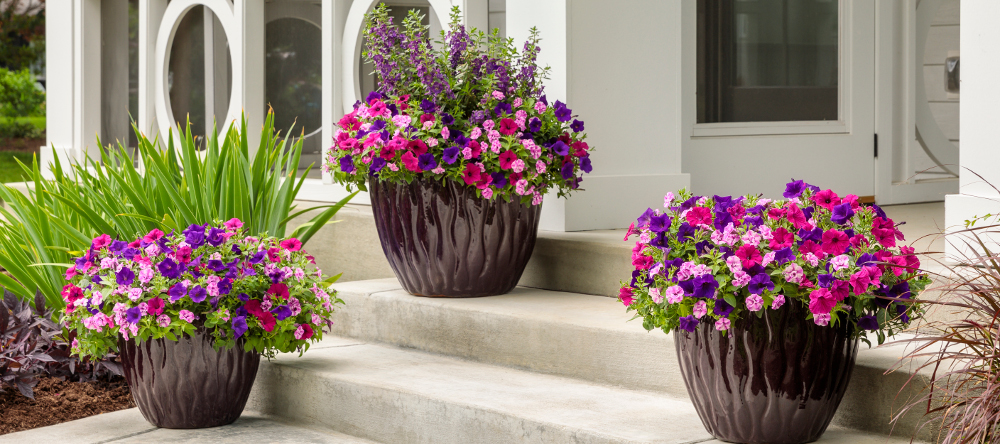
Prefer to skip the guesswork? Explore combinations designed with compatible colors, growth habits, and container roles.
Container Gardening Tips
Once the planter is set up, consistent watering, fertilizing, pest monitoring, drainage, and seasonal care help keep container plants healthy.
 Reusing Potting Soil
  Keep Pests Out Of Flower Pots
  Winterizing Garden Planters
  What Is A Self-Watering Planter?
  Setting Up A Garden Planter
 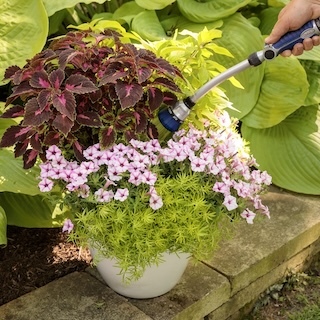 Watering Plants In Containers
 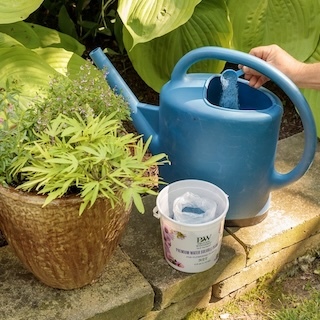 Fertilizing Plants In Containers
 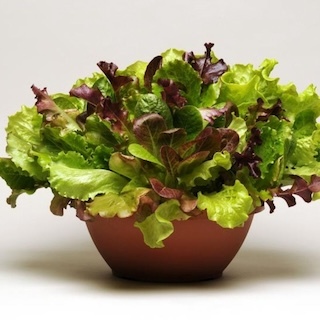 Growing Leafy Greens In Planters
 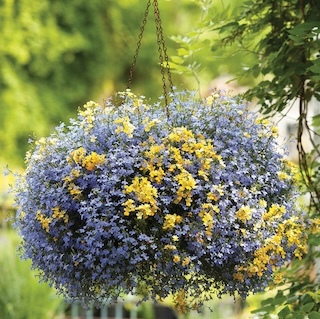 Growing Plants In Hanging Baskets