Garden planters make it possible to add flowers, foliage, shrubs, grasses, vines, and even perennials to patios, porches, balconies, entryways, and other spaces where in-ground planting may not be practical.
The best plants for a garden planter are not determined by appearance alone. Start by matching plants to the amount of sun, moisture, root space, and winter exposure the container will receive. If several plants share one planter, choose varieties with similar growing requirements.
What makes a plant good for a planter?
- Its mature size fits the container.
- Its sunlight needs match the location.
- Its moisture needs match the other plants sharing the pot.
- Its growth habit adds height, fullness, or trailing interest.
- It tolerates the faster temperature and moisture changes common in containers.
- Perennials and shrubs are given enough root space and winter protection for your climate.
Designing A Garden Planter
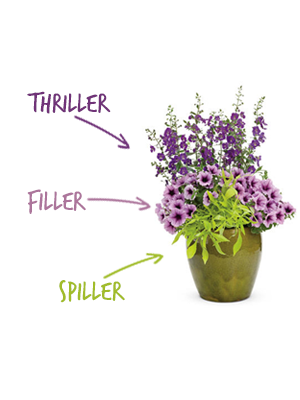
One of the easiest ways to build a mixed container is the familiar thriller, filler, spiller method.
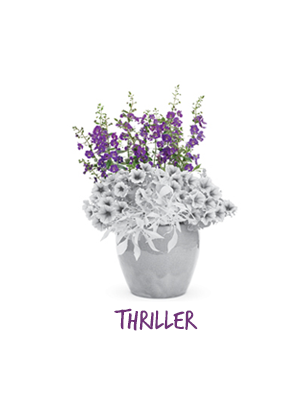
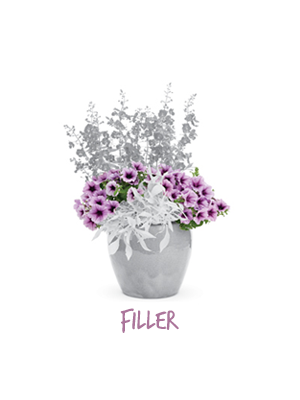
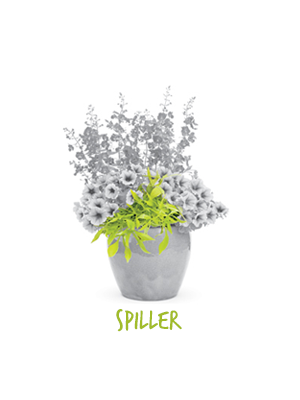
Illinois Extension describes thrillers as tall or bold focal plants, fillers as mounding plants that add body, and spillers as trailing plants that cascade over the edge. The method is optional, but it is a useful starting point for balancing height and texture.
 Design Basics
 Thriller Plants
  Filler Plants
  Spiller Plants
 Compatibility comes first. A beautiful combination will be difficult to maintain if one plant wants dry soil and full sun while another needs consistently moist soil and shade.
Best Shrubs For Garden Planters
Compact and dwarf shrubs can give containers more structure and can remain attractive longer than seasonal annuals. Use a large planter with adequate drainage and enough root volume for long-term growth.
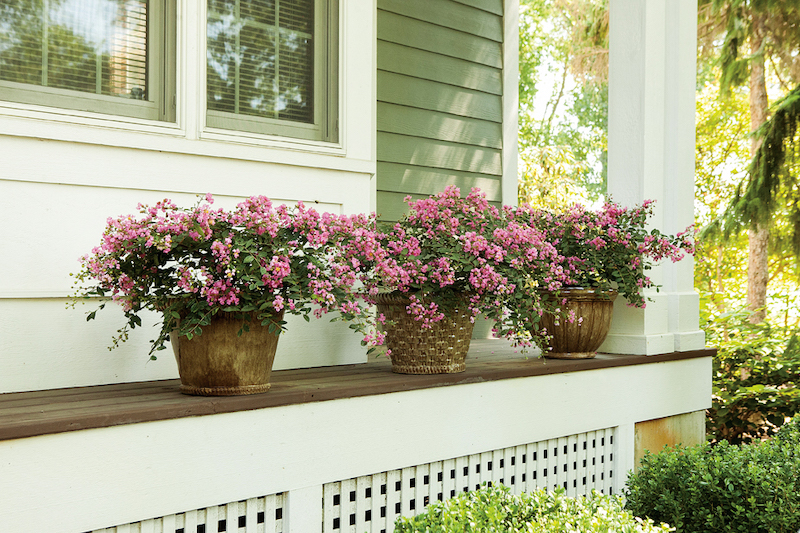
Crape Myrtle
Compact crape myrtle cultivars are excellent choices for large sunny containers. They provide summer flowers, attractive foliage, and an upright form that works well as a focal point.
Crape myrtles are generally deciduous and perform best in full sun. Mature size varies dramatically by cultivar, so choose a dwarf or compact selection rather than assuming every crape myrtle will remain container-sized.
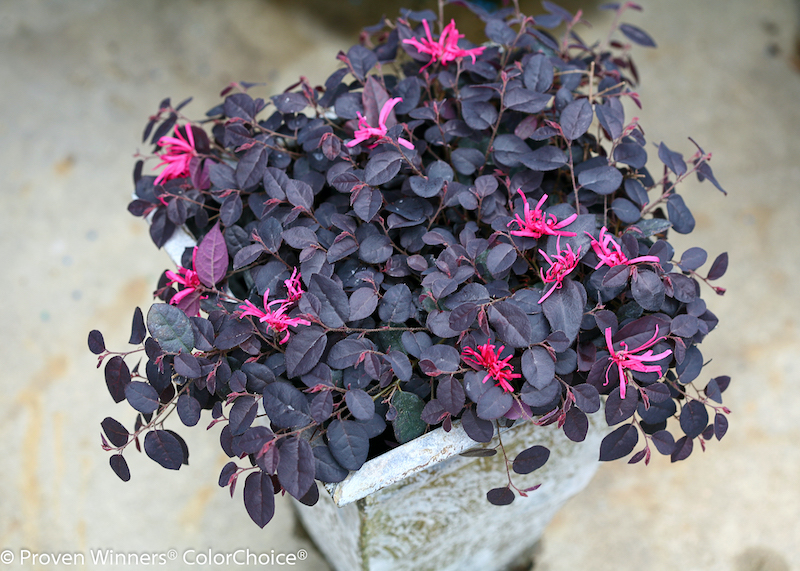
Loropetalum
Compact loropetalum cultivars provide colorful foliage in shades of green, burgundy, and purple along with fringe-like flowers.
Dwarf selections are particularly useful in large patio containers because they provide year-round or long-season foliage interest in climates where the plant remains evergreen.
Best Perennials For Garden Planters
Perennials can provide several seasons of color and texture in containers, but their roots are more exposed to winter temperatures than plants growing in the ground.
Choose a planter large enough for the mature root system and consider additional winter protection in cold climates.
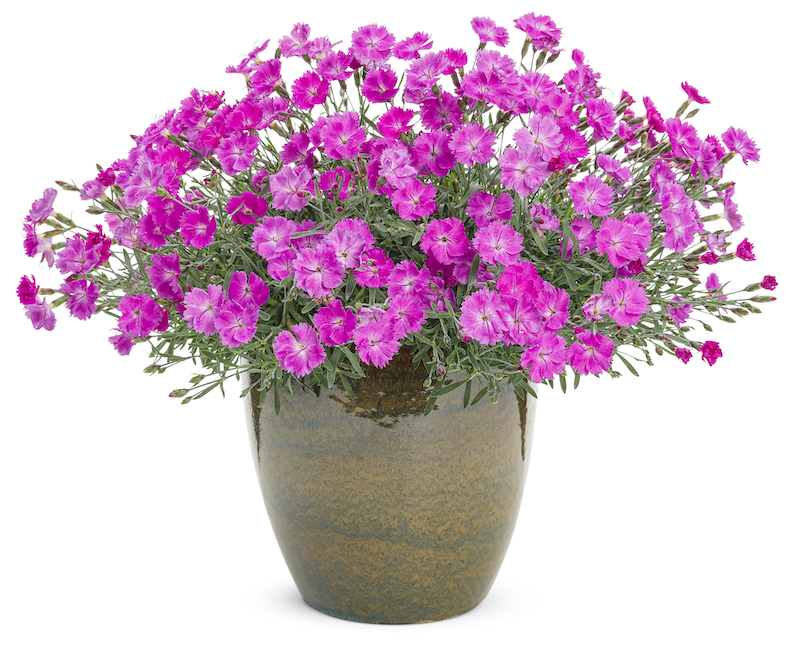
Dianthus
Dianthus combines compact growth with colorful flowers and narrow blue-green foliage. Many varieties prefer full sun and well-drained soil, making them useful in mixed containers or as standalone plants.
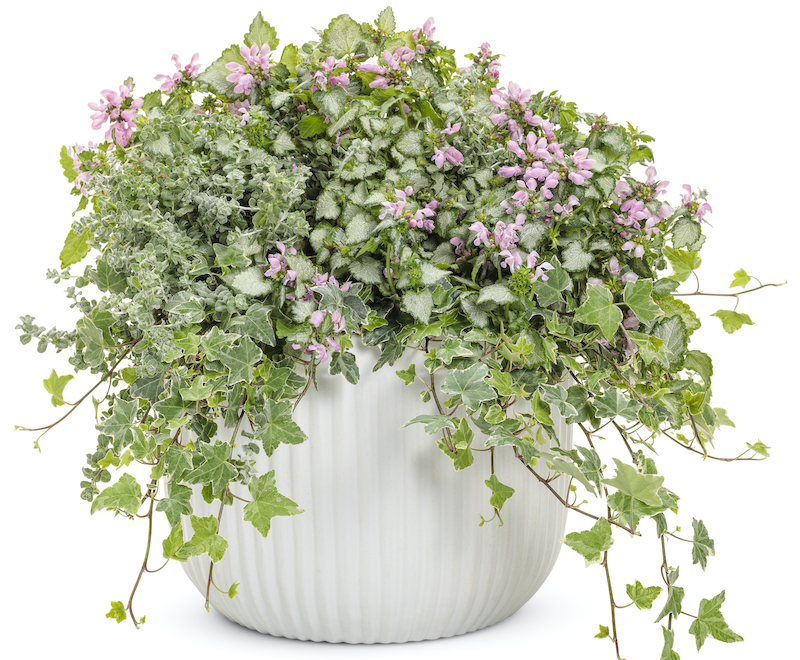
Dead Nettle
Dead nettle, or Lamium, is useful as a low filler or spiller in partly shaded containers. Silvery patterned foliage provides interest even when the plant is not flowering.
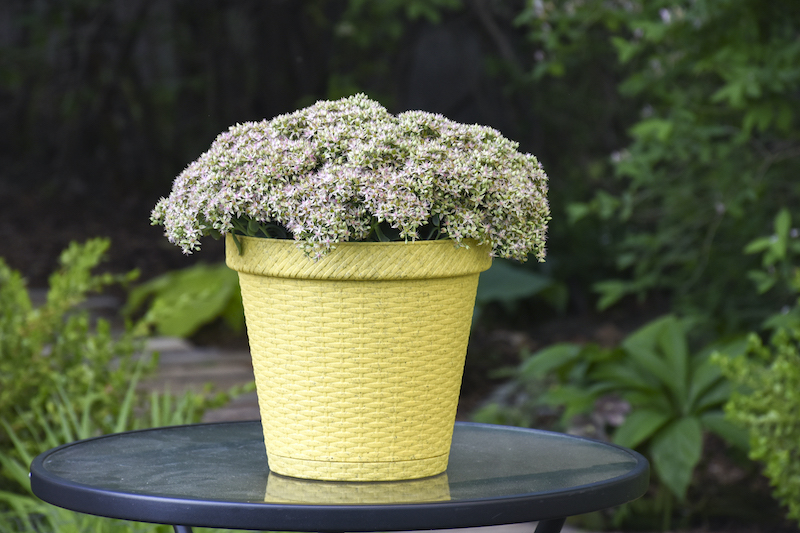
Sedum
Sedum is an excellent container choice for sunny locations with good drainage. Its fleshy leaves tolerate periods of dryness better than many flowering perennials.
Growth habit varies by type, from low trailing stonecrops to upright flowering sedums, so choose a cultivar that fits the size and design of the container.
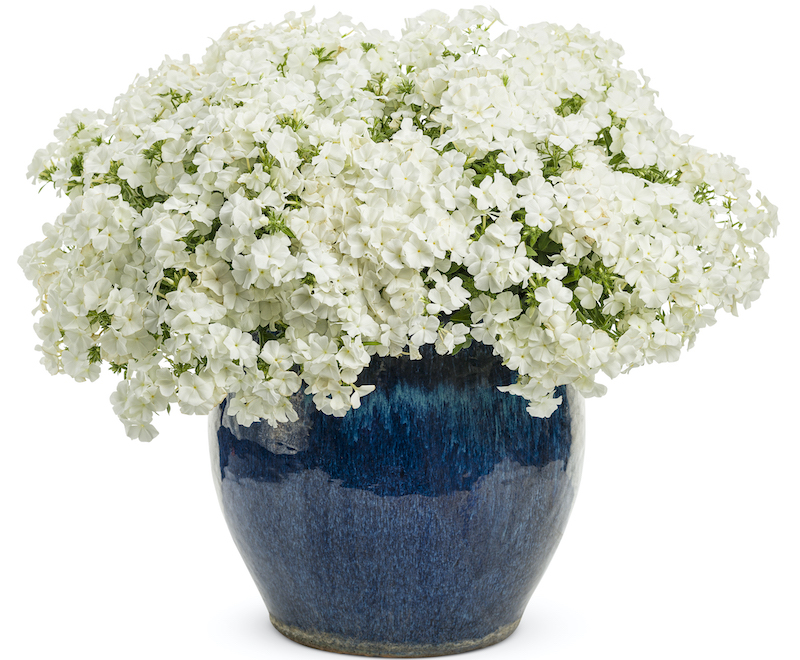
Phlox
Phlox includes both compact and tall-growing types, and many can work well in containers when the planter matches their mature size.
Compact selections are especially useful for colorful patio pots, while taller garden phlox need larger, more stable containers. Most flower best with plenty of sun and consistent moisture.
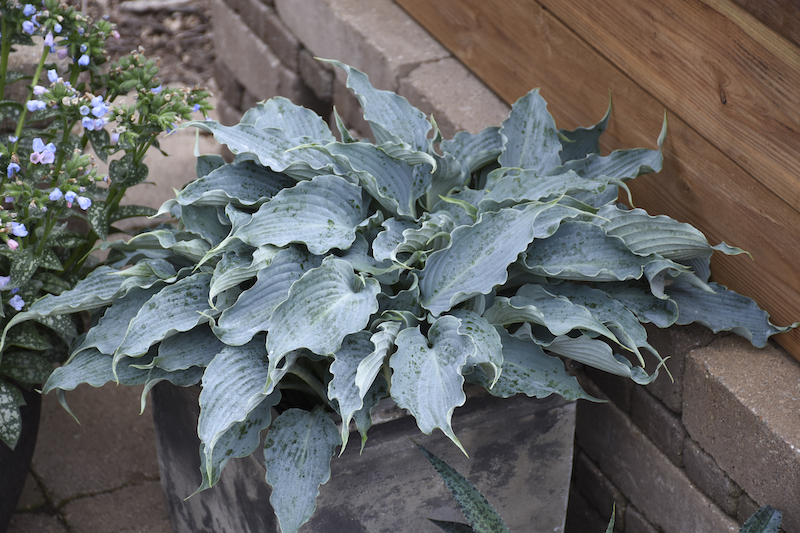
Hosta
Hostas are excellent foliage plants for shaded and partly shaded containers. Their broad leaves come in green, blue, gold, white-variegated, and multicolored forms.
Larger hostas need substantial containers, while miniature and small cultivars are ideal for tighter spaces.
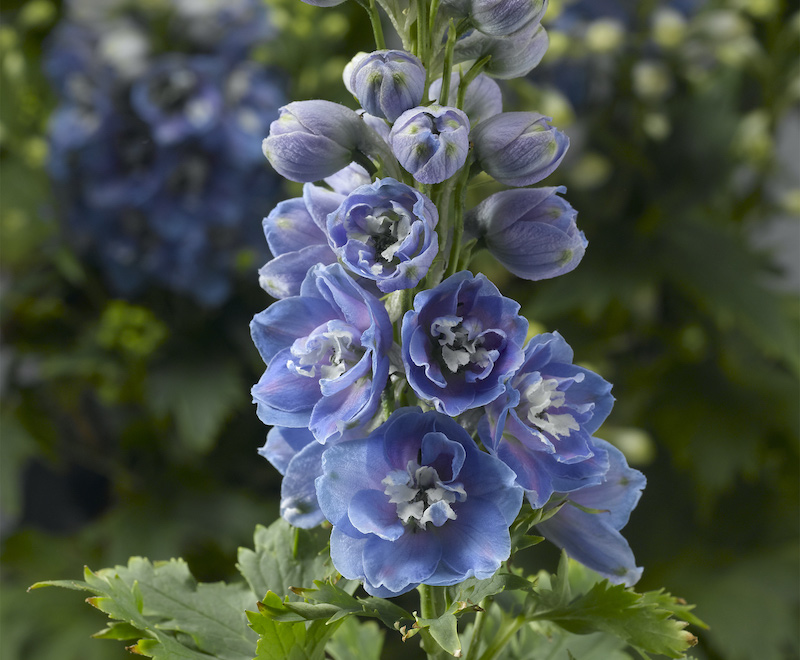
Larkspur & Delphinium
Upright delphiniums and larkspur provide dramatic vertical flowers and can act as thrillers in large containers.
Because some varieties grow several feet tall, use a substantial planter and provide support where needed. These plants are better suited to larger containers than small patio pots.
Hens And Chicks
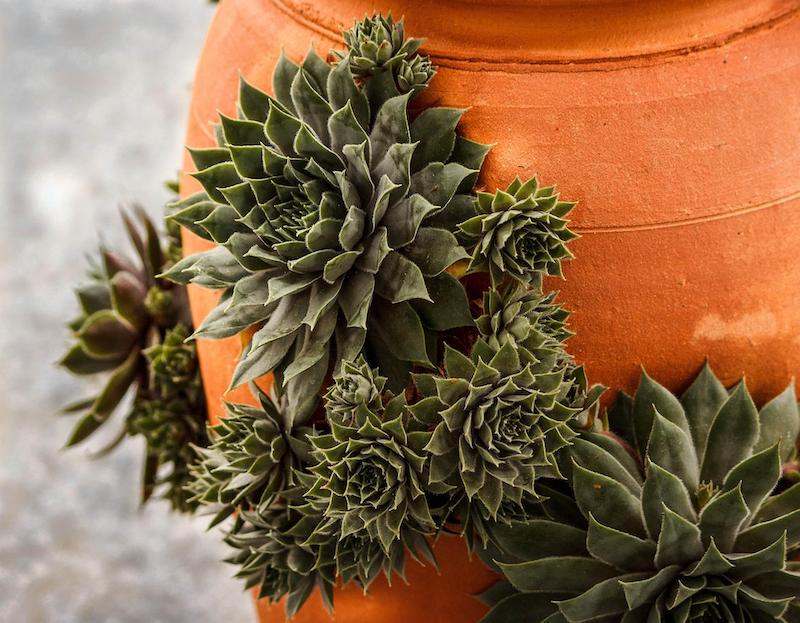
Hens and chicks are hardy Sempervivum succulents that form compact rosettes and offsets. Their shallow growth habit makes them especially attractive in bowls, troughs, and low containers.
Give them strong light and excellent drainage. Many types are very cold hardy, although container-grown roots are still more exposed to winter temperature swings than roots in the ground.
Beardtongue
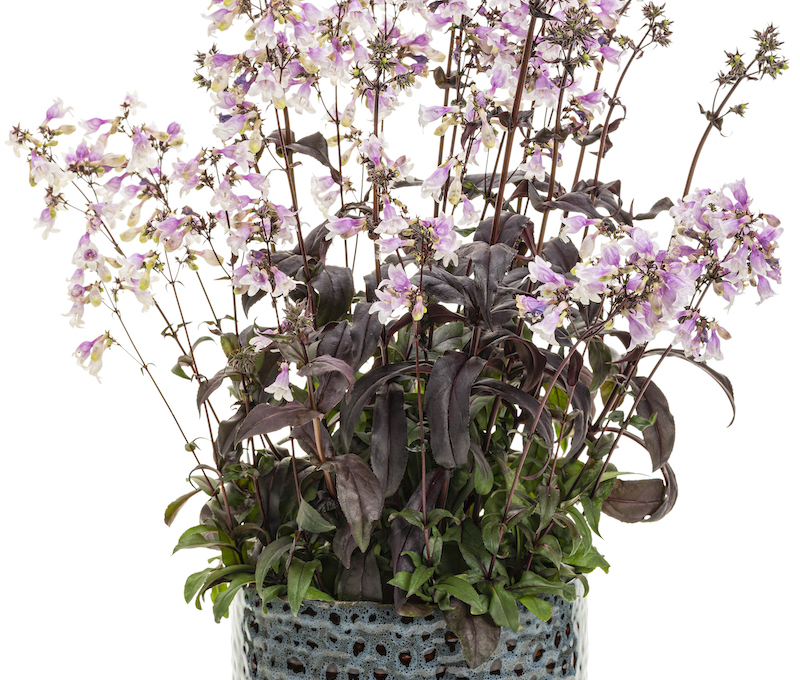
Beardtongue, or Penstemon, is a North American perennial with upright stems of tubular flowers that attract pollinators and hummingbirds.
Compact cultivars work well as container thrillers in sunny locations. Use well-drained potting mix and avoid pairing them with plants that require constantly wet soil.
Best Annuals For Garden Planters
Annuals are some of the easiest plants to use in containers because they can provide an entire season of color without requiring long-term overwintering space.
African Daisy
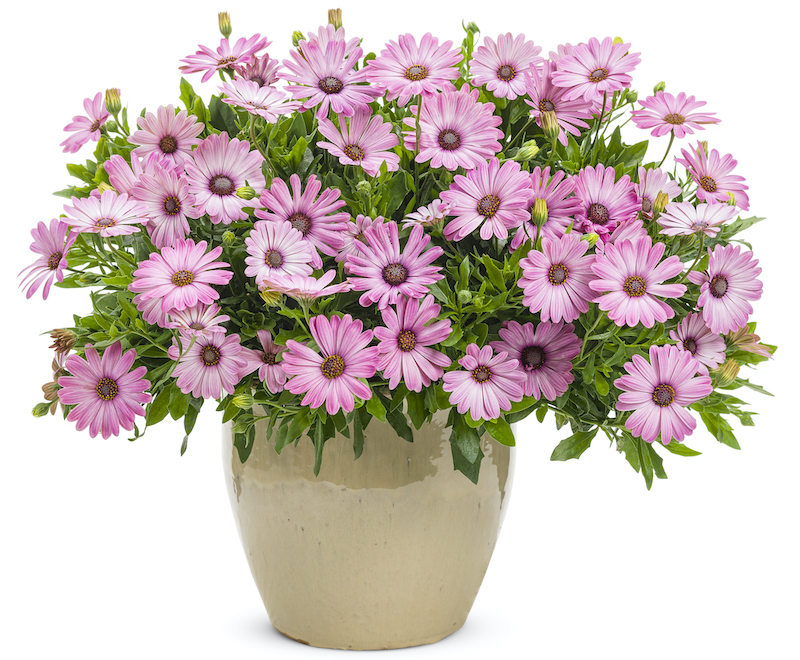
African daisies, especially Osteospermum cultivars, produce daisy-like flowers in a wide range of colors and work well in sunny spring and fall containers.
They often flower best during moderate temperatures and may slow down during extreme summer heat before resuming as conditions improve.
Coleus
Coleus is one of the best foliage plants for containers because cultivars are available in an enormous range of colors, patterns, heights, and sun tolerances.
Some varieties prefer shade, while modern cultivars may tolerate substantial sun. Check the needs of the specific cultivar rather than assuming all coleus requires shade.

Egyptian Papyrus
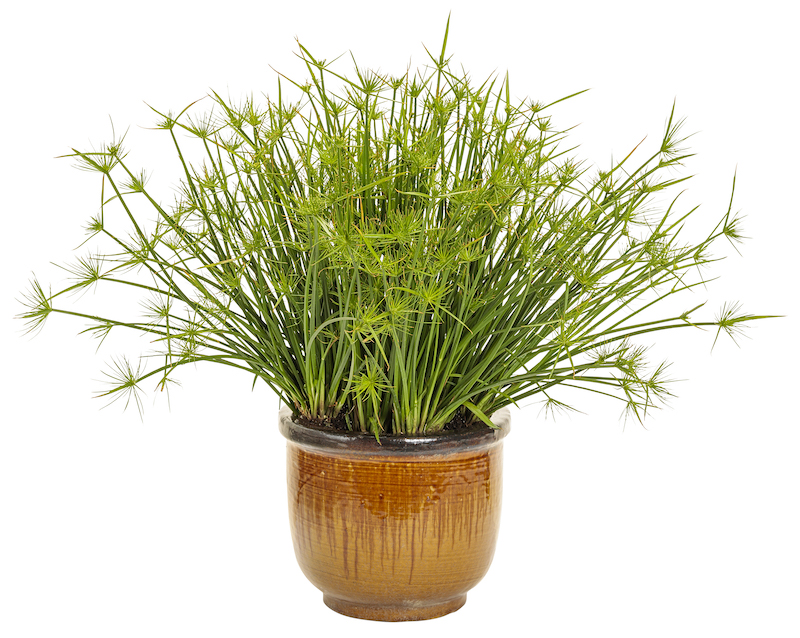
Dwarf papyrus such as Queen Tut creates dramatic vertical structure and makes an excellent thriller in large containers.
Unlike many other container plants, papyrus prefers consistently moist to wet growing conditions and can tolerate shallow standing water around its roots. Pair it only with other plants that appreciate similar moisture.
Best Ornamental Grasses For Planters
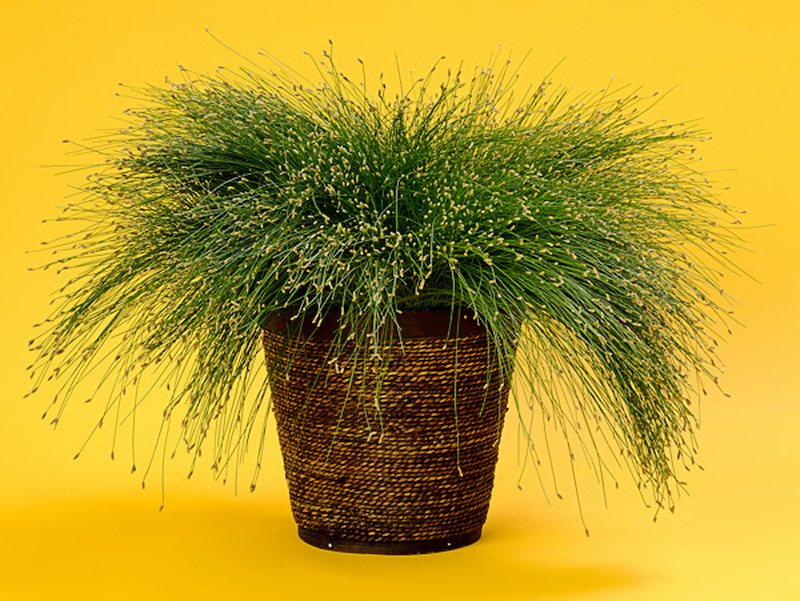
Fiber Optic Grass
Fiber optic grass creates a soft fountain of narrow stems topped by tiny pale flowers. It works well as a textural thriller or filler.
This plant prefers consistently moist soil and should not be paired with drought-tolerant plants that need the potting mix to dry substantially between waterings.
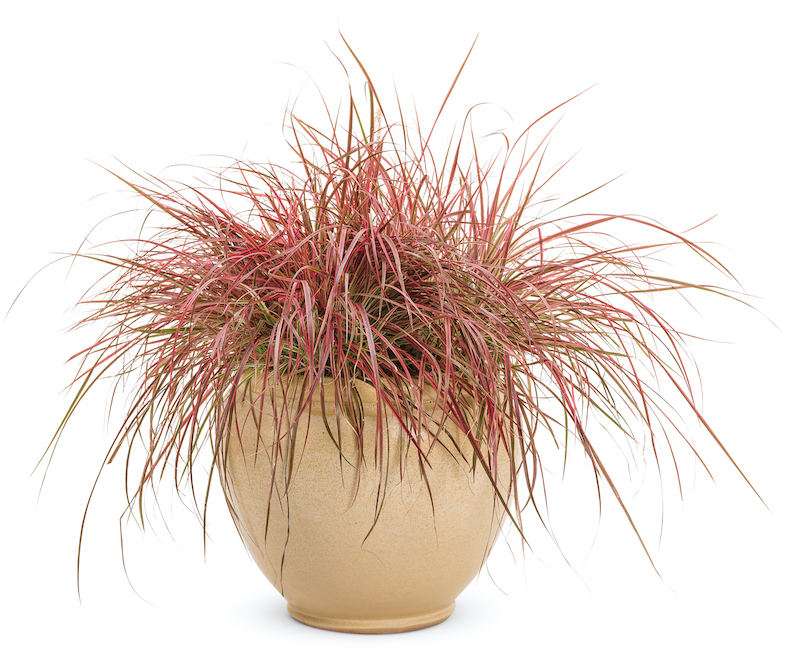
Fountain Grass
Fountain grasses add movement, height, and fine texture to large containers. Compact cultivars are especially useful as thrillers.
Light and moisture needs vary by species and cultivar, so check the specific variety before combining it with other plants.
Best Vines And Spillers For Planters
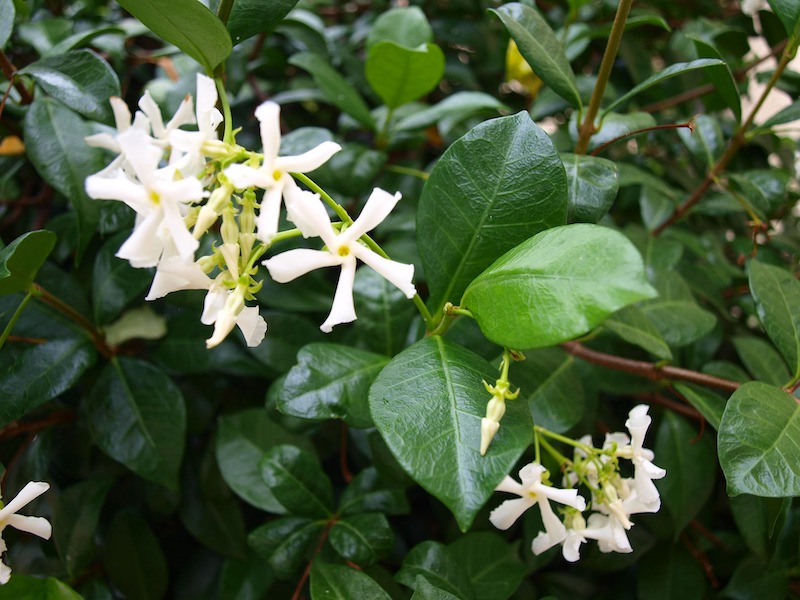
Asiatic Jasmine
Asiatic jasmine is grown primarily for its dense, glossy foliage rather than showy flowers. Its trailing or spreading habit makes it useful near the edge of larger containers.
It can provide an evergreen appearance in warmer climates and works especially well where a durable foliage spiller is more important than seasonal flowers.
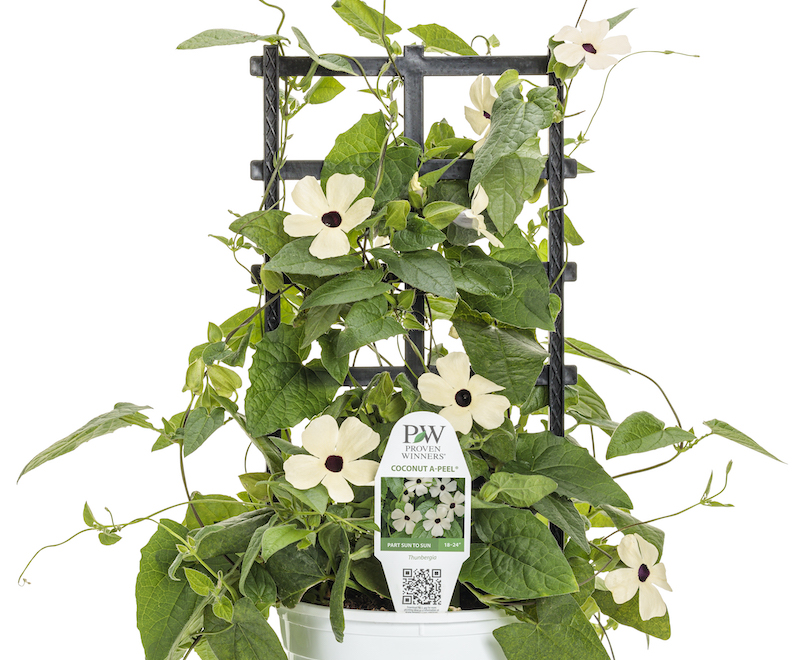
Black-Eyed Susan Vine
Black-Eyed Susan Vine (Thunbergia alata) is a fast-growing tropical vine commonly grown as an annual in colder climates.
It can climb a trellis or cascade from a large hanging basket. Plants can grow several feet in a single season, so give them a sturdy support and enough container volume for vigorous growth.
Black-Eyed Susan Vine is not the same plant as perennial Black-Eyed Susan (Rudbeckia).
Creeping Jenny
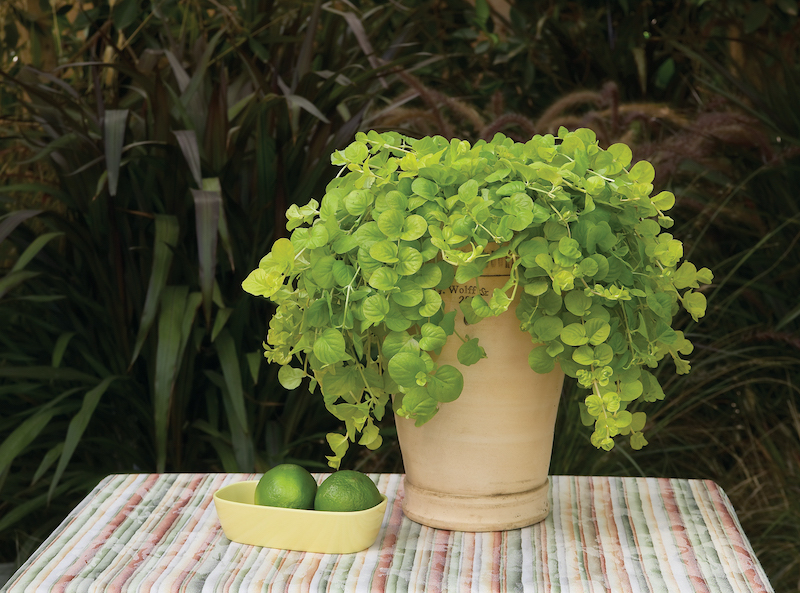
Creeping Jenny is a classic spiller with long stems covered in rounded green or chartreuse leaves.
It performs well along planter edges and can tolerate more moisture than many drought-tolerant trailing plants. Because it can spread aggressively in the landscape in some areas, keeping it contained can also be useful.
Other Excellent Plants For Garden Planters
Sunflowers
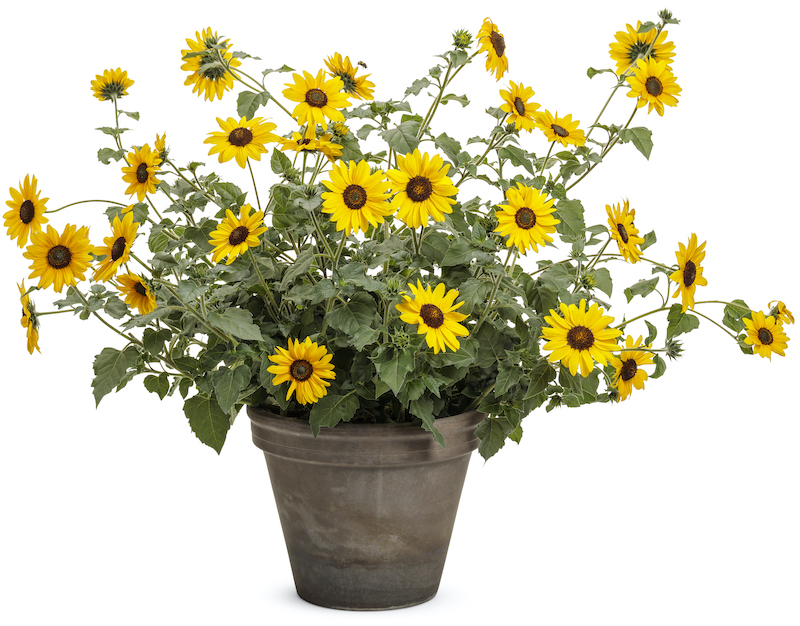
Compact and branching sunflower cultivars can make excellent container thrillers. Look for varieties bred to remain shorter or more compact rather than planting a giant sunflower in a small pot.
Use a stable container with plenty of sun and adequate root space.
Sea Holly
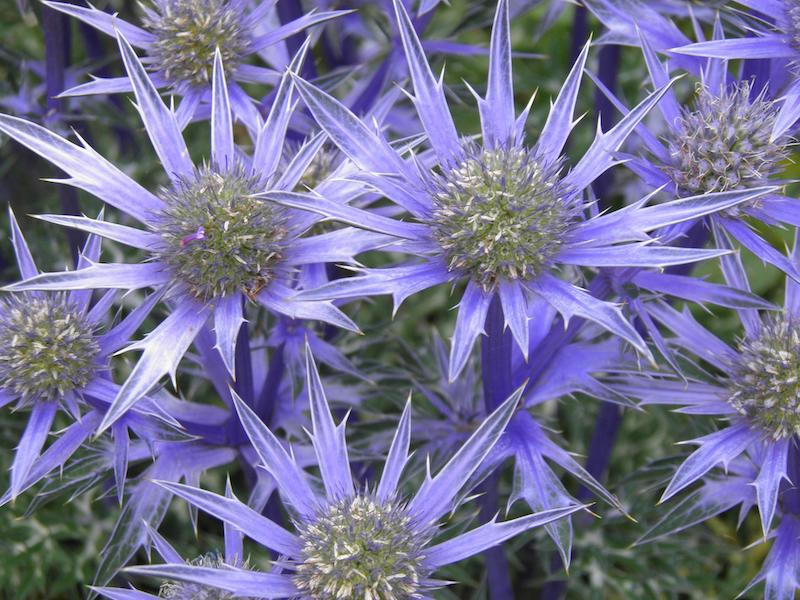
The blue, spiky flowers and textured foliage of sea holly (Eryngium) make it an unusual but attractive container plant.
Sea holly prefers strong sun and well-drained soil and is tolerant of relatively dry conditions once established. It can work as a distinctive thriller in a larger planter.
How To Choose Plants For A Garden Planter
Instead of choosing plants only by flower color, work through the growing requirements first.
1. Check Sunlight
Determine whether the planter receives full sun, part sun, or shade.
2. Match Moisture
Combine plants that prefer similar soil moisture.
3. Consider Size
Make sure mature plants will fit without overwhelming the container.
4. Add Contrast
Mix upright, mounding, and trailing plants with different foliage textures.
Can Perennials And Shrubs Stay In Planters Year-Round?
Sometimes, but container-grown roots experience colder winter temperatures than roots protected in the ground.
Winter survival depends on the plant's hardiness, container size and material, drainage, exposure, and local climate.
If a perennial or shrub will remain outdoors for winter, choose a large weather-resistant planter and select plants with sufficient cold hardiness for your conditions.
Build A Better Garden Planter
Sources
- Illinois Extension — Container Gardens
- Illinois Extension — Plants For Container Gardens
- Illinois Extension — Helpful Tips For Creating A Successful Container Garden
- North Carolina Extension — Black-Eyed Susan Vine
- North Carolina Extension — Egyptian Papyrus
- North Carolina Extension — Sea Holly