Decorative planters without drainage holes can still be used for plants, but they require a different approach than standard garden containers. Because excess water cannot escape, overwatering becomes much easier and the root zone can remain wet for too long.
For most houseplants and outdoor container plants, the safest solution is to use the decorative planter as a cachepot: keep the plant in a smaller container with drainage holes and place that container inside the decorative pot.
Using a planter without drainage
- Best option: Use a draining inner pot inside the decorative container.
- Remove the inner pot when watering and let it drain completely.
- Empty standing water from the decorative outer pot.
- Do not rely on rocks or gravel to create drainage.
- Direct planting is possible, but watering must be carefully controlled.
- Outdoor sealed containers are much harder to manage because of rainfall.
- Succulents and cacti are poor candidates for sealed containers.
Why Do Some Planters Have No Drainage Holes?
Many decorative pots are designed primarily for appearance and indoor use rather than direct planting.
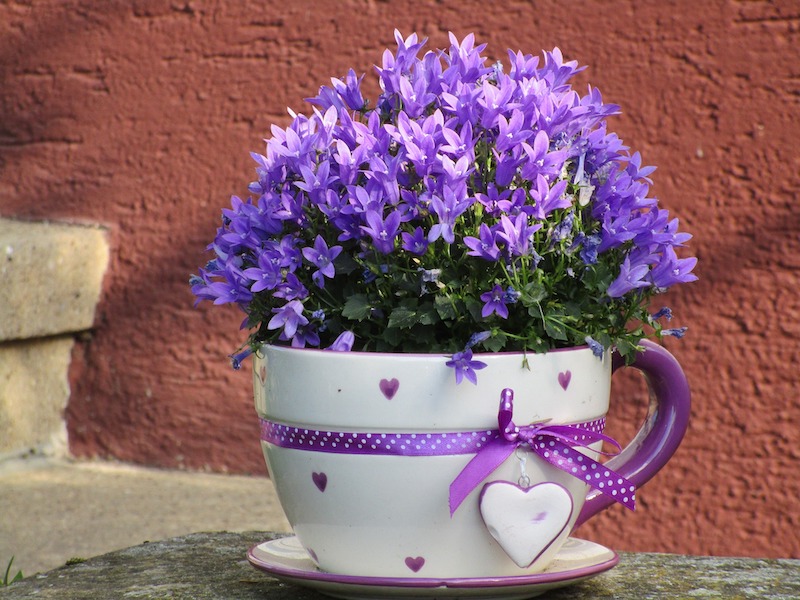
A container without drainage can protect tables, shelves, flooring, and furniture from runoff. In many cases, it is intended to function as a cachepot that hides a basic nursery container.
Other water-holding containers are designed for aquatic plants, water gardens, terrariums, or specialized displays.
The absence of a drainage hole does not necessarily mean an ordinary houseplant should be planted directly in the container.
Best Option: Use The Planter As A Cachepot
A cachepot is simply a decorative outer container that holds another pot inside it.
This approach gives you the appearance of the decorative planter while allowing the plant itself to grow in a container with normal drainage.
How to use a cachepot
- Choose an inner nursery pot that fits comfortably inside the decorative planter.
- Make sure the inner pot has drainage holes.
- Remove the inner pot when the plant needs watering.
- Water thoroughly until excess water drains from the bottom.
- Let the container finish draining.
- Empty any water that has collected in the decorative pot.
- Return the plant to the cachepot.
Make Sure The Inner Pot Fits Properly
The nursery pot should slide in and out without becoming wedged inside the decorative container.
If the outer planter tapers toward the bottom, measure its interior carefully. A nursery pot may fit through the opening but become stuck farther down.
See our guide to Measuring Garden Planters for help comparing inside dimensions.
Can You Plant Directly In A Pot Without Drainage?
Yes, but it is less forgiving than using a container with drainage holes.
Every drop of water added to a sealed planter remains inside until it is absorbed by the plant or evaporates. This makes it much easier to create a saturated layer at the bottom without realizing it.
If you choose to plant directly in a sealed pot, careful watering becomes essential.
Use Potting Mix
Choose lightweight container mix rather than dense garden soil.
Measure Water
Avoid pouring freely until water would normally run from the bottom.
Check Deeper
The surface may feel dry while the bottom of the pot remains wet.
Water Less Often
Wait until moisture levels match the needs of the plant before watering again.
How To Check Moisture In A Sealed Planter
Moisture is harder to judge in a container without drainage because you cannot see runoff.
Depending on the planter, useful methods include:
- Checking the potting mix with a finger at several depths
- Using a wooden skewer to check deeper moisture
- Using the weight of a small container as a guide
- Using a moisture meter as an additional reference rather than the only indicator
Do Rocks Create Drainage In A Pot Without Holes?
No. Gravel, rocks, broken pottery, packing peanuts, and similar materials do not create an exit for water.
Water can remain in the finer-textured potting mix above the coarse layer until the soil becomes highly saturated.
Adding a rock layer therefore reduces the amount of usable potting mix without solving the main problem: water still cannot leave the container.
A gravel layer is not a substitute for drainage holes. If possible, use a draining inner pot or add a drainage hole to the decorative planter.
Does Charcoal Make A Sealed Planter Safer?
Charcoal does not create drainage.
Horticultural charcoal is used in some terrariums and specialty growing systems, but water still has nowhere to leave a sealed planter.
A charcoal or gravel layer should therefore not be treated as protection against overwatering.
Can You Use A Planter Without Drainage Outdoors?
Outdoor sealed planters are much harder to manage because rainfall is outside your control.
A single heavy storm can add far more water than the plant needs and leave the root zone saturated.
For most outdoor planters, adding drainage holes or using a removable inner pot is strongly preferred.
If a decorative outdoor container cannot be drilled, place it under cover whenever possible and make sure water is not collecting around the inner pot.
If you are considering adding drainage holes, see our Ultimate Guide To Drainage For Potted Plants for information about planter materials, drainage holes, potting mix, and safely improving drainage.
Can Succulents Grow In Pots Without Drainage?
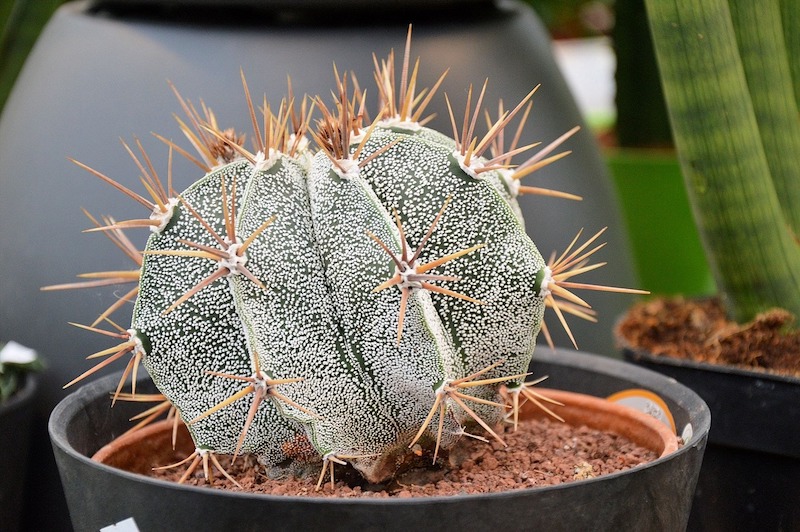
Succulents and cacti are poor candidates for sealed containers because most are adapted to conditions where the root zone dries between waterings.
If excess water remains trapped at the bottom of the planter, succulent roots can decline or rot.
The safest approach is to grow the succulent in a draining nursery pot using an appropriate fast-draining mix, then place that container inside the decorative pot.
What About Moisture-Loving Plants?
A plant that prefers moist soil is not necessarily adapted to standing water.
Many common houseplants prefer relatively even moisture but still need oxygen around their roots.
Do not assume plants such as pothos, ZZ plants, spider plants, dieffenbachia, or schefflera are naturally suited to sealed containers simply because they can tolerate a range of watering conditions.
Plants For Intentionally Water-Holding Containers
A sealed container can be useful when it is intentionally designed as a miniature water garden, bog planter, or aquatic display.
In that case, select true aquatic, shoreline, or wetland plants that are adapted to the amount of standing water the container will hold.
Important distinction: A moisture-loving houseplant and an aquatic or bog plant are not the same thing. Choose plants specifically adapted to saturated or submerged growing conditions.
Carnivorous Plants And Drainage
Some carnivorous plants naturally grow in wet environments, but their care is specialized.
Many are grown using a tray method in low-nutrient media and watered with rainwater, distilled water, or another low-mineral source.
Requirements differ between species, so do not assume every carnivorous plant should simply be placed in a sealed container full of standing water.
What If Water Collects At The Bottom?
If an inner nursery pot is sitting in collected water, remove it and empty the decorative container.
If a plant has been planted directly into a sealed pot and you suspect excess water has accumulated, carefully tip out water if the planter and plant can be handled safely.
If the potting mix remains saturated and the plant is declining, repotting into a container with drainage may be the safest option.
Signs A Plant May Be Staying Too Wet
Yellow Leaves
Persistent yellowing can occur when roots remain waterlogged.
Wilting In Wet Soil
Root damage can prevent the plant from taking up water normally.
Soft Or Dark Roots
Healthy roots are usually firm; soft or decaying roots can indicate rot.
Mix Never Dries
Constantly saturated potting mix suggests the watering method needs to change.
What To Do If The Plant Is Waterlogged
- Stop watering until you understand how wet the root zone is.
- Remove the plant from standing water if it is inside a cachepot.
- If planted directly in the decorative container, inspect the root ball if the plant is declining.
- Remove badly rotted root tissue with clean tools when necessary.
- Repot into fresh container mix and a planter with drainage if the current setup is repeatedly causing problems.
Should You Plug Existing Drainage Holes?
Usually not.
If a planter already has drainage holes, keeping them functional is generally better for plant health than sealing them.
If runoff is the concern indoors, use a saucer, waterproof tray, or cachepot rather than permanently blocking the drainage opening.
The Safest Setup For Most Plants
Keep the plant in a pot with drainage holes and place that pot inside the decorative container.
This gives you the appearance of a sealed decorative planter while preserving normal drainage, easier watering, and simpler access to the root system.
Related Container Care Guides
Sources
- Illinois Extension — Container Drainage Options
- Illinois Extension — Get Started With Houseplants
- Illinois Extension — Planting the Water Garden Container
- Illinois Extension — Carnivorous Plant Care Tips
- Penn State Extension — Debunking Garden Myths
- University of Minnesota Extension — Cacti and Succulents