Annuals are some of the easiest plants to use in garden planters because they provide fast color, texture, and seasonal interest without requiring a long-term commitment. You can completely change the look of a patio, porch, balcony, or entryway from one year to the next.
The best annuals for planters are plants that match the sunlight, moisture, and space available in the container. Some are true annuals that complete their entire life cycle in one season, while others are tender perennials that are commonly grown as annuals in climates where they cannot survive winter.
What makes an annual good for a planter?
- Its mature size fits the container.
- Its sunlight needs match the location.
- Its moisture needs match the other plants sharing the planter.
- Its growth habit adds height, fullness, or trailing interest.
- It flowers or provides attractive foliage for a long portion of the season.
- It tolerates the faster drying that often occurs in containers.
- The planter has adequate drainage and enough root space for the mature plant.
What Are Annual Plants?
True annuals complete their life cycle in a single growing season. They germinate, grow, flower, produce seed, and eventually die.
However, many plants sold and used as annuals are actually tender perennials. Begonias, sweet potato vines, elephant ears, coleus, and many other familiar container plants can live for multiple years in climates where winter temperatures remain warm enough.
In colder climates, these tender plants are usually grown outdoors for one season and replaced the following year.
Using Annuals In Mixed Planters
Annuals are often grouped into three design roles: thrillers, fillers, and spillers.
Thriller
A taller or especially dramatic plant that creates height and acts as a focal point.
Filler
A mounding plant that fills the center of the planter and creates a lush appearance.
Spiller
A trailing plant that grows over the edge and softens the sides of the container.
Plant compatibility matters more than design roles. Plants sharing a container should have similar sunlight, moisture, and fertilizer requirements even if their growth habits look great together.
Choosing The Best Annuals For Planters
Before choosing plants by flower color, determine how much direct sunlight the container receives and how quickly it tends to dry.
A planter exposed to intense afternoon sun will require very different plants from a pot sitting beneath a covered porch. Wind, container size, planter material, and local summer temperatures also affect how well annuals perform.
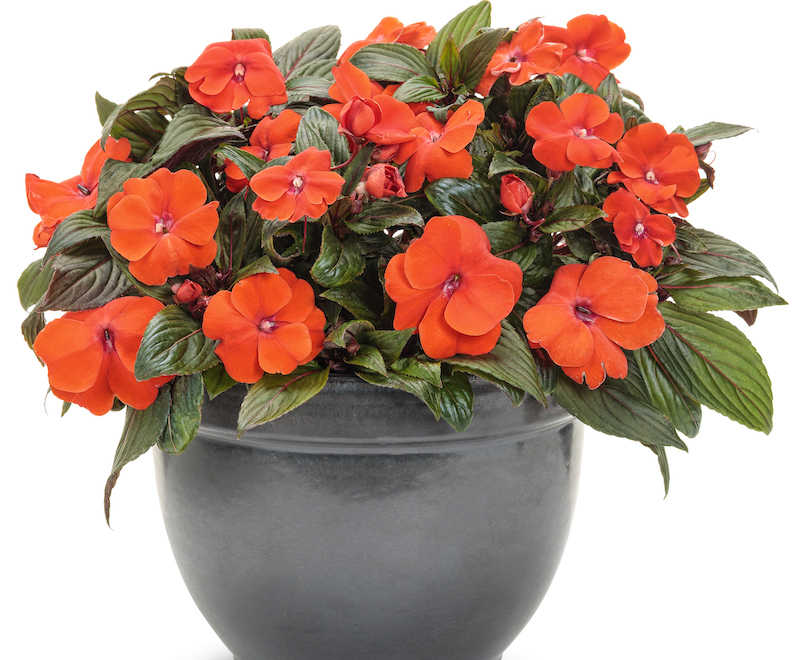
1. Impatiens
Impatiens are classic container fillers because they form colorful mounds of flowers from spring until frost.
Traditional impatiens generally prefer part shade to shade, while New Guinea impatiens and SunPatiens varieties can tolerate considerably more sunlight. Check the needs of the specific type rather than assuming every impatiens grows best in the same exposure.
Keep the potting mix consistently moist without leaving the root zone waterlogged.
2. Citronella-Scented Geranium
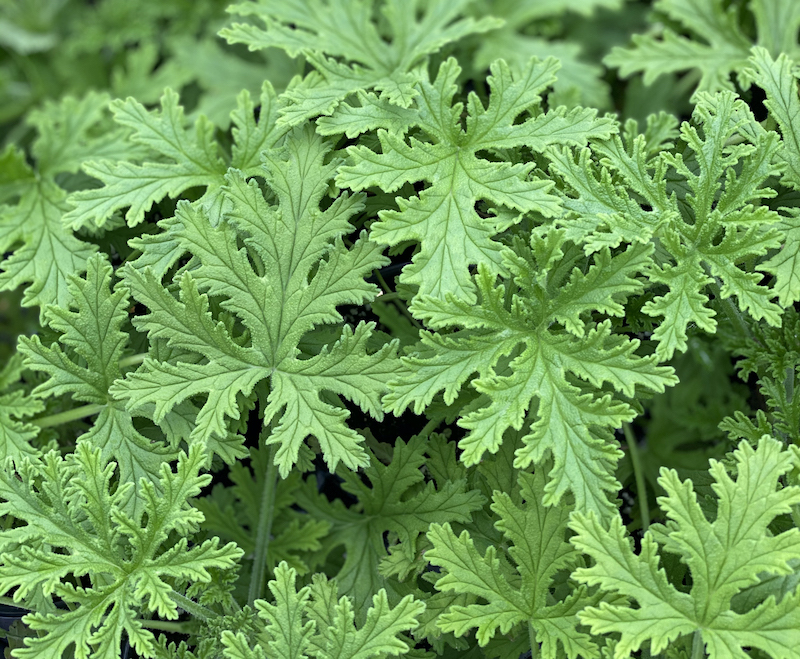
The plant commonly sold as a Mosquito Plant is a scented Pelargonium grown for its deeply cut foliage and strong citrus-like fragrance.
It makes an attractive foliage filler or centerpiece in sunny containers and can be pinched back to encourage bushier growth.
Despite its common name, simply placing a citronella-scented geranium on a patio should not be relied on as an effective mosquito-control method. The plant is better valued for its foliage and fragrance.
3. Snapdragons
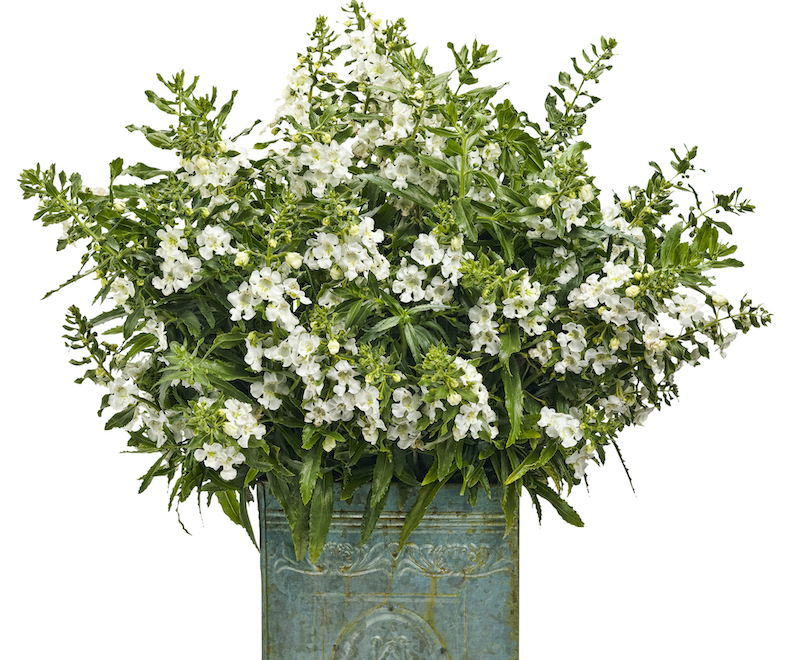
Snapdragons bring upright flower spikes to containers and make excellent thrillers or vertical accents.
Unlike many warm-season annuals, snapdragons generally perform best during cooler weather. They often flower heavily in spring and fall and may slow down during prolonged summer heat.
Mature height varies substantially by variety, from compact dwarf selections to tall cutting types, so choose a cultivar that fits the size of the planter.
4. Dracaena Spikes
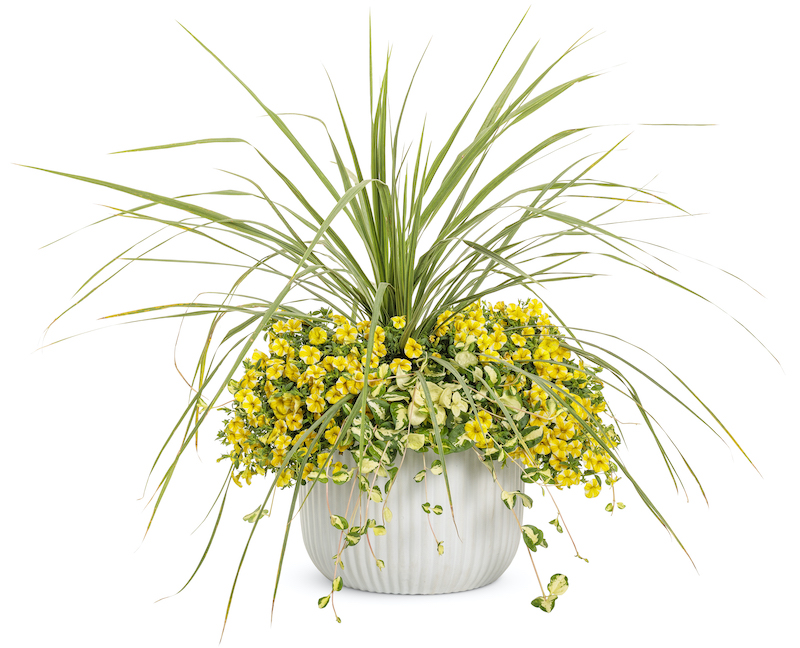
Dracaena-type spikes are commonly used as vertical foliage accents in annual container combinations.
Their narrow, upright leaves provide contrast against mounding flowers and trailing plants and make them especially useful as thrillers.
Although commonly sold with annuals, these foliage plants are tender in cold climates and are typically treated as annuals where freezing temperatures occur.
Allow the potting mix to dry somewhat between waterings rather than keeping the roots constantly saturated.
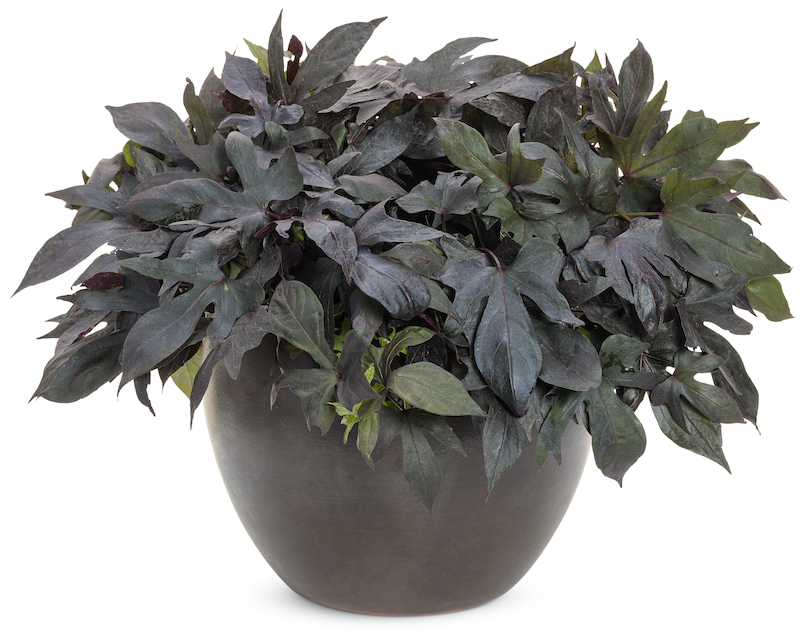
5. Sweet Potato Vine
Ornamental sweet potato vines are among the most vigorous spillers for garden planters.
Cultivars are available with chartreuse, green, bronze, purple, and nearly black foliage in a variety of leaf shapes.
Their vigorous stems can trail several feet during a growing season. Trim them as needed to prevent them from overwhelming neighboring plants or spreading into walkways.
Sweet potato vine is a tender perennial that is commonly grown as an annual in colder climates.
Growing Sweet Potato Vines In Pots
6. Petunias
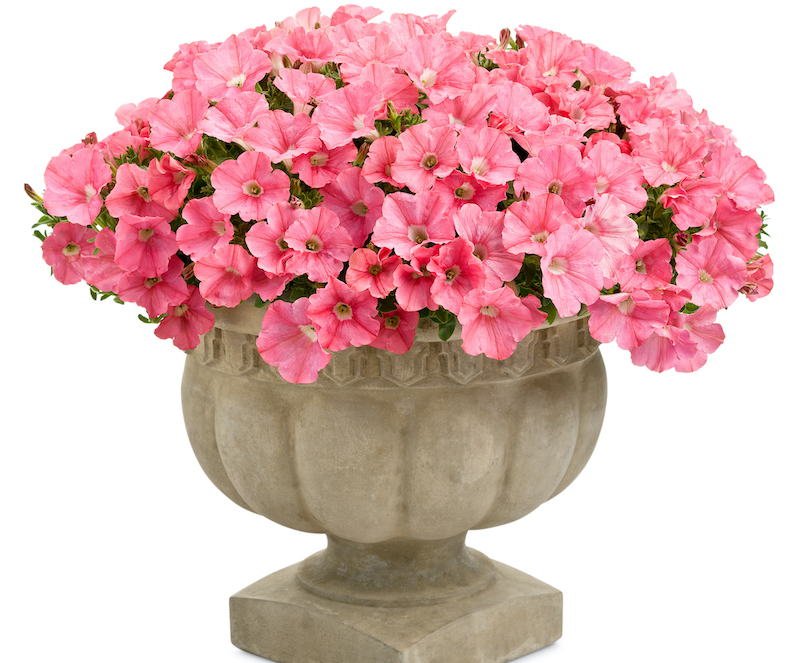
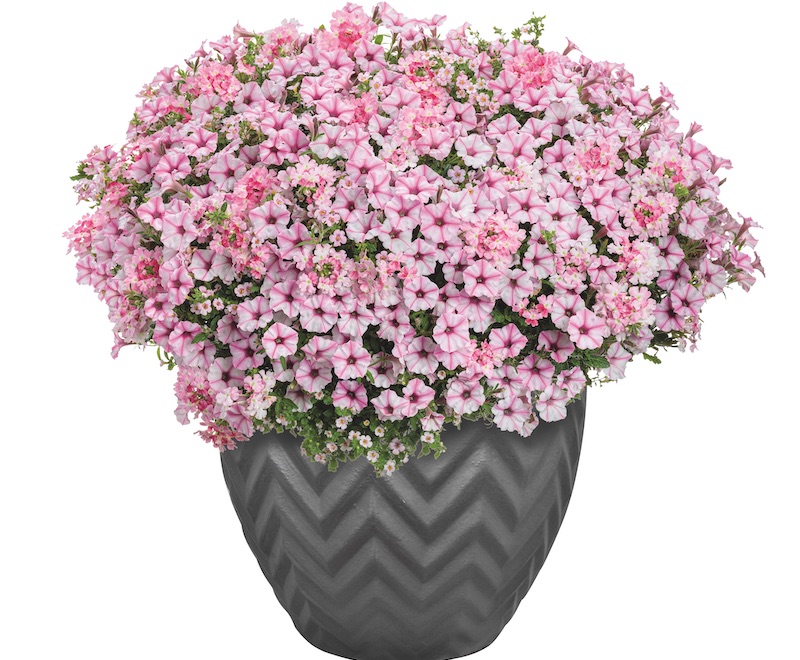
Petunias are among the most dependable flowering annuals for sunny containers and hanging baskets.
Growth habits vary from compact mounding plants to vigorous trailing types. Modern cultivars such as Supertunias can spread significantly and flower heavily throughout the growing season when given adequate sun, water, and nutrients.
Vigorous trailing types may need occasional pruning if stems become excessively long or begin crowding neighboring plants.
7. Verbena
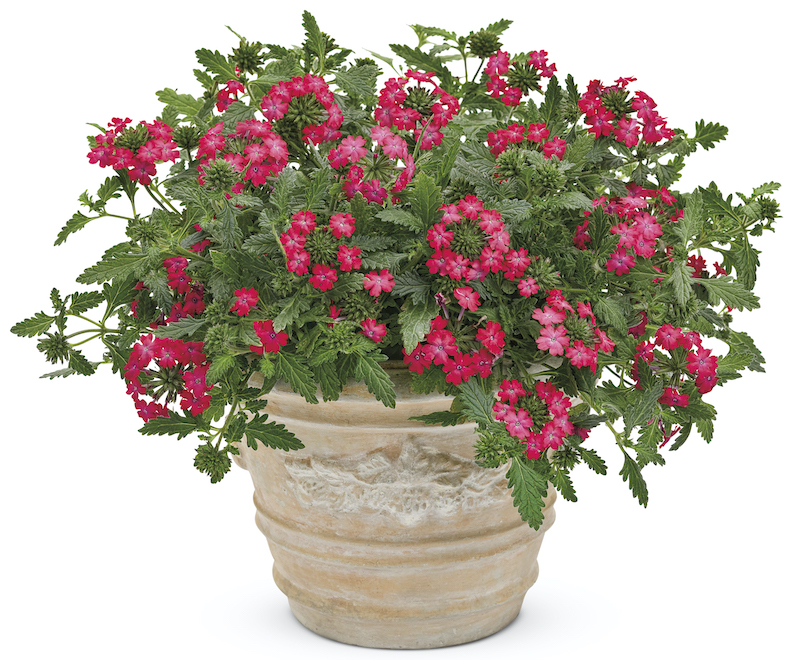
Verbena produces clusters of small flowers that combine into colorful rounded flower heads.
Trailing and mounding varieties are excellent near the edge of containers, where stems can spill naturally over the sides.
Most flowering verbenas perform best with abundant sunlight and well-drained growing conditions. They generally tolerate short dry periods better than constantly saturated soil.
8. Begonias
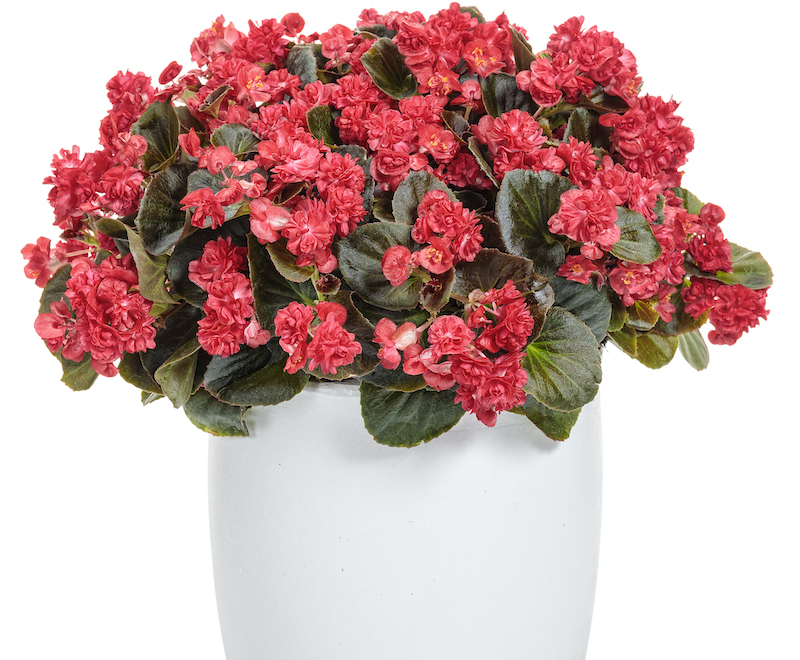
Begonias are tender perennials commonly grown as annuals and are especially valuable for containers with partial shade.
The group is extremely diverse. Wax begonias, tuberous begonias, angel-wing types, and modern hybrids differ in mature size, foliage, flower form, and sun tolerance.
Some begonias prefer shade, while certain modern varieties tolerate substantially more sun. Check the light requirements of the specific cultivar rather than treating all begonias the same.
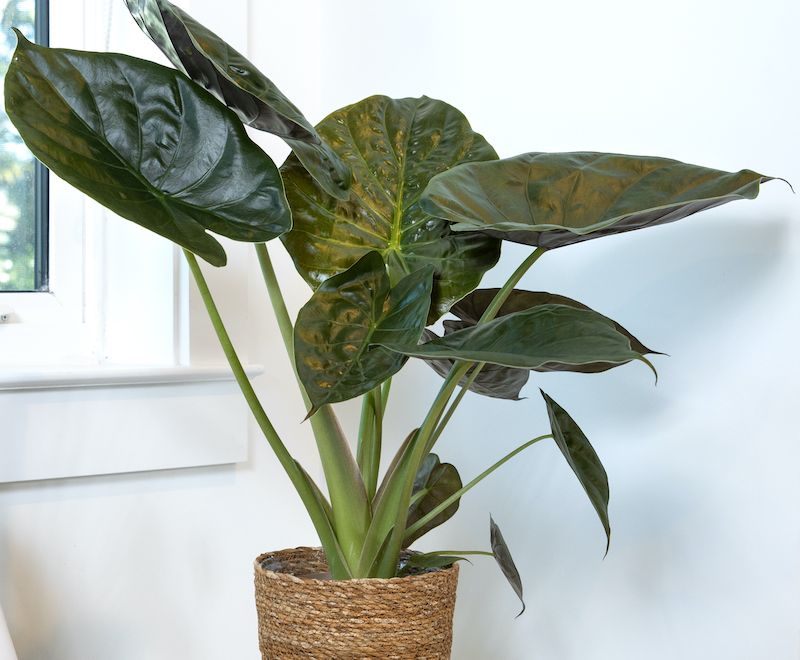
9. Elephant Ears
Elephant ears create dramatic tropical containers with oversized foliage and bold texture.
The common name includes plants in genera such as Colocasia and Alocasia, and their growing requirements can differ. Some prefer consistently moist conditions, while others need excellent drainage and should not remain waterlogged.
Elephant ears are tropical or subtropical perennials but are commonly grown as annuals where winters are too cold for them to survive outdoors.
Their large leaves can catch wind, so use a substantial, stable container and place very large varieties where they are less likely to be damaged by strong gusts.
10. Bacopa
Bacopa is a trailing plant covered in small flowers that works especially well as a spiller in containers and hanging baskets.
Flower colors commonly include white, pink, lavender, and blue-purple shades depending on the cultivar.
Bacopa performs best when moisture remains relatively consistent. Repeatedly allowing the planter to dry severely can reduce flowering and cause plant stress.
Its soft trailing growth combines well with upright or mounding plants that prefer similar sunlight and moisture.
Best Annuals For Planters By Use
For Full Sun
Petunias, verbena, citronella-scented geraniums, and many sweet potato vines.
For Shade
Traditional impatiens and many begonias perform well with protection from intense sun.
For Trailing Growth
Sweet potato vine, petunia, verbena, and bacopa make excellent spillers.
For Dramatic Height
Elephant ears, dracaena spikes, and taller snapdragons can serve as thrillers.
Watering Annuals In Planters
Containers can dry much faster than garden soil, especially during hot, sunny, or windy weather.
Check the potting mix frequently and water according to the needs of the plants rather than following a fixed schedule.
Water thoroughly enough to moisten the root zone and allow excess water to drain through the bottom of the planter.
For more detail, see Watering Plants In Containers .
Fertilizing Annuals In Containers
Fast-growing flowering annuals often benefit from supplemental fertilizer because repeated watering gradually carries nutrients out of the container.
Check whether the potting mix already contains fertilizer before adding more, and follow the label directions for the product and plants being grown.
Vigorous flowering plants such as petunias may need more regular feeding than slower-growing foliage plants.
Learn more in Fertilizing Plants In Containers .
Make Sure The Planter Drains
Even moisture-loving annuals generally need oxygen around their roots and should not remain in continuously waterlogged potting mix.
Use a planter with drainage holes and quality container potting mix. Do not rely on rocks or gravel beneath the potting mix to create drainage.
See our Ultimate Guide To Drainage For Potted Plants for more information.
More Container Plant Guides
Sources
- Illinois Extension — Container Gardens
- Illinois Extension — Annual Flowers
- University of Minnesota Extension — Growing Annual Flowers
- University of Minnesota Extension — Annual Flowers For Shade
- North Carolina Extension — Snapdragon
- North Carolina Extension — Scented Geranium