There is no single best material for every garden planter. The right choice depends on where the container will be used, how often you want to water, whether the planter needs to be moved, the size of the plant, winter conditions, your preferred style, and your budget.
Terra-cotta may be ideal for a plant that prefers fast-drying soil, while resin or fiberglass can be easier to move. Heavy concrete or stone can provide excellent stability for a large shrub or small tree, while glazed ceramic offers color and moisture retention. Understanding the strengths and limitations of each material makes it much easier to choose the right planter.
Quick planter material guide
- Easy to move: Plastic, resin, and fiberglass
- Best stability: Concrete, stone, heavy ceramic, and substantial wood planters
- Slower moisture loss: Plastic, resin, fiberglass, and glazed ceramic
- Faster drying: Unglazed terra-cotta, coir, fabric, and other porous materials
- Traditional natural look: Terra-cotta, wood, and stone
- Modern look: Fiberglass, resin, metal, and glazed ceramic
- Cold-climate durability: Depends on the specific product—not just the material—so check whether the planter is rated for freeze-thaw conditions.
What Makes A Good Garden Planter Material?
Container material affects more than appearance. Illinois Extension notes that material can influence moisture loss, root-zone temperature, weight, durability, and how much maintenance a container requires.
Before choosing a planter, consider:
Weight
Will you need to move the planter or protect it during winter?
Moisture
Porous materials usually lose water faster than nonporous materials.
Temperature
Metal and dark-colored containers can become hot in direct summer sun.
Durability
Weather, sunlight, moisture, and freeze-thaw cycles affect materials differently.
Garden Planter Materials Compared
Rather than ranking one material as the absolute winner, this comparison shows where each option tends to perform best.
| Material | Weight | Moisture | Durability | Good For |
|---|---|---|---|---|
| Plastic / Resin | Light | Retains moisture | Good; varies by quality | Versatility and easy moving |
| Fiberglass | Light | Retains moisture | Generally good | Large decorative planters |
| Terra-Cotta | Medium to heavy | Dries faster | Can crack in freezing weather | Plants that prefer faster drying |
| Glazed Ceramic | Heavy | Retains moisture | Varies by product | Decorative displays |
| Metal | Varies | Retains moisture | Good; corrosion depends on metal and finish | Modern or industrial designs |
| Wood | Varies | Moderate | Depends heavily on wood species and construction | Natural landscapes and large boxes |
| Concrete / Stone | Very heavy | Moderate | Very durable | Permanent plantings and stability |
| Coir | Very light | Dries quickly | Limited lifespan | Hanging baskets and liners |
| Fiber / Pressed Paper | Very light | Dries relatively quickly | Temporary | Seed starting and temporary growing |
Plastic And Resin Planters
Plastic and resin are among the most versatile planter materials. They are generally lightweight, nonporous, affordable, and available in a very large range of shapes, sizes, textures, and colors.
Because plastic does not wick moisture through the sides like unglazed terra-cotta, potting mix generally dries more slowly.
Advantages
- Lightweight
- Usually affordable
- Slower moisture loss
- Many sizes and styles
- Easy to move
Considerations
- Light pots may tip with tall plants
- Quality and cold-weather durability vary
- Some plastics fade or become brittle with long UV exposure
- Dark colors can become hot in full sun
Illinois Extension notes that plastic, resin, and fiberglass planters are lighter than many alternatives. That is useful when moving plants, but the lower weight can make large or top-heavy plants less stable.
Fiberglass Planters
Fiberglass is popular for large decorative planters because it can provide the appearance of stone or other heavy materials without nearly as much weight.
Fiberglass is nonporous, so it does not wick moisture away from the potting mix. High-quality fiberglass planters can be durable outdoors, but weather resistance varies by construction, finish, and manufacturer.
Check the product's outdoor and freeze-thaw rating if the planter will remain outside through winter. Do not assume every fiberglass planter is equally resistant to extreme cold or prolonged UV exposure.
Fiberglass typically costs more than basic plastic or resin, particularly in large architectural sizes.
Terra-Cotta Planters
Traditional unglazed terra-cotta is made from fired clay and is porous. Moisture can move through the walls of the container, causing potting mix to dry more quickly than it would in plastic or glazed ceramic.
Penn State Extension notes that this porosity can be either an advantage or disadvantage. It can reduce the likelihood of constantly wet potting mix, but plants will generally require more frequent watering.
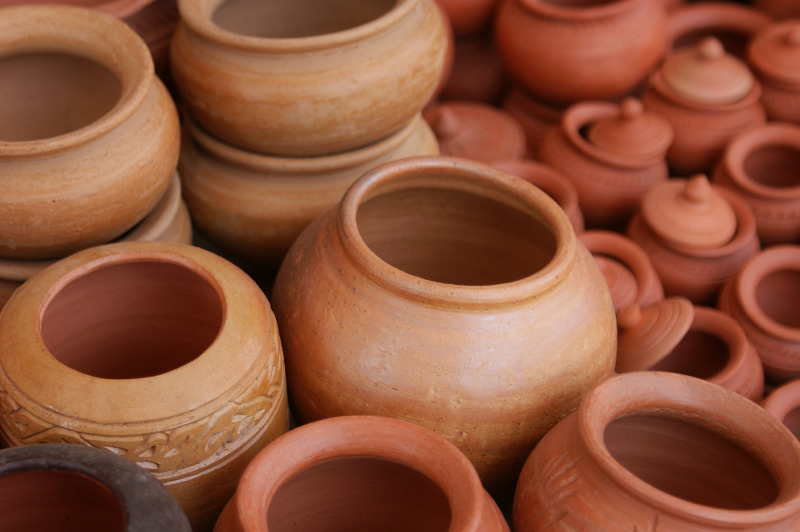
Winter caution: Water absorbed into porous clay can freeze and expand. Illinois Extension recommends protecting pottery from winter moisture because freeze-thaw cycles can crack the container.
Glazed Ceramic Planters
Glazed ceramic planters combine the weight and decorative appearance of pottery with a less porous surface.
The glaze generally reduces moisture loss through the planter walls, so potting mix tends to stay moist longer than it does in unglazed terra-cotta.
Ceramic containers can be heavy, especially after adding potting mix, plants, and water. That weight can make them difficult to move, but it also gives tall plants greater stability.
Winter durability varies substantially. Some ceramic products are specifically manufactured and rated for freeze-thaw exposure, while others can crack if water enters the material and freezes. Check the manufacturer's recommendations rather than assuming every ceramic planter must come indoors or every glazed pot can stay outside.
Metal Planters
Metal planters can create modern, industrial, farmhouse, or rustic looks depending on the material and finish.
Their biggest horticultural concern is temperature. Illinois Extension notes that temperatures fluctuate more in metal containers and that dark-colored pots absorb more heat in direct sun.
During intense summer weather, a metal planter can become hot enough to warm the root zone and increase moisture loss.
Corrosion resistance depends on the metal and coating. Galvanized steel is much more resistant to rust than untreated steel, but no finish should automatically be considered permanent under every exposure condition.
If a metal planter sits in intense afternoon sun, consider a lighter exterior color, an insulated inner liner, or placing a separate nursery pot inside the decorative planter.
Wood Planters
Wood provides a natural appearance and works especially well for planter boxes, large patio containers, raised planters, and cottage-style gardens.
Durability depends heavily on the wood species and construction. Illinois Extension recommends naturally decay-resistant woods such as cedar or redwood when possible.
Constant contact with moist potting mix can eventually cause untreated wood to decay. Liners can help protect the planter, provided they do not interfere with drainage.
Be more selective when growing edible plants. Do not assume every stained, painted, reclaimed, or chemically treated piece of wood is appropriate for food crops. Know what treatment or coating was used before planting vegetables or herbs.
Concrete And Stone Planters
Concrete and stone are excellent options when stability and long-term durability are priorities.
Penn State Extension notes that stone and concrete containers are durable and heavy, which helps prevent top-heavy plants from tipping in the wind.
The downside is the same weight. A large concrete planter can become extremely difficult to relocate after it is filled with potting mix and plants.
Decide on its location before planting whenever possible. On balconies, decks, rooftops, or other elevated surfaces, also make sure the structure can safely support the total loaded weight.
Coir Containers And Liners
Coir is made from coconut fiber and is commonly used as a liner for wire hanging baskets and occasionally as a biodegradable growing container.
Coir provides excellent airflow and drainage, but that also means the growing medium can dry quickly. It is particularly important to monitor coir-lined hanging baskets during hot or windy weather.
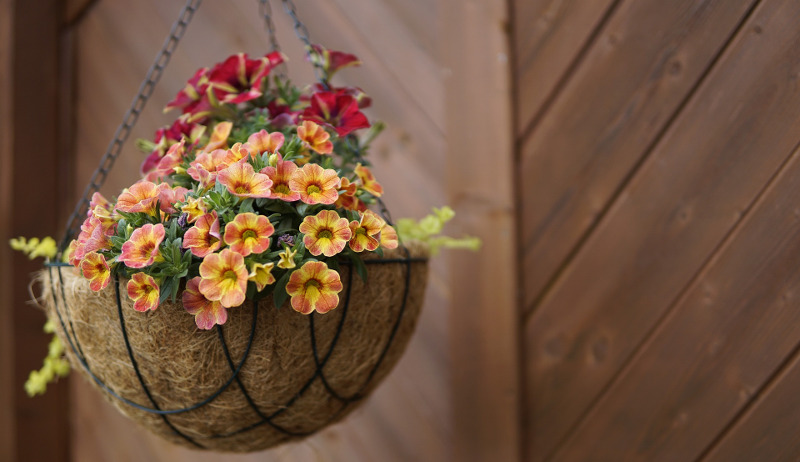
For biodegradable coir starter pots, follow the manufacturer's transplanting instructions. Some biodegradable containers break down slowly enough to restrict roots, so removing or opening the container at planting may be beneficial.
Pressed Fiber And Paper Pots
Fiber or pressed-paper pots are primarily intended for seed starting and temporary plant production rather than permanent decorative containers.
Their biggest advantages are low weight, low cost, and reduced need to disturb young roots at transplanting.
However, Penn State Extension cautions that some paper-based plant containers can break down slowly enough to restrict root growth after planting.
If the container remains firm at transplanting time, follow the manufacturer's instructions or remove enough of the pot to allow roots to grow freely into the surrounding soil.
Best Planter Material By Situation
For Easy Moving
Plastic, resin, and fiberglass keep large containers relatively lightweight.
For Tall Plants
Concrete, stone, heavy ceramic, or sturdy wood provide more stability.
For Dry-Loving Plants
Unglazed terra-cotta can help potting mix dry faster between waterings.
For Moisture Retention
Plastic, resin, fiberglass, and glazed ceramic lose less water through their walls.
For Hanging Baskets
Lightweight plastic baskets and coir-lined wire baskets are common choices.
For Permanent Displays
Concrete, stone, substantial fiberglass, and quality architectural planters work well where frequent moving is unnecessary.
Best Outdoor Planter Materials For Winter
Winter durability depends on more than the name of the material. The planter's construction, thickness, drainage, water absorption, and manufacturer rating all matter.
Porous pottery such as unglazed terra-cotta deserves particular caution because absorbed water can freeze, expand, and crack the container.
Concrete, stone, wood, metal, heavy plastic, resin, and fiberglass may all be suitable outdoors in cold climates, but individual products vary. A thin plastic pot can become brittle, improperly finished metal can corrode, wood can decay, and even concrete can be damaged by repeated freeze-thaw cycles if water enters cracks.
Best practice: If a planter will remain outdoors in a freezing climate, look for a product specifically labeled or warranted for year-round outdoor use and freeze-thaw exposure. Keep drainage holes open so water cannot accumulate and freeze inside the container.
For more cold-weather guidance, see Winterizing Garden Planters .
Drainage Matters More Than Planter Material
No matter which material you choose, the planter still needs to handle water correctly.
Penn State Extension states that containers need a way for excess water to drain so roots do not remain waterlogged. Illinois Extension likewise recommends drainage holes regardless of the material.
A beautiful planter made from an ideal material can still create problems if it traps water around the roots.
Learn more in our Container Drainage Guide .
Planter Color Also Affects Temperature
Material and color work together.
Illinois Extension notes that dark-colored containers exposed to intense summer sun absorb more heat than light-colored containers. That heat can transfer into the growing medium, increasing water loss and potentially damaging roots.
This is particularly important with metal and thin plastic containers in hot, sunny locations.
For more information, see Choosing Planter Colors .
So, What Is The Best Material For Garden Planters?
For most gardeners, the best material is the one that fits the location and how the planter will be used.
If you need something lightweight and easy to move, resin, plastic, or fiberglass are practical choices. If stability matters more, concrete, stone, ceramic, or sturdy wood may make more sense. Terra-cotta is excellent when faster drying is desirable, while glazed ceramic and nonporous synthetic materials help retain moisture longer.
Instead of choosing strictly by appearance, consider the plant's moisture needs, sun exposure, mature size, local climate, and whether you will need to move the container.
Sources
- Illinois Extension — Container Material Choices
- Illinois Extension — Helpful Tips for Creating a Successful Container Garden
- Penn State Extension — Repotting Houseplants
- Penn State Extension — Container Vegetable Gardening: Four Keys to Success
- University of Minnesota Extension — Container Gardening for Small Spaces