Plants do not need to be repotted simply because they have been in the same container for a certain amount of time. Some plants can stay in the same pot for years, while fast-growing plants may outgrow a container much sooner.
The best way to decide whether a plant needs repotting is to look at the roots, how quickly the potting mix dries, and whether the container still provides enough room and stability for healthy growth.
Common signs a plant may need repotting
- Roots are growing through the drainage holes.
- Roots are circling tightly around the root ball.
- There is very little potting mix left compared with the amount of roots.
- The potting mix dries much faster than it used to.
- The plant wilts between normal waterings.
- The plant has become top-heavy or tips over easily.
- Growth has slowed even though light, water, and nutrition are appropriate.
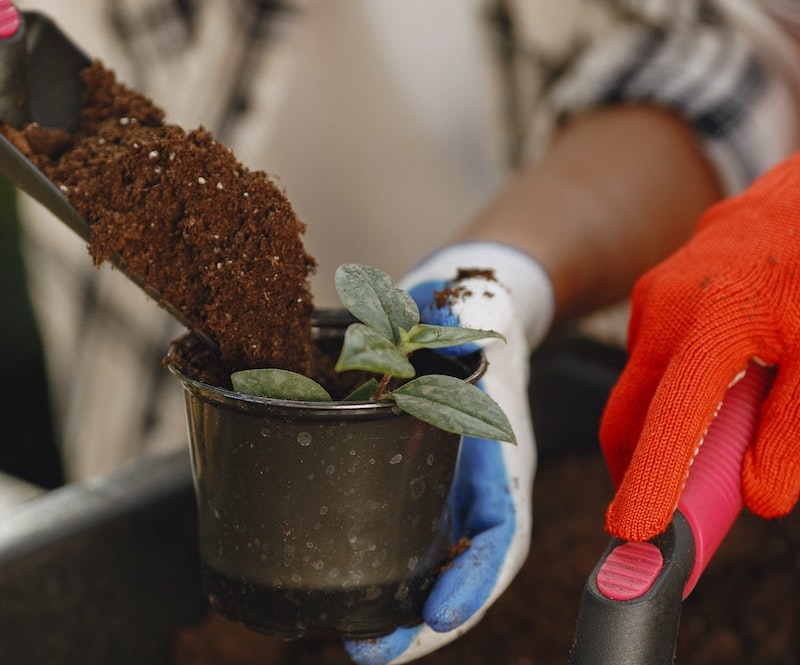
Signs A Plant Needs Repotting
The clearest signs of a root-bound plant involve the root system itself. Illinois Extension lists roots growing through drainage holes, roots appearing at the soil surface, a root ball that is mostly roots, smaller-than-normal new leaves, and wilting between normal waterings as common indicators that repotting may be needed.
Penn State Extension also recommends checking whether the potting mix is drying unusually quickly and whether growth has slowed despite otherwise appropriate care.
Roots Escape The Pot
Roots may grow through drainage holes or appear across the soil surface.
Pot Dries Very Quickly
When roots occupy most of the container, there is less potting mix available to hold moisture.
Dense Root Ball
Circling or tightly packed roots are a stronger indicator than plant size alone.
Plant Becomes Unstable
A large top compared with a small root zone can make the plant easy to tip over.
Symptoms That Do Not Automatically Mean Repotting Is Needed
Some common plant problems can look like a root-bound plant but may have completely different causes.
Slowed growth, fewer flowers, yellow leaves, wilting, or generally poor appearance can also result from:
- Too much or too little water
- Inadequate light
- Excessive heat or cold
- Nutrient deficiencies or excess fertilizer
- Pests or disease
- Old or poorly draining potting mix
Check the roots before moving up a pot size. If you suspect the plant is root-bound, gently slide it out of the container and inspect the root ball. Dense circling roots or a root mass with very little visible potting mix are much stronger evidence that the plant needs more space.
What Does A Root-Bound Plant Look Like?
A root-bound or pot-bound plant has roots that have filled most of the available container space.
When you remove the plant from the pot, you may see:
- Roots circling around the outside of the root ball
- A dense mat of roots at the bottom
- Very little loose potting mix
- Roots forming the shape of the container
- A root ball that slides out almost completely intact
Some plants tolerate being somewhat root-bound better than others, so a few visible roots do not necessarily mean the plant must be repotted immediately.
When Is The Best Time To Repot?
For many houseplants, spring or early summer is an ideal time because the plant is entering a period of active growth and can establish roots in the fresh potting mix more quickly.
Illinois Extension recommends repotting while the plant is actively growing, typically in spring or early summer. Penn State also identifies spring as an ideal time for most houseplants.
That said, a severely root-bound, waterlogged, or unhealthy plant does not always need to wait for spring. Correcting a serious root or drainage problem may be more important than waiting for the ideal season.
Choosing The Right Size Of Planter
When moving a plant into a larger container, avoid making a dramatic jump in pot size.
For many houseplants, moving up approximately 1 to 2 inches in diameter is a good starting point. Penn State recommends choosing a container only slightly larger than the current one, while Illinois Extension commonly recommends a pot about 2 inches larger in diameter.
University of Minnesota Extension also advises against moving houseplants into excessively large containers because the additional potting mix can stay wet too long and contribute to root problems.
For more help choosing the next container, see Choosing Planter Sizes .
Why Not Use A Much Larger Pot?
A much larger container holds considerably more potting mix around a relatively small root system.
That extra mix can remain moist for longer than the plant needs, especially indoors or under cool, low-light conditions. Constantly wet potting mix reduces air around the roots and can increase the risk of root decline.
The issue is not that the plant will "waste energy filling the pot with roots." The more important concern is managing moisture correctly in the larger volume of growing media.
How To Prepare A Plant For Repotting
Water the plant before repotting so the root ball is hydrated and easier to work with. Penn State recommends watering about an hour before repotting.
Have the new planter and fresh potting mix ready before removing the plant from its current container.
The new planter should have drainage holes so excess water can escape.
Should You Remove The Old Potting Mix?
You generally do not need to remove all of the old potting mix from a healthy plant.
Gently remove loose material from around the outside of the root ball and replace it with fresh mix as you repot. Avoid aggressively rinsing healthy roots unless there is a specific reason to remove the old medium, such as serious root rot, a pest problem, or badly degraded potting mix.
Removing every bit of old mix can damage fine feeder roots and create unnecessary transplant stress.
If the old potting mix is still healthy and free of pests or disease, some of it can remain attached to the root ball.
For more information about old growing media, see Can You Reuse Potting Soil? .
Should You Loosen Roots When Repotting?
If roots are only lightly filling the container, very little disturbance may be necessary.
If they are tightly circling or matted, gently loosen them with your fingers before placing the plant in the new pot. Illinois Extension and Penn State both recommend unwinding, teasing apart, or cutting tightly circling roots so they can grow outward into the fresh potting mix.
For severely root-bound plants, a clean, sharp knife or pruning tool can be used to make shallow cuts through the dense outer root mat.
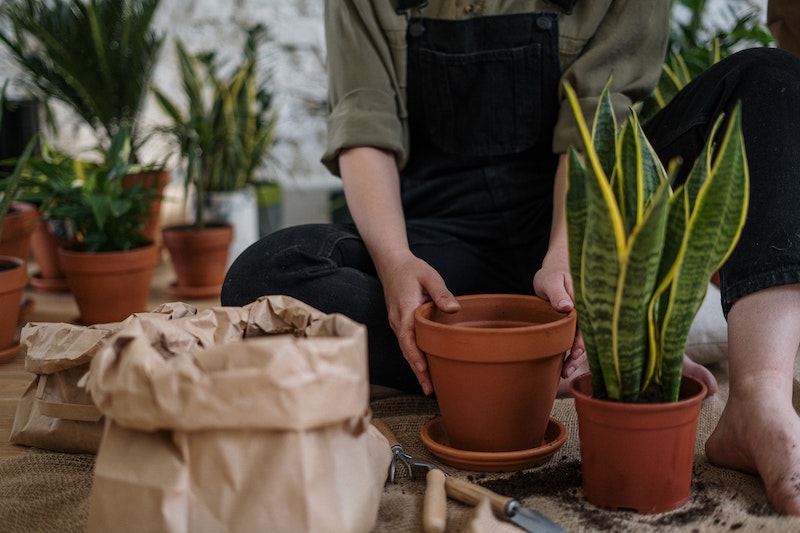
How To Repot A Plant
- Water the plant before repotting.
- Choose a slightly larger container with drainage holes.
- Add enough fresh potting mix to the bottom so the plant will sit at approximately the same depth as before.
- Gently remove the plant from its old container.
- Inspect the roots and loosen tightly circling roots if necessary.
- Place the root ball in the new planter.
- Fill around the root ball with fresh potting mix without burying the plant more deeply than it was previously growing.
- Leave some space below the rim to make watering easier.
- Water thoroughly and allow excess water to drain.
Keep The Plant At The Same Planting Depth
Most houseplants should be replanted at approximately the same depth they were growing previously.
Do not bury stems or crowns under additional potting mix unless the particular plant is known to tolerate or benefit from deeper planting.
Penn State and Illinois Extension both recommend maintaining approximately the same planting depth when moving a houseplant into a new container.
What To Do After Repotting
Water thoroughly after repotting so the fresh growing medium settles around the root ball.
Allow excess water to drain and return the plant to appropriate light for its species.
Some plants may temporarily wilt or slow their growth after their roots have been disturbed. Avoid repeatedly moving, fertilizing heavily, or otherwise stressing the plant while it becomes established in the new container.
What If You Do Not Want The Plant To Get Bigger?
A root-bound plant does not always have to move into a larger container.
If you want to maintain approximately the same plant size, some plants can be removed from the pot, root-pruned, and returned to the same container with fresh potting mix.
Penn State notes that root pruning and reducing some top growth can be used when you want to keep a plant at approximately its existing size rather than encouraging additional growth.
This technique is best suited to healthy plants that tolerate root pruning. Do not remove large amounts of roots from plants that are already weak or stressed.
Sometimes A Plant Needs Fresh Soil, Not A Bigger Pot
Not every struggling plant needs a larger container.
Potting mix can break down over time, become compacted, accumulate fertilizer salts, or lose some of its ability to manage water and air effectively.
University of Minnesota Extension notes that some plants may benefit from fresh potting mix even when they do not need to move into a larger container.
If the root system still fits comfortably but the potting mix is old, refreshing some or all of the growing medium may be enough.
What If You Just Want A Different-Looking Planter?
You do not have to repot a healthy plant just because you want a different decorative container.
Instead, use the new container as a cachepot. Leave the plant in its existing nursery or growing pot and place that pot inside the decorative planter.
Penn State specifically recommends cachepots as a decorative option when the outer planter does not have drainage holes.
Remove the inner pot when watering or make sure any excess water is emptied from the decorative container afterward.
For more information, see Growing Plants In Containers Without Drainage .
Repotting Checklist
- Check the roots instead of judging only by the size of the foliage.
- Look for dense circling roots or roots escaping through drainage holes.
- Notice whether the potting mix is drying much faster than it used to.
- Move up only modestly in container size for most houseplants.
- Use fresh, well-draining potting mix.
- Keep the plant at approximately the same planting depth.
- Loosen tightly circling roots when necessary.
- Water thoroughly after repotting and allow excess water to drain.
Sources
- Penn State Extension — Repotting Houseplants
- Illinois Extension — Repotting
- Illinois Extension — Tips for Repotting Houseplants
- University of Minnesota Extension — Spring Houseplant Care
- University of Minnesota Extension — Winter Houseplant Tips