Yes, you can often reuse potting soil—or more accurately, potting mix—from year to year. The key is knowing what grew in it, whether the previous plants were healthy, and whether the mix still drains and holds moisture properly.
Potting mix gradually breaks down as organic ingredients decompose, roots fill the container, nutrients are removed, and repeated watering changes the structure of the mix. Healthy used potting mix may simply need refreshing, while mix associated with serious disease or poor drainage is usually better replaced.
Can old potting soil be reused?
- Yes: If the previous plants were healthy and the mix still has good structure.
- Refresh it: Remove old roots and mix in fresh potting mix as needed.
- Replace it: If it is badly compacted, decomposed, waterlogged, or associated with serious soilborne disease.
- Do not use it for seed starting: Young seedlings are more vulnerable to damping-off and other diseases.
- Do not assume it needs fertilizer: Check the fresh amendments or potting mix you add first.
- Old mix that is no longer suitable for containers can often be added to garden beds or compost.
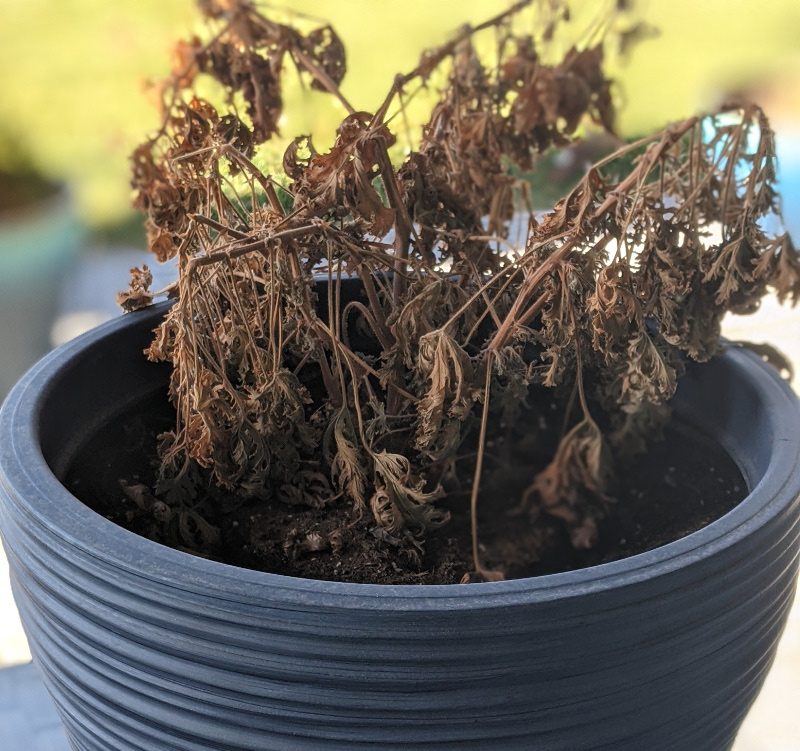
What To Do With Old Potting Soil
Used potting mix does not automatically need to go in the trash. If the previous plants were healthy, there are several practical ways to reuse it.
Reuse It In Containers
Refresh healthy mix with new potting mix or other appropriate amendments before replanting.
Add It To Garden Beds
Work small amounts of healthy old mix into ornamental or vegetable garden soil.
Add It To Compost
Used potting mix can be incorporated into a compost pile along with normal compost ingredients.
Old potting mix can also be used when potting divisions or temporary plants, provided it came from healthy plants and still has reasonable structure.
Avoid using potting mix as foundation grading material. Correct drainage around a house with the appropriate mineral soil and grading method rather than lightweight container mix.
Risks Of Reusing Potting Soil
Reusing potting mix is most successful when you evaluate its condition rather than automatically using it year after year.
Disease & Pests
Soilborne pathogens, insect pests, weed seeds, or nematodes can sometimes remain in used media.
Breakdown
Bark, peat, coir, and other organic materials gradually decompose and lose pore space.
Nutrients
Previously added fertilizer may be depleted, but nutrient levels cannot be judged simply by the age of the mix.
Salt Buildup
Fertilizer and irrigation water can leave soluble salts behind over time.
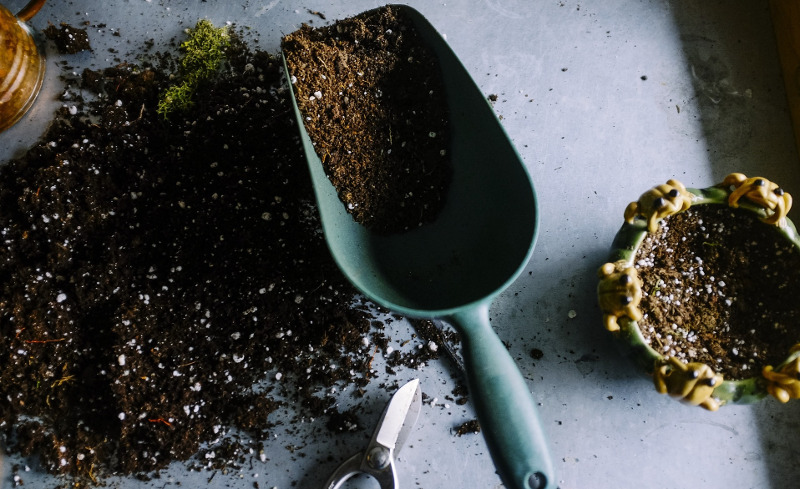
How Long Does Potting Soil Last?
There is no universal one-year expiration date for potting mix.
Illinois Extension notes that soilless container media can be reused from year to year when previous plants were healthy. Eventually, however, the organic ingredients break down enough that the mix loses the drainage and aeration properties that made it suitable for containers.
Replace or heavily refresh potting mix when it:
- Has become dense or badly compacted
- Drains much more slowly than it used to
- Has decomposed into a fine, heavy texture
- Has a persistent salt crust
- Was associated with serious root disease
- Has become difficult to rewet or no longer holds moisture appropriately
What Is The White Crust On Old Potting Mix?
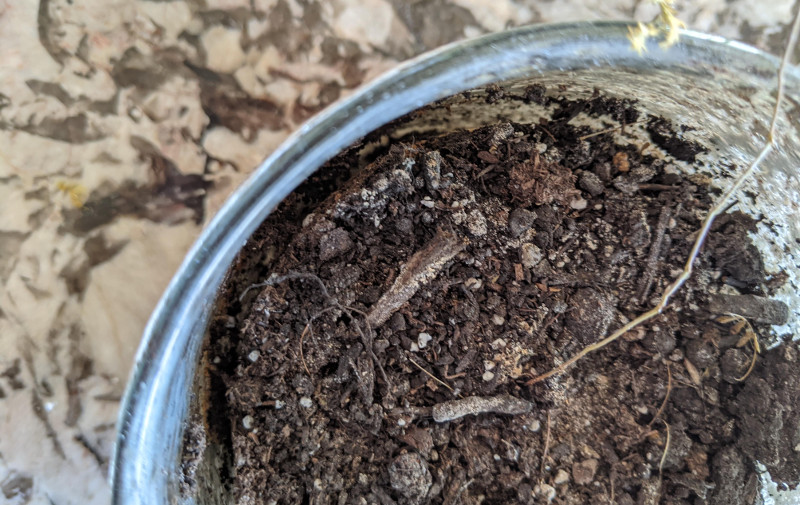
A white or pale crust on the surface of potting mix can be a buildup of soluble salts from fertilizer or irrigation water.
If the buildup is minor and the container drains well, remove the crusted surface material and thoroughly flush the potting mix with water so excess salts can leave through the drainage holes.
If salt buildup repeatedly returns, review your fertilizer rate and the mineral content of the irrigation water.
Do You Need To Replace Potting Soil Every Year?
No. Healthy potting mix with good structure can often be reused.
The important question is whether the mix still provides enough air space, drainage, and moisture retention for healthy roots.
When old mix becomes dense or badly degraded, adding a small amount of fertilizer will not correct the physical problem. At that point, replace part or all of the mix.
How To Reuse Potting Soil
If the plants were healthy and the old mix still has reasonable structure, refreshing it is usually straightforward.
Step 1: Remove The Old Plant
Pull out the previous plant and remove large roots, stems, labels, stakes, and other debris. Small fine roots can remain if the previous plant was healthy; they will eventually decompose.
Step 2: Check The Condition Of The Mix
Squeeze and crumble some of the mix in your hand. If it is loose and fibrous with visible pore space, much of it may still be usable. If it has become dense, muddy, extremely fine, or slow-draining, replace a larger portion.
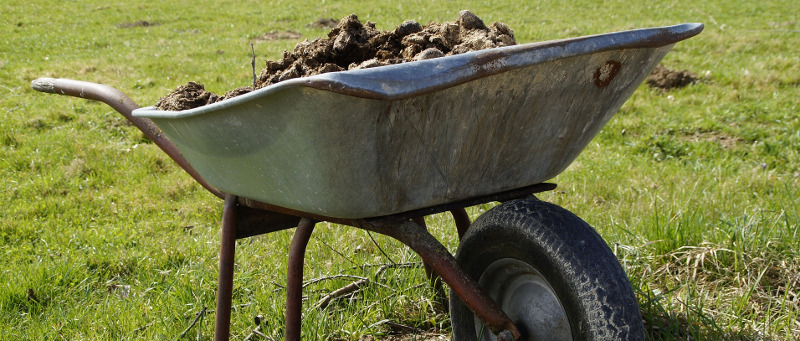
Step 3: Mix In Fresh Potting Mix
Add enough fresh container mix to restore volume, structure, and drainage.
There is no requirement that the blend be exactly 50% old and 50% new. A relatively fresh mix may need only a modest amount added, while heavily degraded media may be better replaced almost entirely.
Step 4: Add Compost Carefully If Appropriate
Finished compost can be used as part of some container mixes, but adding large amounts can make a potting mix heavier and reduce drainage. Use it as an amendment rather than replacing most of the lightweight container media.
Step 5: Fertilize Based On The New Plant
Do not automatically add fertilizer simply because the mix is old. Fresh potting mix or compost may already contain nutrients. Check the product labels and fertilize according to the needs of the plant you are growing.
Do You Need To Sterilize Old Potting Soil?
Healthy used potting mix does not need to be routinely baked, microwaved, solarized, or otherwise sterilized before every reuse.
More importantly, home treatment is not a guarantee that contaminated potting mix will become safe. Temperature can be difficult to control evenly, and some pathogens or pests may survive.
If the previous plant had a serious soilborne disease, severe root rot, or an unidentified recurring pest problem, replacing the mix is generally the safer option.
Freezing is not a reliable sterilization method. Many plant pathogens, weed seeds, insects, and eggs naturally survive winter temperatures.
Should You Reuse Potting Mix For Starting Seeds?
New seed-starting mix is the safer choice for seedlings.
Young seedlings are especially vulnerable to damping-off diseases. University of Minnesota Extension recommends using new potting mix for seed-starting trays rather than reusing old container media.
Clean previously used pots and seed trays before reuse as well.
Can You Reuse Potting Soil From A Diseased Plant?
This depends on what happened to the plant, but when a serious soilborne disease is suspected, replacing the mix is usually the safest approach.
Do not assume every dead plant had a disease. Drought, overwatering, fertilizer injury, cold damage, poor drainage, and other environmental problems can also kill container plants.
If the cause is unknown and the roots were badly rotted or the problem repeatedly affected plants in the same container, fresh potting mix reduces the risk of carrying the problem into the next planting.
Clean the container before replanting.
Can You Reuse Soil After Root Rot?
Root rot can result from poor drainage, chronic overwatering, disease organisms, or a combination of these factors.
If a plant had significant root rot, it is generally better to discard the old potting mix from that container and correct the underlying drainage or watering problem before planting again.
See our Ultimate Guide To Drainage For Potted Plants for more information.
Refreshing Soil Around Plants That Stay In Their Pots
Shrubs, trees, houseplants, and hardy perennials may stay in the same container for several years.
You cannot simply empty all of the potting mix every spring without disturbing the root system. Instead, monitor the plant and container for signs that repotting or refreshing is necessary.
Depending on the plant, you may be able to remove some loose mix from the surface and replace it with fresh potting mix. Eventually, a root-bound plant may need to be removed, inspected, and repotted.
Simply stirring or aggressively “fluffing” potting mix around an established root system can damage fine roots and is not necessary.
Learn more in How To Tell If A Plant Needs Repotted .
Is Moldy Potting Mix Safe To Use?
A small amount of harmless surface fungal growth does not automatically mean potting mix is dangerous or unusable.
Fungi naturally break down organic material, and white fungal growth can sometimes appear when potting mix remains moist.
However, persistent mold accompanied by a sour smell, excessively wet conditions, declining plants, or rotting roots is a reason to investigate drainage and watering.
If unopened bagged mix smells strongly sour or rotten, has been saturated for a prolonged period, or has significantly deteriorated, replacing it may be simpler than trying to rehabilitate it.
Should You Add Coffee Grounds To Potting Soil?
Coffee grounds are better suited to compost than to routine direct application in containers.
Used coffee grounds contain some nutrients and organic matter, but they are not a complete fertilizer. Large amounts can create problems with moisture movement and may temporarily tie up nitrogen while microorganisms decompose them.
Used coffee grounds are also not strongly acidic. After brewing, their pH is generally close to neutral, so they should not be relied on to significantly lower soil pH for blueberries, rhododendrons, gardenias, or other acid-loving plants.
Adding coffee grounds to a balanced compost pile is a more predictable way to reuse them.
Can You Reuse Potting Soil For Vegetables?
Yes, healthy used container mix can often be reused for vegetables.
Refresh the mix as needed, make sure it drains well, and provide fertilizer appropriate for the crop.
For seed starting, however, use fresh seed-starting mix rather than old container soil.
Does Crop Rotation Help In Containers?
Rotating crops can be useful when soilborne pests or diseases are associated with particular plant families, but simply moving old potting mix from tomatoes to flowers does not restore nutrients or repair degraded structure.
Evaluate the potting mix itself and refresh or replace it when needed.
Can You Reuse Potting Soil With Roots In It?
Yes, if the previous plant was healthy.
Remove large root masses and woody material before reusing the mix. Small fine roots can remain and will gradually decompose.
If roots were black, soft, foul-smelling, or associated with serious disease, replacing the mix is safer.
Does Unused Potting Soil Expire?
Bagged potting mix does not suddenly become unusable on a specific date.
Over time, organic ingredients can break down, fertilizer charge can change, wetting agents may become less effective, and improperly stored bags can become saturated or contaminated.
Older unopened mix may still be usable if it smells normal and retains a loose, well-aerated texture. If necessary, blend it with fresh mix to restore structure.
A printed date on a bag may identify manufacturing or product information and should not automatically be interpreted as a universal expiration date.
How To Store Potting Soil
Store unused or reusable potting mix in a clean, dry location where it is protected from rain, pests, and contamination.
Good options include:
- The original bag, tightly closed
- A clean plastic storage tote with a lid
- A clean trash can with a secure lid
- Heavy-duty bags stored where they will remain dry
Avoid sealing soaking-wet potting mix in an airtight container for long-term storage. Let excess moisture dissipate first.
Common Questions About Reusing Potting Soil
Can I put old potting mix around trees and shrubs?
Small amounts of healthy used mix can be incorporated into surrounding garden soil, but do not pile it against trunks or bury the root flare.
Can I reuse potting soil from petunias for herbs?
Yes, if the petunias were healthy and the mix still has good drainage. Refresh it as needed before planting.
Should I throw away old potting soil?
Usually not. Healthy mix can often be reused, composted, or incorporated into garden beds. Follow local disposal rules if you need to discard it.
Can old potting soil be mixed with new potting soil?
Yes. Mixing healthy old media with fresh mix is one of the easiest ways to restore volume and structure. The ratio can be adjusted based on the condition of the old mix.
Can I reuse potting soil indefinitely?
No. Eventually the organic components break down enough that drainage and aeration decline. At that point, move the old mix to the garden or compost and refill the container with fresh media.
More Container Gardening Help
Sources
- Illinois Extension — Soil For Container Gardens
- Illinois Extension — Repotting Houseplants
- University of Minnesota Extension — How To Prevent Seedling Damping Off
- University of Minnesota Extension — Managing Plant Diseases In The Home Garden
- Oregon State University Extension — Coffee Grounds In The Garden

Written By
Co-Founder of Plant Addicts
Published November 20, 2020 | Updated October 5, 2026