The dogwood is a beautiful tree that can grow an array of colorful flowers during the springtime. The flowers are typically pink or white, depending on the specific type of dogwood. Luckily, these trees hold their shape pretty well independently, so maintenance pruning is fairly simple. Freeing overcrowded sections and removing dead branches will be enough to keep your tree healthy.
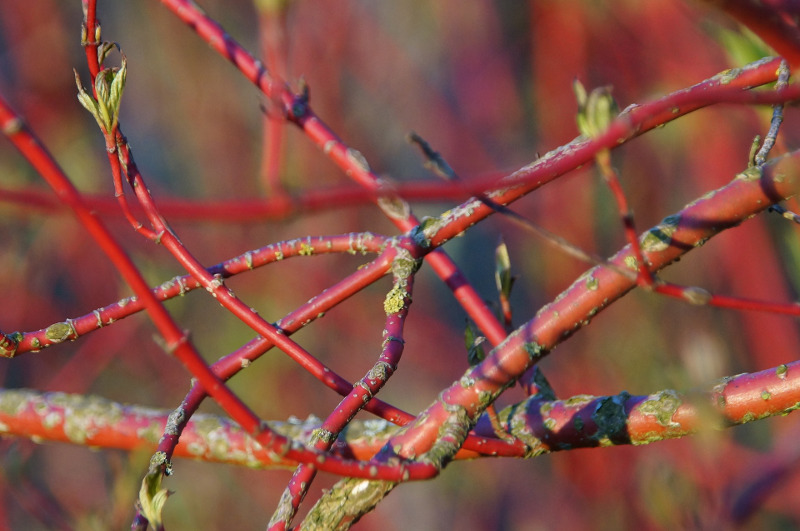
Shrub dogwoods, like red twig and yellow twig dogwood, are a different story. They are grown for their brightly colored winter stems, and they need regular, more aggressive pruning to keep that color coming. Before you pick up your pruners, make sure you know which kind of dogwood you have.
The quick answer:
Dogwood trees (flowering and Kousa dogwood) need only light pruning. Remove dead, damaged and crossing branches in late winter while the tree is dormant. If you need to shape the tree or control its size, prune right after it finishes blooming. Avoid pruning in summer, when dogwood borers are active.
Dogwood shrubs (red twig and yellow twig dogwood) should be pruned in late winter or early spring before they leaf out. Each year, cut about one-third of the oldest, dullest stems to the ground, or cut the whole shrub back to 6 to 10 inches every few years.
All dogwoods belong to the genus Cornus, but tree dogwoods and shrub dogwoods are pruned for completely different reasons. You prune a dogwood tree lightly to keep it healthy and well shaped. You prune a shrub dogwood hard to force new, colorful stems.
Late winter for cleanup; right after bloom for shaping
Colorful-stem dogwood shrubs
Red twig or redosier dogwood (C. sericea), Tatarian dogwood (C. alba), bloodtwig dogwood (C. sanguinea), yellow twig cultivars
Hard pruning to renew bright winter stems
Late winter to early spring, before leaves emerge
When To Prune Dogwood Trees
Flowering dogwoods set next year’s flower buds in summer and fall, so any branch you remove between fall and spring takes some of next spring’s flowers with it. That doesn’t mean you should never prune in winter. It just means you should match your timing to what you’re trying to do.
Timing
Good For
Trade-Off
Late winter (dormant)
Removing dead, damaged, diseased and crossing branches; light thinning. Bare branches are easy to see, and borers aren’t active.
You’ll lose the flower buds on any branches you cut.
Right after flowering
Shaping and controlling size while keeping next year’s flowers
Overlaps with the start of dogwood borer season, so keep cuts small and only prune healthy, well-watered trees.
Flower buds are already set, so shaping cuts remove next spring’s blooms.
Avoid pruning later in the season when your tree is actively growing. This is because dogwoods are vulnerable to the dogwood borer, a clearwing moth found in the eastern parts of the United States. The adult moths are active from late spring through summer and lay their eggs near fresh wounds, so pruning cuts make an easy entry point for the larvae. Some signs that a dogwood borer is damaging your tree include discovering areas of bark that appear damp or discolored, loose bark, sawdust-like frass around holes, and branches that are dying suddenly.
Kousa dogwoods bloom about a month later than flowering dogwoods, in late spring to early summer, so their after-bloom pruning window comes later too.
Why Prune Dogwoods
You should prune your dogwood tree to prevent insect infestation and fungal diseases from attacking it. Damaged and dead branches should be pruned as soon as you notice them because these also provide an easy way for insects to harm your tree. Furthermore, if you see two branches cross and rub against each other, that can create a weak spot that will facilitate the growth of diseases. In this case, get rid of the least attractive branch.
Thinning a few crowded branches also lets more light and air into the canopy. Better airflow helps leaves dry faster after rain, which reduces leaf diseases like anthracnose and powdery mildew.
Crossing branches rub away bark and create wounds where disease and borers can enter. Remove the weaker or less attractive branch.
Tools For Pruning Dogwoods
Clean, sharp tools make smooth cuts that heal quickly. Choose the tool based on the thickness of the branch:
Bypass hand pruners for twigs and stems up to about 1/2 inch thick
Loppers for branches up to about 1 1/2 inches thick and for reaching into dense shrub dogwoods
A pruning saw for anything thicker
Disinfect your blades before you start and between plants, especially when removing diseased wood. Wipe them with 70% rubbing alcohol, or soak them in a solution of one part household bleach to nine parts water. Rinse and oil tools after using bleach, since it corrodes metal.
How To Prune Dogwood Trees
We recommend checking your dogwood tree every year, but most years it will only need a few cuts. Work through these steps in order, and step back often to look at the shape of the whole tree.
Eliminate deadwood. Prune all of the dead branches as these not only ruin the aesthetic of your dogwood but may also cause harm. Deadwood is a breeding ground for fungi that can spread into healthy wood and weaken your tree.
Remove infected branches. If an insect, like the dogwood borer, or a disease has damaged branches, it is crucial that you get rid of them. Cut back into healthy wood, and disinfect your pruners between cuts to prevent the accidental spread of infection. Dispose of the infected wood rather than leaving it nearby.
Remove crossing branches. Where two branches rub, remove the smaller or less attractive one.
Address overcrowding. You may notice that some sections of your dogwood are overcrowded with branches compared to other areas. To address this issue, pick the flimsiest branches and prune them from their point of growth. This will improve the overall appearance of your tree and also boost its air circulation.
Remove water sprouts and suckers. Cut off straight, vigorous shoots growing up from branches or sprouting from the base of the trunk.
Shape lightly. If a branch is too long or low, cut it back to a side branch or to the trunk, following the tree’s natural layered shape. Lower limbs that block a path can be removed to raise the canopy.
Flowering dogwood flower buds are round and button-shaped and sit at the tips of the branches. Leaf buds are slimmer and pointed. To keep as many flowers as possible, avoid cutting off branch tips that carry flower buds.
How to make the cut
Cut just outside the branch collar. The collar is the slightly swollen ring where a branch joins the trunk or a larger limb. Don’t cut flush against the trunk, and don’t leave a stub.
Use the three-cut method on larger limbs. Make an undercut a foot or so out from the trunk, then cut through from the top just beyond it to drop the weight. Finish with a clean cut just outside the collar. This keeps the bark from tearing down the trunk.
Skip the pruning paint. Dogwoods seal their own wounds, and sealers aren’t needed for healthy trees.
Don’t overdo it. Remove no more than about 20% of a dogwood tree’s canopy in a year. If a tree needs more work, spread it over two or three years.
Don’t top or cut a dogwood tree to the ground. Cutting the top off a dogwood ruins its natural layered shape and triggers a flush of weak, upright sprouts. Cutting a dogwood tree to the ground is also not recommended. Many named flowering and Kousa dogwoods are grafted, so any regrowth may come from the rootstock instead of the variety you planted. Hard rejuvenation pruning is meant for shrub dogwoods, not trees.
How To Prune Red Twig Dogwood And Other Shrub Dogwoods
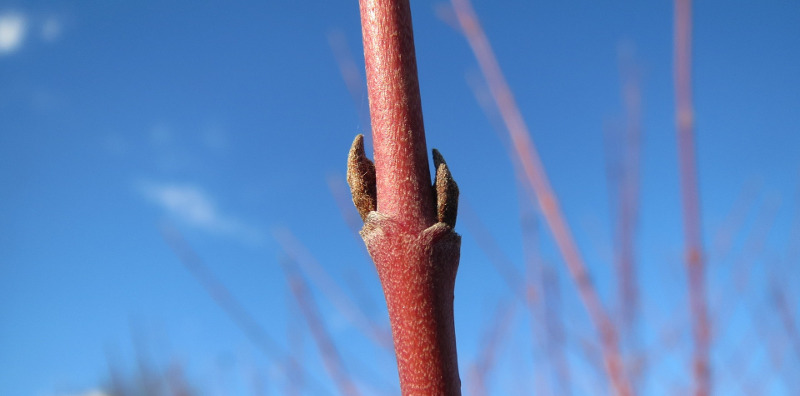
Shrub dogwoods are prized for their bright red, orange, yellow or coral winter stems. The best color is on young stems that are one to three years old. As stems age, they turn gray or brown and lose their color. Regular pruning removes these older stems and makes room for bright new ones.
Prune shrub dogwoods in late winter or early spring, before the buds break. Give newly planted shrubs two to three years to establish before you start cutting them hard.
Annual renewal pruning
Remove dead and damaged stems first, cutting them to the ground.
Cut about one-third of the oldest stems to the ground. Choose the thickest, dullest stems. Removing a third each year means no stem is more than about three years old.
Shorten remaining stems if needed. To control height, cut the stems you kept back by one-third to one-half, just above a pair of buds.
Rejuvenation pruning
If your dogwood shrub becomes overgrown or looks lifeless, you can cut the whole shrub back to approximately 6 to 10 inches above the ground in late winter. It will regrow quickly with a full crop of brightly colored stems by the following winter. Many gardeners use this method every two to three years instead of renewal pruning. Less vigorous types, like bloodtwig dogwood ‘Midwinter Fire’, don’t need it as often.
“I grew ‘Midwinter Fire’ dogwood in Seattle, and now I grow ‘Bud’s Yellow’ dogwood in Connecticut. In early spring, I cut the oldest, dull-colored canes to the ground to push new growth of bright stems. Regular pruning makes such a difference in keeping the winter display bright.”
Want more shrubs for your garden? Red twig dogwoods are easy to start from cuttings. See our guide to propagating red twig dogwoods.
When Not To Prune: Stressed Dogwood Trees
Pruning is not always the answer for a dogwood that looks unhealthy. Brown flowers, scorched or wilting leaves and thin growth are often signs of stress rather than branches that need to come off. Flowering dogwoods are naturally understory trees with shallow roots. They struggle with drought, heat, competition from lawn grass and wounds from mowers and string trimmers.
Pruning a stressed tree adds to that stress, so fix the growing conditions first. Remove grass and weeds from under the canopy, add a wide ring of mulch, and water deeply during dry spells. Cut out only dead branches until the tree recovers.
“My white flowering dogwood developed brown flowers and wilted leaves on one side. Instead of pruning, I pulled all the grass and weeds from around the base and added a good layer of wood chips to the root zone. By the next year, the blooms were clean and white again.”
Disease can cause similar symptoms. Spot anthracnose leaves small purple-bordered spots on the flower bracts and leaves in wet springs, but it is mainly cosmetic. Dogwood anthracnose is more serious. It usually starts in the lower canopy with tan leaf blotches and twig dieback. Prune out dead twigs and branches in dry weather, and learn more in our guides to dogwood diseases and why dogwoods aren’t blooming.
Common Dogwood Pruning Mistakes
Pruning trees in summer
Fresh cuts attract dogwood borers. Save routine cuts for late winter or right after bloom.
Shaping trees in fall
Flower buds are already set by fall, so heavy fall pruning means fewer spring flowers.
Topping the tree
Topping destroys the layered branch structure and causes messy regrowth.
Flush cuts and stubs
Cutting into the branch collar or leaving long stubs slows healing and invites decay.
Shearing shrub dogwoods
Trimming the tops into a ball leaves old, dull stems in place. Remove whole stems at the base instead.
Never pruning shrub dogwoods
Unpruned red twig dogwoods turn into dull, gray thickets with little winter color.
Dogwood Pruning Aftercare
Mulch. Spread 2 to 3 inches of shredded bark or wood chips in a wide ring under the canopy. Keep it a few inches away from the trunk.
Water during dry spells. Dogwoods have shallow roots, so water deeply if there is no rain for two weeks or more.
Go easy on fertilizer. Do not fertilize your tree in its first year. After that, a light feeding in early spring is usually plenty. Too much nitrogen pushes leaves instead of flowers.
Protect the trunk. Keep mowers and string trimmers away from the base, since bark wounds are a favorite entry point for borers.
Prune dead, damaged and crossing branches in late winter while the tree is dormant. For shaping or size control, prune right after the tree finishes flowering so you don’t remove next year’s flower buds.
Can you prune dogwood trees in the fall?
You can remove dead branches in fall, but avoid shaping cuts. Dogwoods set their flower buds in summer and fall, so fall pruning cuts off next spring’s flowers.
Can you prune a dogwood tree in summer?
Only remove broken or storm-damaged branches in summer. Dogwood borer moths are active then and lay eggs near fresh wounds.
How much can you cut back a dogwood tree?
Remove no more than about 20% of the canopy in one year. If an overgrown tree needs more work, spread the pruning over two or three years.
How do you prune an overgrown dogwood tree?
Start with dead and crossing branches, then thin crowded areas and shorten long limbs back to side branches. Spread the work over several years, and never top the tree or cut it to the ground.
How do you prune red twig dogwood?
In late winter or early spring, cut about one-third of the oldest, dullest stems to the ground each year. Or cut the entire shrub back to 6 to 10 inches every two to three years.
Why aren’t my red twig dogwood stems red anymore?
The brightest color is on young stems. Older stems turn gray or brown, so a shrub that hasn’t been pruned in a few years loses its color. Renewal pruning brings it back. Full sun also helps.
Do you prune Kousa dogwood the same way?
Yes. Kousa dogwood needs the same light pruning as flowering dogwood. It blooms later, in late spring to early summer, so wait until its flowers fade to do any shaping.
Should I seal dogwood pruning cuts?
No. Healthy dogwoods seal their own wounds. Make clean cuts just outside the branch collar instead.
Bottom Line
Dogwood trees need only light pruning. Remove dead, diseased and crossing branches in late winter, and save any shaping for right after bloom. Skip summer pruning to keep dogwood borers out, and never top the tree.
Shrub dogwoods need the opposite approach. Cut out the oldest stems every late winter, or cut the whole shrub back every few years, to keep a fresh supply of brilliant winter color.
Sources
“Pruning Trees & Shrubs in Your Landscape.” NC State Extension, Forsyth County Center
“The Dogwood Borer” and “The Dogwood Decline.” UConn Extension
“Dogwood Borer.” Missouri Botanical Garden
“Redosier Dogwood.” University of Minnesota Extension
“Flowering Dogwood Diseases.” University of Kentucky Plant Pathology
“How Do I Sanitize My Pruning Shears?” Iowa State University Extension
Chris Link is the co-owner of Plant Addicts and helps gardeners find the right plants for their yards, homes, and growing conditions. Plant Addicts has helped millions of gardeners shop for plants and learn how to care for them.
Originally published April 5, 2022. Last updated November 2026.