Whether you are using them in your favorite dish or drying them for soaps or teas, herbs are a wonderful addition to any garden. People have cultivated and used herbs for thousands of years, including in traditional medicine, cooking, and fragrances. Many of these same plants remain popular in gardens today.
Lavender produces fragrant flowers that attract bees and other beneficial pollinators, while basil brings fresh flavor to sauces, salads, and countless other recipes. Herbs offer a combination of beauty, fragrance, culinary value, and usefulness that makes them especially rewarding to grow.
Whether you want to create a dedicated herb garden, add herbs to your vegetable beds, or grow fresh seasonings in patio containers, these simple planting, watering, fertilizing, and harvesting tips will help you get started.
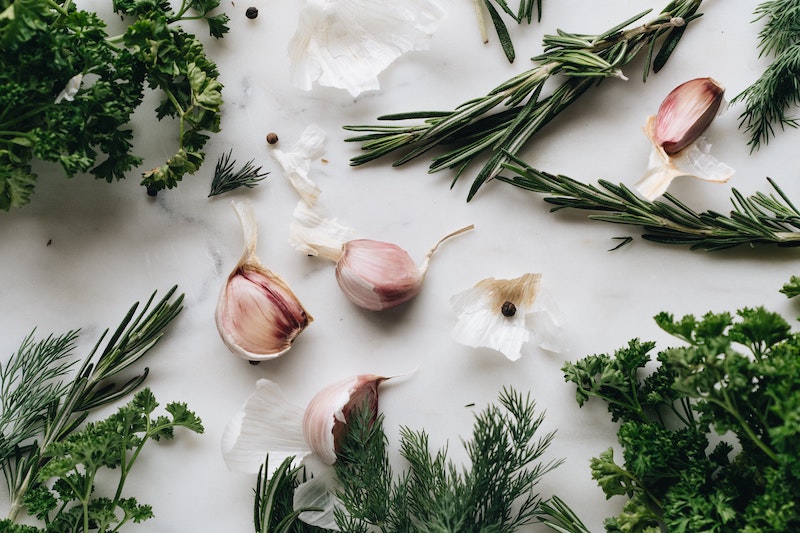
Herb Growing Requirements at a Glance
Different herbs have different growing requirements. Some prefer consistent moisture and fertile soil, while others grow best in drier, leaner conditions. Grouping herbs with similar needs makes garden maintenance easier.
| Herb | Sunlight | Water & Soil Preference |
|---|---|---|
| Basil | Full Sun | Consistently moist, well-drained soil |
| Parsley | Full Sun to Partial Shade | Even moisture and fertile soil |
| Cilantro | Full Sun to Partial Shade | Moderate moisture; prefers cooler weather |
| Mint | Full Sun to Partial Shade | Consistent moisture; spreads aggressively |
| Rosemary | Full Sun | Excellent drainage; allow some drying |
| Lavender | Full Sun | Lean, well-drained soil; drought tolerant once established |
| Thyme | Full Sun Preferred | Well-drained soil; relatively drought tolerant |
| Oregano & Sage | Full Sun | Well-drained soil; moderate to low water needs once established |
| Chives | Full Sun to Partial Shade | Moderate moisture and well-drained soil |
These are general growing preferences. Specific varieties, temperatures, and container conditions may affect care requirements.
Caring For Herbs
Many popular culinary herbs can be divided into two broad groups: moisture-loving, fast-growing herbs and more drought-tolerant, slower-growing herbs. Understanding these differences can help you decide which herbs to plant together.
Moisture-loving herbs include basil, cilantro, parsley, mint, and lemon balm. These plants generally perform well in fertile, well-drained soil that receives regular moisture. Grouping herbs with similar watering requirements makes them easier to care for.
Mediterranean herbs such as rosemary, thyme, lavender, sage, and oregano usually prefer sunny locations and well-drained soil that is allowed to dry somewhat between waterings. Many of these herbs are perennials in suitable growing zones and develop woody stems as they mature.
Some herbs, particularly mint, spread aggressively through underground stems. These plants can take over garden space if not managed. Growing mint in a separate container is often the easiest way to keep it under control.
Most culinary herbs grow best with at least six hours of direct sunlight, good drainage, appropriate watering, and limited fertilizer. Always consider the individual herb's needs before planting several varieties together.
Growing Tip: Plant basil, parsley, and other moisture-loving herbs together in one section of your garden. Group rosemary, lavender, and thyme in a separate, well-drained area where the soil can dry between waterings.
Planting Herbs
Where you plant your herbs depends largely on the specific variety. Lavender, rosemary, and basil perform best with at least 6 to 8 hours of direct sunlight daily. Creeping thyme also grows best in full sun, although some varieties tolerate light partial shade. Plants grown in insufficient light may become stretched or produce less flavorful foliage.
When planning an herb garden, consider how much space each plant needs at maturity. Spreading herbs such as mint can compete with neighboring plants for nutrients, water, and sunlight, so they are best given their own container or clearly managed growing area.
Soil requirements also vary. Lavender generally prefers relatively lean, well-drained soil and tolerates neutral to alkaline conditions. Dill grows well in well-drained soil with a slightly acidic to neutral pH and does not require strongly acidic soil.
Plant herbs with similar watering needs together to avoid overwatering drought-tolerant varieties or allowing moisture-loving varieties to become too dry.
Cold-sensitive herbs such as basil and lemon verbena should generally be planted outdoors after the danger of frost has passed in spring. These tender plants can also be grown in containers and brought indoors before temperatures become too cold.
In colder climates, rosemary and some lavender varieties may not survive winter outdoors. Check the growing zone and winter hardiness of the specific plant before deciding where to grow it.
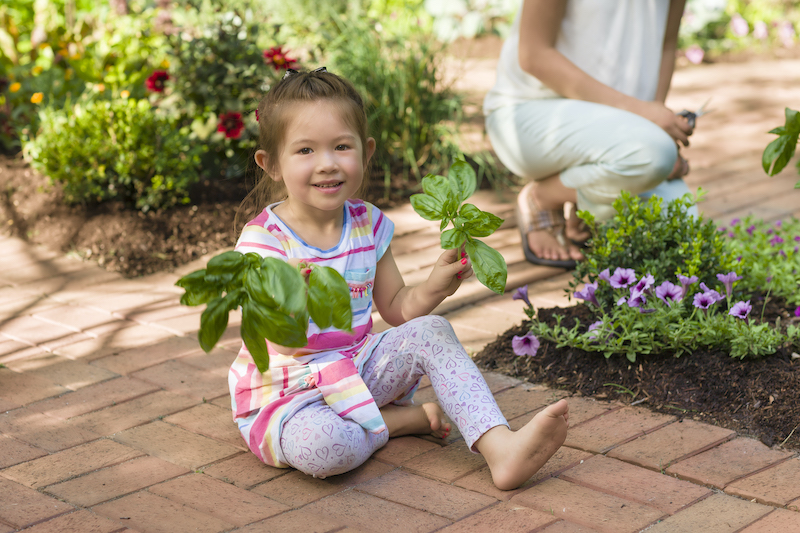
Herb Garden Planting Checklist
- Choose a location with adequate sunlight.
- Provide well-drained soil suitable for the herb.
- Allow space for each plant's mature size.
- Group herbs with compatible watering requirements.
- Keep aggressive spreaders such as mint contained.
- Wait until frost danger has passed before planting tender herbs.
Watering Herbs
Some herbs need water more frequently than others. Basil, lemon balm, mint, and parsley prefer soil that remains moderately and consistently moist without becoming waterlogged. During the heat of summer, these plants may need watering every day or two, particularly when grown in containers.
Rosemary, lavender, thyme, tarragon, and sage generally prefer well-drained soil that dries somewhat between waterings. Once established, many of these herbs are drought tolerant and may survive on natural rainfall during periods of normal weather.
Even drought-tolerant herbs benefit from supplemental irrigation during extended dry periods, especially when newly planted. However, consistently saturated soil can lead to root rot and other problems, particularly for Mediterranean herbs.
Rather than following a rigid watering schedule, check the moisture in the soil. Water thoroughly when needed, allowing excess water to drain away. The appropriate watering frequency depends on the herb, soil type, temperature, rainfall, and whether it is growing in a container.
Watering Tip: Feel the soil before watering. Fast-growing herbs such as basil generally need more consistent moisture, while woody herbs such as rosemary and lavender are more sensitive to overly wet soil.
Fertilizing Herbs
The two general groups of herbs, fast-growing leafy herbs and slower-growing Mediterranean herbs, can also help determine how much fertilizer is needed. Many herbs grow successfully with relatively little supplemental feeding, particularly when planted in healthy garden soil.
Fertilizers provide three primary macronutrients: nitrogen, phosphorus, and potassium, commonly displayed as an N-P-K ratio. Plants also require other nutrients, including calcium, magnesium, iron, and boron, for healthy growth.
Nitrogen supports leafy green growth, so fast-growing herbs such as basil may benefit from occasional fertilizer applications when soil nutrients are limited. However, excessive nitrogen can produce overly lush foliage and may reduce the concentration of aromatic oils in some herbs.
Slower-growing herbs such as rosemary, sage, lavender, and thyme usually require much less fertilizer. These plants often originate from regions with relatively lean, rocky soils and may perform poorly when overfertilized.
A soil test is the best way to determine whether nutrients are needed in garden beds. Container-grown herbs may require occasional diluted liquid fertilizer because nutrients can be lost through repeated watering, but the frequency should depend on plant growth, potting mix, and product instructions.
Fertilizer Guidelines by Herb Type
| Herb Type | Fertilizer Needs |
|---|---|
| Fast-Growing Leafy Herbs | Occasional light feeding if soil nutrients are limited. |
| Mediterranean Herbs | Little or no fertilizer in adequately fertile soil. |
| Container-Grown Herbs | Diluted liquid fertilizer as needed based on plant growth and label guidance. |
Growing Herbs in Pots
Herbs are excellent plants to grow in containers, especially those with a tendency to spread aggressively, such as mint and lemon balm. Growing these plants in pots helps prevent them from overtaking nearby garden beds and makes it easier to control their growing conditions.
Container-grown herbs are exposed to greater temperature extremes than plants grown directly in the ground. Even herbs considered cold hardy in your USDA growing zone may experience root damage when grown in exposed pots during winter.
Tender herbs such as rosemary, basil, and lemon verbena may need to be moved indoors or to a protected location when temperatures become too cold. Winter protection should be based on the specific herb's hardiness and local climate.
Potted herbs are also exposed to greater heat, especially when containers sit on hot patios, concrete, or blacktop. Soil can dry out quickly in these conditions, making more frequent watering necessary.
Because nutrients can leach from potting soil during repeated watering, fast-growing container herbs may require occasional fertilizer applications. Choose a well-draining potting mix and always use containers with drainage holes.
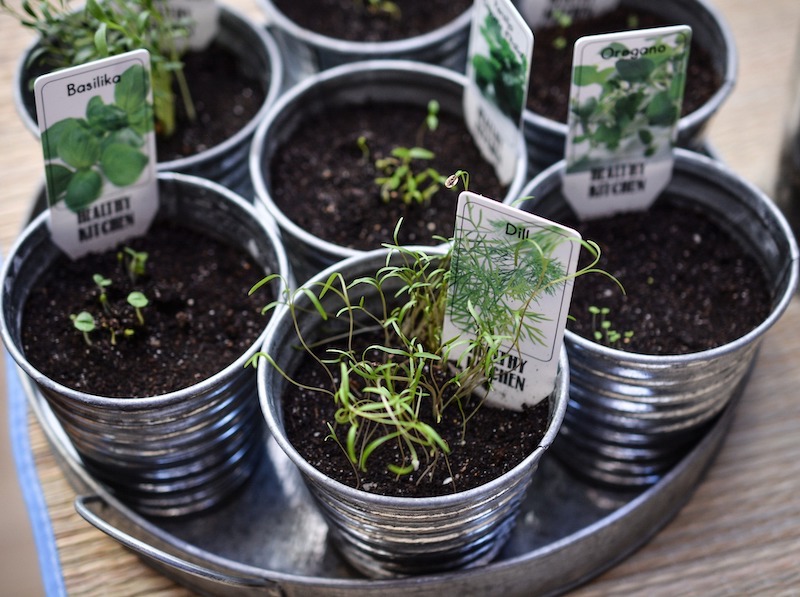
Container Tip: Grow moisture-loving herbs such as basil and parsley together in larger containers. Keep rosemary, thyme, and lavender in separate pots or groupings where their soil can dry more readily.
Growing Herbs Indoors
Many herbs can be grown indoors, making it possible to enjoy fresh seasonings when outdoor growing conditions are unfavorable. The biggest challenge is often providing enough light for healthy, compact growth.
Place herbs near a bright, unobstructed window that receives several hours of sunlight. A south-facing window is often a good choice in the Northern Hemisphere. During winter, supplemental LED grow lights may be necessary to provide enough light for healthy growth.
Indoor herbs need containers with drainage holes, appropriate potting mix, and careful watering. Plants may use less water indoors during winter, so check soil moisture before irrigating.
Some herbs, such as parsley, chives, thyme, and mint, can adapt to indoor growing conditions with sufficient light. Basil can also grow indoors, but it requires strong light and warmth, and older plants may eventually decline after flowering.
Indoor Herb Growing Essentials
- Provide bright natural or supplemental lighting.
- Use containers with adequate drainage.
- Avoid overwatering during slower winter growth.
- Keep herbs away from cold drafts and heating vents.
- Harvest regularly without removing too much foliage at once.
Harvesting Herbs
One of the greatest benefits of growing herbs is that many can be harvested repeatedly throughout the growing season. Regular harvesting encourages some herbs to produce fresh growth and helps maintain a compact, attractive shape.
Pinching a few sprigs of basil or mint just above a leaf node encourages new side branches to develop from the remaining stem. This helps prevent fast-growing herbs from becoming excessively tall or leggy.
When harvesting herbs, always leave enough foliage for the plant to continue photosynthesizing and producing new growth. Removing most of the branches from a rosemary shrub, for example, may weaken the plant and reduce its ability to recover.
Harvesting herbs in the morning, after dew has dried but before the hottest part of the day, is often ideal for maintaining freshness and aroma. Use clean scissors or pruning shears to avoid tearing the stems.
Because many culinary herbs are grown primarily for their leaves, removing developing flower buds can help prolong leafy growth. Basil, for example, often becomes woodier and produces fewer tender leaves as it flowers and sets seed.
However, allowing some herbs to flower can be beneficial for pollinators, and flowers from certain herbs are also edible or useful in arrangements. Whether to remove flowers depends on your goals for the plant.
Harvesting Tip: For basil, cut stems just above a pair of leaves to encourage branching. For woody perennial herbs, harvest lightly and avoid cutting deeply into old, leafless wood unless the species tolerates that pruning.
Drying and Preserving Herbs
Fresh herbs can be enjoyed immediately after harvesting, but drying or freezing them allows you to preserve their flavor for use throughout the year.
Woody herbs such as rosemary, thyme, oregano, and sage are often well suited to air drying. Harvest healthy stems, gather them into small bundles, and hang them in a warm, dry, well-ventilated location away from direct sunlight until the leaves are completely dry.
Tender herbs such as basil, parsley, and cilantro often retain more of their fresh character when frozen. Leaves can be chopped and frozen in small portions or in ice cube trays with water for convenient use in cooking.
Store thoroughly dried herbs in clean, airtight containers away from heat, moisture, and direct light. Proper storage helps preserve their flavor and fragrance.
Grow Your Own Fresh Herbs
From fragrant rosemary and lavender to flavorful basil, thyme, and sage, herbs are a versatile addition to any garden or patio. Explore our selection to find the right herbs for your growing conditions.
Shop Herb PlantsHorticultural References
The growing recommendations in this guide have been reviewed using horticultural resources, including:
- University of Minnesota Extension - Growing Herbs in Home Gardens.
- University of Minnesota Extension - Growing Basil in Home Gardens.
- Penn State Extension - Growing Herbs in the Garden.
- Penn State Extension - Growing Herbs Indoors.

About the Author
Lynn Gusman
Garden Writer at Plant Addicts
Lynn Gusman is a Plant Addicts garden writer with a background in botany, entomology, Integrated Pest Management, agricultural education, garden-center management, and commercial horticulture. She has worked in agricultural education, garden center management, and with commercial growers, bringing practical experience and scientific knowledge to her gardening advice. Lynn holds a Bachelor of Arts in Botany/Entomology from New College of Florida.
Read Lynn's Full Biography →Originally published: | Last updated: