Is there anything better than biting into a sweet, juicy, freshly picked strawberry that is still warm from the sun? Or watching a peach tree that you nurtured for three years begin to produce beautiful, fuzzy fruits? From enormous, spiky jackfruit to tiny berries, fruits are fascinating because of their various sizes, shapes, colors, and flavors.
Whether you are looking to plant a few strawberry plants in a pot this summer or nurture a hedge of blueberries, these basic fruit-growing tips can make your gardening journey easier and more enjoyable. Learning how to select, plant, water, fertilize, and harvest fruit crops will help you grow healthy plants and enjoy more homegrown fruit.

Growing Fruit at a Glance
Different fruits have different growing requirements. Some are ideal for beginner gardeners, while others need more careful pruning, soil preparation, or pollination planning.
| Fruit | Sunlight | Key Growing Consideration |
|---|---|---|
| Strawberries | Full Sun | Consistent moisture and good drainage |
| Blueberries | Full Sun | Acidic soil, generally pH 4.5-5.5 |
| Blackberries & Raspberries | Full Sun Preferred | Pruning and space for spreading canes |
| Apples | Full Sun | Pruning and compatible pollination varieties |
| Peaches | Full Sun | Pruning, pest management, and frost protection |
| Grapes | Full Sun | Sturdy trellis and annual pruning |
| Watermelons & Cantaloupes | Full Sun | Warm soil, room to spread, and steady moisture |
These are general recommendations. Mature plant size, hardiness, growing requirements, and harvest timing vary by variety and location.
Caring For Fruit Plants
Botanically, a fruit is the mature ovary of a flowering plant, often containing seeds. The foods we commonly call fruits vary widely, and some, like strawberries, have a more complex botanical structure. Regardless of how they are classified, growing fruit at home can be a rewarding experience.
Some fruiting plants are annuals, such as watermelons, and complete their life cycle in one growing season. Others, like blueberry bushes, are perennial plants that can survive winter and produce fruit again the following year when grown in appropriate climates.
There are relatively easy-to-grow fruits, such as strawberries, that need little more than adequate sunlight, consistent water, and suitable nutrients. Others require more specialized care. Peach trees, for example, are sensitive to several pests and diseases and benefit from proper pruning and occasional fruit thinning.
This wide variety of fruiting plants makes it important to understand the needs of each crop. Before planting fruit in your yard, research how much sunlight it requires, the appropriate soil conditions, watering needs, pollination requirements, and any ongoing maintenance.
Growing Tip: Choose fruit varieties adapted to your USDA hardiness zone and local climate. For fruit trees, also consider winter chilling requirements and the risk of spring frost damage to flowers.
Planting Fruits
Sunlight Requirements
Sunlight is one of the most important factors when deciding which fruits to grow. Producing fruit requires substantial energy, and most fruiting crops perform best with at least 6 to 8 hours of direct sunlight daily.
Some plants, including blackberries and raspberries, can tolerate partial shade, but they generally produce better yields and higher-quality fruit in full sun. Choose the sunniest suitable location available for most fruit crops.
Soil Preparation
Soil quality can make or break fruit production. Most fruiting plants need fertile, well-draining soil with suitable nutrient levels. Some fruits have specialized requirements. Blueberries, for example, thrive in acidic soil, generally with a pH between 4.5 and 5.5.
Testing your soil before planting is one of the best ways to determine whether adjustments are needed. Based on the results, you may need to improve organic matter, correct soil pH, or address drainage problems before planting.
When planting fruit trees, dig a hole wide enough to accommodate the root system and encourage roots to spread outward. Avoid heavily amending only the planting hole with rich soil, as this can discourage roots from expanding into the surrounding native soil and may contribute to drainage problems.
Improve the overall planting area when necessary, use primarily native soil when backfilling, and position the tree at the correct planting depth. Keep graft unions above the soil line according to the tree's planting instructions.

Planting Time and Frost Dates
When planting annual fruits that are sensitive to cold temperatures, such as watermelon and cantaloupe, check your region's average last spring frost date. Warm-season crops should generally be planted after frost danger has passed and the soil has warmed sufficiently.
Woody perennial fruits such as blueberry bushes, apple trees, peach trees, and grapevines have different planting and pruning schedules. Many dormant fruit trees and shrubs are planted in early spring, while pruning is often performed during dormancy in late winter or early spring.
The best pruning time varies by crop. Always check the plant's specific requirements, particularly for flowering and fruiting wood, to avoid removing developing fruit buds.
Proper Plant Spacing
Plant spacing is just as important for fruiting plants as it is for vegetables. Giving plants enough room to reach their mature size improves access to sunlight, water, and nutrients while allowing air to circulate through the foliage.
Healthy flowers and proper pollination are essential for good fruit production. Crowded plants can struggle with excessive shade, limited airflow, and increased disease pressure.
Proper pruning, training, and occasional thinning of young fruit can also help some fruit trees produce larger, higher-quality harvests while reducing the risk of overloaded branches.
Watering Fruit Plants
How much and how frequently to water fruiting plants varies greatly. From small strawberry plants to mature apple trees, each crop has different moisture requirements depending on its size, age, root system, soil, and growing conditions.
As a general starting point, many fruit crops benefit from approximately one inch of water per week through rainfall or irrigation. Some plants need more during hot, dry weather or during periods of active fruit development.
Melons, for example, may need one to two inches of water per week depending on the weather and stage of growth. Water deeply enough to moisten the root zone rather than soaking the soil lightly every day. Drip irrigation or soaker hoses help deliver water efficiently while keeping foliage drier.
Consistent moisture is particularly important while melons are developing fruit. Avoid sudden, severe reductions in watering that could stress the plants. As harvest approaches, irrigation can sometimes be reduced if soil moisture and weather conditions allow, but plants should not be allowed to wilt severely.
Established fruit trees often benefit from less frequent but deeper watering. A slow drip system allows water to reach the root zone without unnecessarily wetting the foliage.
Young fruit trees require more frequent monitoring while their root systems become established. Mature trees may need supplemental irrigation primarily during extended dry periods, although water needs increase when trees are carrying a heavy fruit crop.
Watering Tip: Check soil moisture below the surface before watering. Sandy soils dry out more quickly than clay soils, and mulch can help conserve moisture. Avoid both prolonged waterlogging and severe drought stress.
Fertilizing Fruit Plants
Fruiting plants benefit from proper nutrition just like vegetables. Fertilizers commonly supply three primary macronutrients: nitrogen, phosphorus, and potassium, displayed as an N-P-K ratio on the fertilizer label.
Many fertilizers also contain secondary nutrients or micronutrients, such as calcium, magnesium, iron, and boron. These nutrients play different roles in leaf, root, flower, and fruit development.
Different fruits require different nutrient levels, and the best fertilizer depends on the nutrients already available in your soil. A soil test can help you avoid unnecessary applications and identify deficiencies that may limit plant growth.
Watermelons, for example, need sufficient nitrogen early in the growing season to support healthy leaves and vines. However, too much nitrogen can encourage excessive vegetative growth. There is no universal need to switch to a high-phosphorus fertilizer when flowers appear if the soil already contains adequate phosphorus.
Blueberry bushes have specialized soil requirements and may benefit from fertilizers containing ammonium nitrogen when nutrients are needed. Ammonium sulfate can also lower soil pH over time, but it should not be applied automatically without considering existing soil conditions.
Fruit trees may benefit from fertilizer when soil nutrients are low or annual shoot growth is inadequate. However, applying high-nitrogen fertilizer every year is not always necessary. Excessive nitrogen can stimulate vigorous shoots at the expense of flowers, fruit production, and overall plant balance.
Understanding the N-P-K Ratio
| Nutrient | Primary Role |
|---|---|
| Nitrogen (N) | Supports leafy growth and chlorophyll production. |
| Phosphorus (P) | Supports energy transfer, roots, and reproductive development. |
| Potassium (K) | Supports water regulation, plant function, and fruit quality. |
Ultimately, the best approach is to learn the needs of each fruit crop rather than applying the same fertilizer to every plant. Healthy soil and appropriate nutrient levels are more important than using the highest-strength fertilizer available.
Pollination and Fruit Production
Pollination is an important consideration when planning a fruit garden. Some fruiting plants are self-fruitful and can produce fruit with pollen from their own flowers. Others require pollen from a compatible second variety to produce a reliable harvest.
Most apple varieties need a compatible apple or crabapple cultivar nearby for cross-pollination. Many blueberries produce larger or more reliable harvests when compatible varieties are grown together. Most peach varieties are self-fruitful, although exceptions exist.
Bees and other pollinating insects play an important role in transferring pollen between flowers. Providing diverse flowering plants nearby can help support pollinator populations throughout the growing season.
Before purchasing fruit trees or berry bushes, check the variety's pollination requirements, bloom timing, and whether a second compatible plant is recommended.
Pollination Tip: A fruit tree can produce plenty of healthy flowers but little fruit if it lacks a compatible pollinator, experiences a late frost, or has poor pollinator activity during bloom.
Growing Fruit in Pots
While not every fruit-bearing plant is well suited to containers, many compact varieties can grow successfully in pots. Strawberries are one of the easiest examples and can be grown in hanging baskets, raised planters, or specialized strawberry pots with multiple planting pockets.
With proper pruning and care, some dwarf fruit trees can also be grown in large patio containers. The best results come from choosing varieties and rootstocks specifically suited to container growing.
It is important to remember that while an apple tree may be cold-hardy in your USDA growing zone, its roots are more exposed to freezing temperatures when grown in a pot. Perennial fruit plants in containers may need additional insulation or relocation to a protected, appropriately cool space during winter.
Container plants also tend to dry out faster than plants grown in the ground and require more frequent soil moisture monitoring. Nutrients can be washed from potting mixes through repeated watering, so regular feeding may be necessary depending on the crop and fertilizer being used.
Tips for Growing Fruit in Containers
- Choose dwarf or compact fruit varieties when possible.
- Use containers with adequate drainage holes.
- Fill pots with high-quality, well-draining potting mix.
- Monitor watering frequently during hot weather.
- Apply fertilizer based on plant needs and label instructions.
- Protect roots from extreme winter temperatures.
Harvesting Fruits
When purchasing seeds, young plants, or mature fruit trees and shrubs, look for information about harvest timing. Different fruits mature at different rates, and knowing when to pick them is essential for the best flavor and quality.
Watermelons, for example, may be ready to harvest approximately 70 to 100 days after planting, depending on the variety and growing conditions. Perennial berry bushes such as blueberries, blackberries, and raspberries can produce ripe fruit over several weeks, sometimes longer when multiple varieties are planted.
Fruit trees can take several years before they are mature enough to produce substantial harvests. Dwarf trees often begin bearing earlier than full-sized trees, while the exact timing depends on the fruit species, rootstock, and growing conditions.

Apples are often ready for harvest when they have developed their mature color, reached suitable firmness, and detach relatively easily when lifted and twisted gently. The exact harvest indicators depend on the apple variety.
Watermelons develop several signs of maturity. The spot where the fruit rests on the ground often changes from white to creamy yellow, and the tendril nearest the fruit may turn brown and dry. These signs are more reliable when considered together rather than individually.
Unlike apples and peaches, fruits such as strawberries and watermelons do not become sweeter after harvest. Picking them at the proper stage is particularly important for the best flavor.
Helpful tools include clean pruning shears, harvesting baskets, and long-handled fruit pickers for reaching higher branches. Always handle ripe fruit gently to minimize bruising, and refrigerate or preserve harvested produce according to the needs of the specific crop.
Harvesting Tip: Learn the ripeness indicators for each fruit variety rather than relying on color alone. Flavor, firmness, aroma, ease of separation, and days to maturity can all provide useful clues.
It may take some research and experience to know exactly when fruit is ready for picking. Local gardening communities and university extension programs are excellent resources for crop-specific harvesting advice.
Grow Your Own Fresh Fruit
From fresh strawberries and blueberries to productive fruiting shrubs, growing your own fruit is one of the most rewarding parts of gardening. Find fruit plants suited to your growing conditions and available space.
Shop Fruit Producing PlantsHorticultural References
The growing recommendations in this guide have been reviewed using resources from university extension programs, including:
- University of Minnesota Extension - Growing Strawberries in the Home Garden.
- University of Minnesota Extension - Growing Blueberries in the Home Garden.
- University of Minnesota Extension - Growing Stone Fruits in the Home Garden.
- University of Minnesota Extension - Watering Tips for Fruit Crops During Dry Spells.
- University of Minnesota Extension - Harvesting and Storing Melons, Squash and Pumpkins.
- Penn State Extension - Home Orchards: Why Is There No Fruit on My Tree?
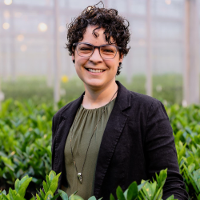
About the Author
Lynn Gusman
Garden Writer at Plant Addicts
Lynn Gusman is a Plant Addicts garden writer with a background in botany, entomology, Integrated Pest Management, and agricultural education. Her professional experience includes teaching agricultural science, managing a garden center, and working with commercial horticultural growers. She holds a Bachelor of Arts in Botany/Entomology from New College of Florida and brings a science-based, practical approach to edible gardening, plant health, and home gardening advice.
Read Lynn's Full Biography →Originally published: | Last updated: