Last Updated May 7th, 2026
Yes, hydrangeas are poisonous to dogs, cats, horses, and people if eaten.
Most cases are not fatal when handled quickly, but hydrangeas can cause vomiting, diarrhea, lethargy, depression, stomach discomfort, and other symptoms depending on how much was eaten and the size of the person or pet.
Hydrangeas contain cyanogenic glycosides, a group of compounds that can cause poisoning when plant parts are chewed or swallowed. The leaves and flowers are usually the biggest concern because they are the parts pets and children are most likely to nibble.
Important Safety Note
This article is for plant safety education and is not a substitute for veterinary or medical advice. If a pet or child eats any part of a hydrangea, call your veterinarian, doctor, poison control center, or pet poison hotline for guidance.
Jump to Hydrangea Safety Topics
Are Hydrangeas Poisonous?
Hydrangeas are poisonous if eaten. They are considered toxic to dogs, cats, and horses, and they should not be eaten by children or adults. In most pet cases, hydrangea poisoning causes stomach upset rather than fatal poisoning, but you should still take any ingestion seriously.
The main toxic compounds in hydrangeas are cyanogenic glycosides. When plant tissue is chewed and swallowed, these compounds can cause gastrointestinal symptoms. Severe cyanide poisoning from hydrangeas is considered rare, but large ingestions, small pets, young animals, or pets with health issues may be at greater risk.
| Question | Answer |
|---|---|
| Are hydrangeas poisonous to dogs? | Yes. Dogs may develop vomiting, diarrhea, lethargy, loss of appetite, or other symptoms after eating hydrangeas. |
| Are hydrangeas poisonous to cats? | Yes. Cats are at risk because many cats chew leaves and flowers out of curiosity. |
| Are hydrangeas poisonous to horses? | Yes. Hydrangeas are listed as toxic to horses and should not be planted where horses can graze on them. |
| Are hydrangeas edible? | No. Hydrangeas should not be treated as edible flowers for people or pets. |
What Parts of a Hydrangea Are Poisonous?
All parts of a hydrangea plant should be considered unsafe to eat, including the leaves, flowers, buds, and stems. The leaves and flowers are often the biggest concern because they are the most visible and accessible parts of the plant.
Plant Addicts Expert Tip: Do not assume a plant is safe just because a pet ignores it or has chewed it once without obvious symptoms. Toxicity can depend on the amount eaten, the animal’s size, and the animal’s health.
Are Hydrangeas Poisonous to Cats?
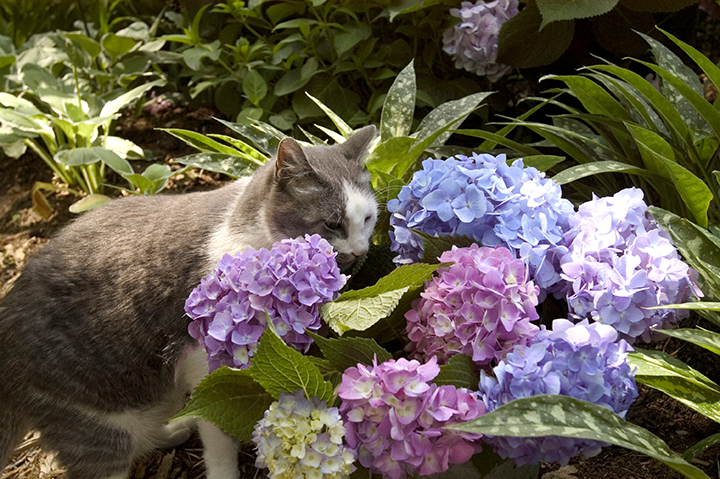
Yes, hydrangeas are poisonous to cats. Most cases are not fatal when handled properly, but cats should not be allowed to chew hydrangea leaves or flowers. Because cats are naturally curious and may nibble plants indoors or outdoors, hydrangeas should be kept out of reach whenever possible.
Cats may be especially drawn to soft leaves and flowers. Even if a cat only chews a small amount, it is best to contact your veterinarian for guidance.
Hydrangea Poisoning Symptoms in Cats
- Vomiting
- Diarrhea
- Drooling or nausea
- Lethargy or depression
- Loss of appetite
- Abdominal discomfort
- Weakness or unusual behavior
Severe symptoms are less common, but any suspected ingestion should be treated seriously. Do not induce vomiting or give home remedies unless a veterinarian tells you to do so.
Are Hydrangeas Poisonous to Dogs?
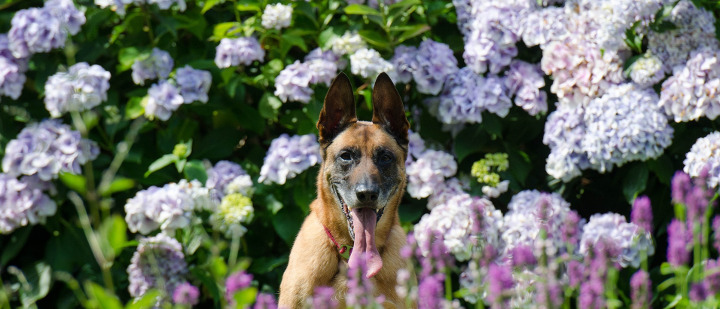
Yes, hydrangeas are poisonous to dogs. Puppies and dogs that like to chew are the biggest concern because they may eat leaves, flowers, or stems while exploring the yard.
Most dogs that eat hydrangea develop gastrointestinal symptoms, but large ingestions can be more serious. Call your veterinarian, emergency vet, ASPCA Animal Poison Control, or Pet Poison Helpline if your dog eats any part of a hydrangea.
Hydrangea Poisoning Symptoms in Dogs
- Vomiting
- Diarrhea
- Drooling or nausea
- Lethargy or fatigue
- Loss of appetite
- Depression or unusual behavior
- Abdominal pain
- Rapid heart rate, fever, or breathing changes in more serious cases
Do not wait for symptoms to get worse. If your dog ate hydrangea and is vomiting, lethargic, shaking, breathing abnormally, or acting unusual, seek veterinary care right away.
Are Hydrangeas Poisonous to Children?
Hydrangeas should not be eaten by children. While serious poisoning is uncommon, hydrangea leaves and flowers can still cause illness if swallowed. Young children are naturally curious, so plant placement can make a difference.
Teach children that hydrangea flowers are for looking, not tasting. If a child eats part of a hydrangea, call your doctor or poison control center for guidance.

Are Dried Hydrangeas Poisonous?
Yes, dried hydrangeas should still be considered poisonous. Drying the flowers does not make them edible or pet-safe. Dried arrangements, wreaths, and preserved hydrangea stems should be kept away from pets and children.
Dried hydrangeas can also pose added risks if they have been treated with preservatives, dyes, sprays, glycerin, or other chemicals. If a pet eats dried hydrangeas from an arrangement, mention both the plant and possible floral preservatives when you call your veterinarian.
What To Do If a Pet Eats Hydrangea
If your pet eats hydrangea, stay calm but act quickly. The safest next step is to contact a veterinary professional for instructions.
| Step | What To Do |
|---|---|
| 1. Remove access | Move your pet away from the plant and remove any plant pieces from the area. |
| 2. Check what was eaten | Look for chewed leaves, missing flowers, broken stems, or pieces on the ground. |
| 3. Call for help | Contact your veterinarian, emergency vet, ASPCA Animal Poison Control, or Pet Poison Helpline. |
| 4. Do not use home remedies | Do not induce vomiting, give milk, oils, salt, or medications unless a veterinary professional tells you to. |
| 5. Bring plant material if needed | If you go to the vet, bring a piece of the plant or a photo so the plant can be identified. |
Pet Poison Help Contacts
Pet Poison Helpline: (855) 764-7661
ASPCA Animal Poison Control Center: (888) 426-4435
A consultation fee may apply. If your pet is having severe symptoms, contact an emergency veterinarian immediately.
Can You Still Grow Hydrangeas With Pets or Kids?
Yes. Many families with pets and children safely grow hydrangeas. The key is thoughtful placement, supervision, and prevention. Hydrangeas do not need to be avoided completely, but they should not be planted where pets or small children are likely to chew on them.
Ways to grow hydrangeas more safely:
- Plant hydrangeas away from dog runs, play areas, and pet bathroom spots.
- Use decorative fencing or low garden borders around young shrubs.
- Train dogs to avoid garden beds before plants become a chewing habit.
- Keep dried hydrangea arrangements out of reach indoors.
- Supervise puppies, kittens, and curious pets around new plantings.
- Choose pet-safe plants in areas where pets are likely to chew or browse.
If your pet constantly chews plants, talk with your veterinarian. Some pets chew because of boredom, anxiety, curiosity, or possible nutritional issues.
Looking for safer options? View our full list of pet-safe plants.
Hydrangea Poisoning FAQs
Are hydrangeas usually fatal to pets?
Hydrangea poisoning is rarely fatal, but it can still make pets sick. Large ingestions, small animals, and pets with health issues may be at higher risk.
Which part of the hydrangea is most poisonous?
All parts should be considered unsafe to eat. Leaves and flowers are often the biggest concern because pets and children are most likely to chew them.
Are dried hydrangeas safe for cats and dogs?
No. Dried hydrangeas are still unsafe if eaten, and preserved arrangements may contain added chemicals that create additional risk.
Can I grow hydrangeas if I have pets?
Yes, but plant them where pets cannot easily chew them. Use barriers, supervision, and training if your pets are curious or prone to eating plants.
What should I do if my pet eats hydrangea?
Remove access to the plant and call your veterinarian, emergency vet, ASPCA Animal Poison Control, or Pet Poison Helpline. Do not induce vomiting unless a veterinary professional tells you to.
Final Thoughts From Plant Addicts
Hydrangeas are not pet-safe or edible plants, but many gardeners can still grow them safely with the right precautions. Plant them thoughtfully, keep dried arrangements out of reach, and contact a professional quickly if a pet or child eats any part of the plant.
If your yard needs plants that are safer for curious pets, browse our pet-safe plants. If you want to grow hydrangeas in a pet-friendly yard, choose a planting location where pets are less likely to chew or browse.
At Plant Addicts, hydrangeas are one of our deepest specialties. We grow, sell, ship, and help customers choose hydrangeas every season, and safety questions about pets and kids are some of the most common concerns we hear from gardeners. Denise Schreiber, the author of this guide, brings decades of hands-on gardening and plant education experience to this topic.
About the Author
 |
Denise Schreiber is a longtime gardener, plant writer, speaker, and horticulture expert with deep experience helping gardeners understand plant care, safety, and practical landscape decisions. Last updated by Plant Addicts on May 7th, 2026. |
Sources
- ASPCA Animal Poison Control: Hydrangea toxicity information for dogs, cats, and horses.
- Pet Poison Helpline: Hydrangea toxicity information for pets.
- Queensland Poisons Information Centre: Hydrangea poisoning reference.