
Coral Bells 1 to 60 of 71 total










Coral Bells 1 to 60 of 71 total
Chat/Email Support
Mon-Thur, 7 AM - 6 PM CST
Fri, 7 AM - 5 PM CST
Sat-Sun, 9 AM - 3 PM CST
Chat Us Email Usinfo@plantaddicts.com
Phone Support
Mon-Fri, 8 AM to 5 PM CST

Zones 4-9

Native to North America

Great For Containers

Low Maintenance
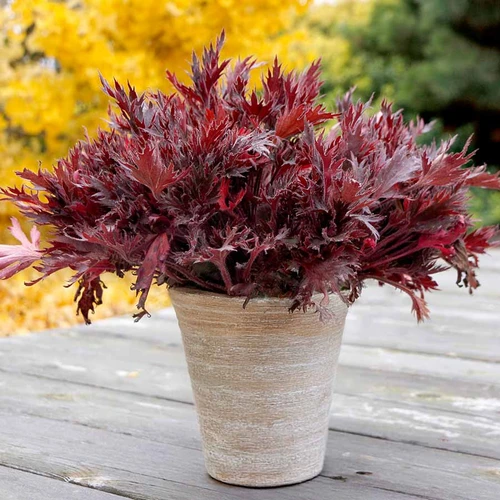
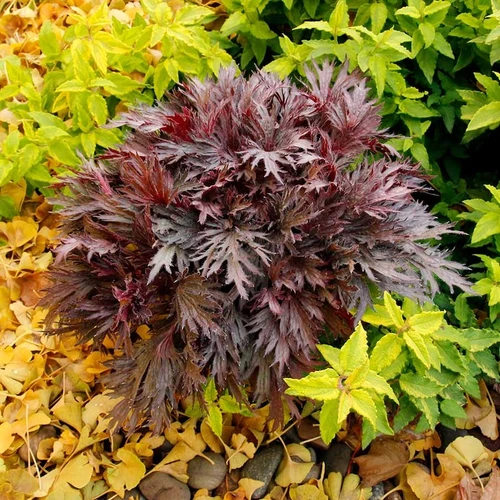
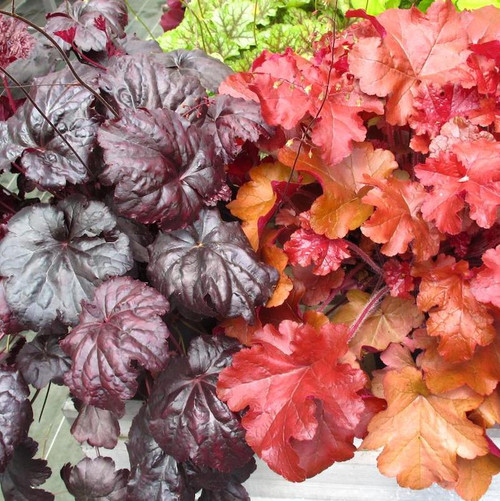
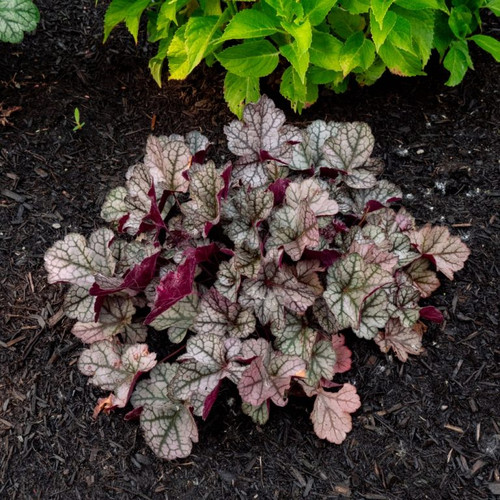
Heuchera, commonly called Coral Bells or Alumroot, is a genus of native, evergreen perennials. These plants are known for their showy foliage in a spectrum of colors, along with blooms in pink or white. Coral bells are easy to grow, offer year-round interest, and are deer and disease resistant. We offer one of the largest selections of these foliage-forward plants, allowing you to find a plant to match practically any color scheme.
Heuchera is native to the United States and known for its impressive, bold foliage. Heucherella is a hybrid cross between the Heuchera and Tiarella plant, combining the lovely foliage of the Heuchera with the foamy blooms of the Tiarella.

Year round interest
Compliments nearby flowers
Available in a variety of foliage colors
Red, white, coral, pink, or orange flowers
Typically 8-18 inches tall with a 12-24 inch spread
Growing zones 4 to 9

Alumroot
North America
Perennials
Herbaceous
3 - 9
White, Pink, Red, Coral, Green
Spring to Summer
Mounded, Clumping
Hummingbirds, Bees, Butterflies
Shade, Partial Shade, Drought
Deer, Rabbits
Coral Bells, also known as Heuchera, are loved for their colorful leaves, ranging from deep purples, bright greens, and even silvers. Growing in zones 4-8, this plant matures to 8-18 inches tall and 12-24 inches wide. Its mounding habit and wavy leaves are ideal for adding texture and depth to garden beds. In addition to the striking leaves, delicate, bell-shaped flowers appear on tall stems and attract pollinators like bees and hummingbirds.
These plants are perfect for edging pathways, creating borders, or softening the edges of hardscapes. They perform well in shaded areas, making them an excellent choice for underplanting beneath trees or taller shrubs. Coral Bells are also highly effective in container gardening, where their foliage can serve as a focal point or complement other plants. With a thoughtful arrangement, they provide year-round interest to various garden styles.
| Type | Scientific Name | Native | Flowers | Foliage | Uses | Features |
|---|---|---|---|---|---|---|
| Coral Bells, Alum-root | Heuchera | Mainly North America (woodlands & rocky slopes) | Short–tall wands of bell-shaped blooms • spring–early summer (some to midsummer) | Evergreen to semi-evergreen; ruffled, maple-like leaves in many colors | Front-of-border color, shade containers, edging, ground-cover masses, pollinator gardens | • Best color in part shade; darker leaves handle more sun • Require sharp drainage • Some cultivars struggle in hot/humid summers |
| Foamflower | Tiarella | Eastern–Midwestern North America woodlands | Airy “foam” of starry white-to-pale-pink blooms • mid-spring (often earliest of trio) | Heart-shaped, lobed leaves—often with dramatic burgundy mid-veins | Woodland ground cover, shaded slopes, rock gardens, containers | • Tolerates more shade & moisture than heuchera • Generally disease-resistant; handles humidity • Deer/rabbit resistant |
| Foamy Bells | × Heucherella (Heuchera × Tiarella) | Hybrid origin | Small foamy or bell-like spikes; late spring, often repeat lightly | Intricately cut leaves with heuchera-style colors plus tiarella veining; many seasonal color shifts | Accent clumps in part shade, mixed shade containers, edging, color carpets | • Merges heuchera color with tiarella shade/moisture tolerance • Better disease & humidity resistance than many heucheras • Semi-evergreen |
Coral bells perform best when planted in well-draining soil enriched with organic matter. They prefer partial to full shade, though some newer varieties can handle more sunlight. Watering should be consistent but moderate. Overwatering or overly dry soil can stress the plants. Applying a balanced, slow-release fertilizer in spring can encourage healthy foliage and growth, but avoid excessive fertilization, which may lead to weak stems or poor performance.
Pruning spent flower stalks encourages more compact growth and helps the plant conserve energy. For winter care, a layer of mulch can protect the shallow roots from freezing temperatures and frost heave. Coral bells also adapt well to containers, provided the pot has good drainage and is filled with a high-quality potting mix. Regular repotting or refreshing the soil every couple of years is essential for maintaining healthy growth in confined spaces.
Learn More About Coral bell Care

Often paired with other shade loving plants, Coral Bells are great for mixed borders or woodland gardens. Some great combinations include bleeding heart, iris, astilbe, begonia and caladium. Here are some of our favorites:


