

Light Needs

Mature Height

Mature Spread

Growing Zones
Longflower Alumroot looks best in a crowd, because the silver-mottled foliage spreads into a luminous carpet and the tall, wiry stems dance above it. The foliage mound stays around 8–14 inches tall and spreads roughly 12–18 inches, but the flower wands can reach up to about 30 inches. Compared with many coral bells that are grown mainly for leaf color, this species earns its name with notably longer flower stems and a lighter, airier bloom effect. We've found that it's great for dry shade under trees where you want something that feels alive and detailed.
Heuchera longiflora is native to North America and naturally tied to limestone soils, which explains its tolerance for more alkaline conditions. Blooming kicks in late May into June, with small pale flowers tucked into tubular calyces that draw pollinators. In cooler months, the leaves can pick up red veining or bronzy tones, adding a second season of interest. Use it to edge a path, to soften the front of woodland borders, or to weave through spring-flowering perennials.
Longflower Alumroot Care
Grow Longflower Alumroot in part sun to full shade. It’s happiest in filtered light, but it can take more sun in the northern part of its range if soil stays evenly moist. Plant in organically rich, well-drained soil, and keep pH in the slightly acidic to neutral range if you’re amending, although this species tolerates alkaline soils better than most. Drainage is critical, especially in winter, because soggy crowns lead to rot.
Water to keep the root zone consistently damp during establishment, then shift to occasional deep watering in dry shade. If the leaves look slightly dull or the newest growth stalls, give the plant a good soak. A spring top-dress of compost is usually enough, but in very lean soils a light, balanced feed can help flower stem production. In cold climates, alumroot benefits from a winter mulch after the ground freezes to reduce heaving.
Remove spent flower stems after bloom if you want a cleaner look, or leave a few if you like the airy structure. Tidy old foliage in early spring before new leaves emerge, rather than cutting hard in fall. Divide clumps every 3–4 years in spring to renew growth and to expand a mass planting.
Longflower Alumroot Spacing
Space plants about 12–18 inches apart to create a continuous groundcover without crowding the crowns. In containers, a 12–14 inch pot works well for a single plant, especially in a shade patio where the silver pattern stands out.
For landscape companions, pair this alumroot with hellebore for early-season structure and lungwort to echo the silver tones while extending bloom in spring. In containers, combine it with impatiens for warm-season color and dead nettle for a trailing edge that stays happy in shade.
Simple Plant Spacing Calculator

Please Note: The pictures below are to give a general representation of the different container sizes. The actual size/ages of plants are estimates and will vary based on type of plant, time of year, last pruning & many other factors.
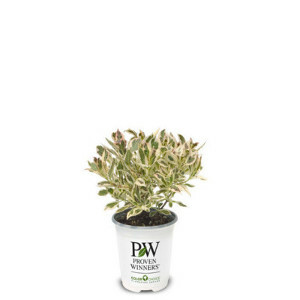
Also Known As:
Quart
Plant Age:
~ 6 months - 1 year
Plant Size:
~ 4"-8"
Pot Size:
~ 4.75"H x 4.5"W
Volume:
1.50 quarts
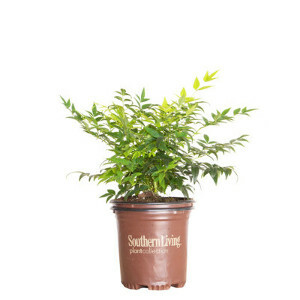
Also Known As:
2.5 Quart Pot
Plant Age:
~ 1 - 2 years old
Plant Size:
~ 8"-12"
Pot Size:
~ 6.5"H x 6.5"W
Volume:
2.20-2.30 quarts
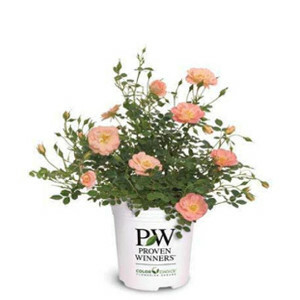
Also Known As:
#1 Container
1 Gallon
Plant Age:
~ 1 - 2 years old
Plant Size:
~ 10"-14"
Pot Size:
~ 7"H x 7.75"W
Volume:
2.26-3.73 quarts
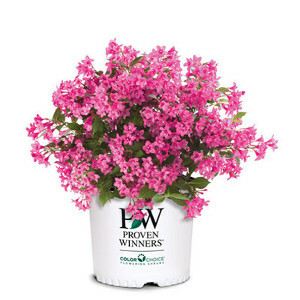
Also Known As:
#2 Container
2 Gallon
Plant Age:
~ 1.5 - 3 years old
Plant Size:
~ 12"-18"
Pot Size:
~ 9.5"H x 9.5"W
Volume:
1.19-1.76 gallons
Also Known As:
#3 Container
3 Gallon
Plant Age:
~ 2 - 4 years old
Plant Size:
~ 12"-30"
Pot Size:
~9.5"H x 11"W
Volume:
2.32-2.76 gallons

Also Known As:
#5 Container
5 Gallon
Plant Age:
~3-4 years old
Plant Size:
~ 20" - 60"
Pot Size:
~11" H x 10 1/2” W
Volume:
3.5 - 4 gallons

We stand behind our plants with industry-leading guarantees to give you peace of mind.
We want your plants to arrive in great condition! If you notice any issues upon delivery, contact us within 3 days.
Starting January 1, 2026 all bushes, perennials & trees purchased come with an extended 1-year warranty for added confidence. If your plant dies due to a health issue within a year, we’ll make it right.
Plants that are currently in stock typically ship within 2-7 business days after your order is placed.
Plant Addicts ships to the lower 48 states within the U.S. Unfortunately, we do not currently ship to Alaska, Hawaii, or internationally.
This plant cannot be shipped to the following states: AK, HI. These restrictions apply only to this specific plant due to agricultural regulations or other limitations. Other plants may still be available for shipping to these states.
If you have any questions about shipping restrictions, feel free to reach out to our team!