
Bloomerang® Lilacs 1 to 7 of 7 total


Bloomerang® Lilacs 1 to 7 of 7 total
Chat/Email Support
Mon-Thur, 7 AM - 6 PM CST
Fri, 7 AM - 5 PM CST
Sat-Sun, 9 AM - 3 PM CST
Chat Us Email Usinfo@plantaddicts.com
Phone Support
Mon-Fri, 8 AM to 5 PM CST
Bloomerang® lilacs bring back the flowers after the traditional spring lilac season ends. Fragrant blooms appear in spring, followed by another flush from summer into fall on compact, easy-growing shrubs.
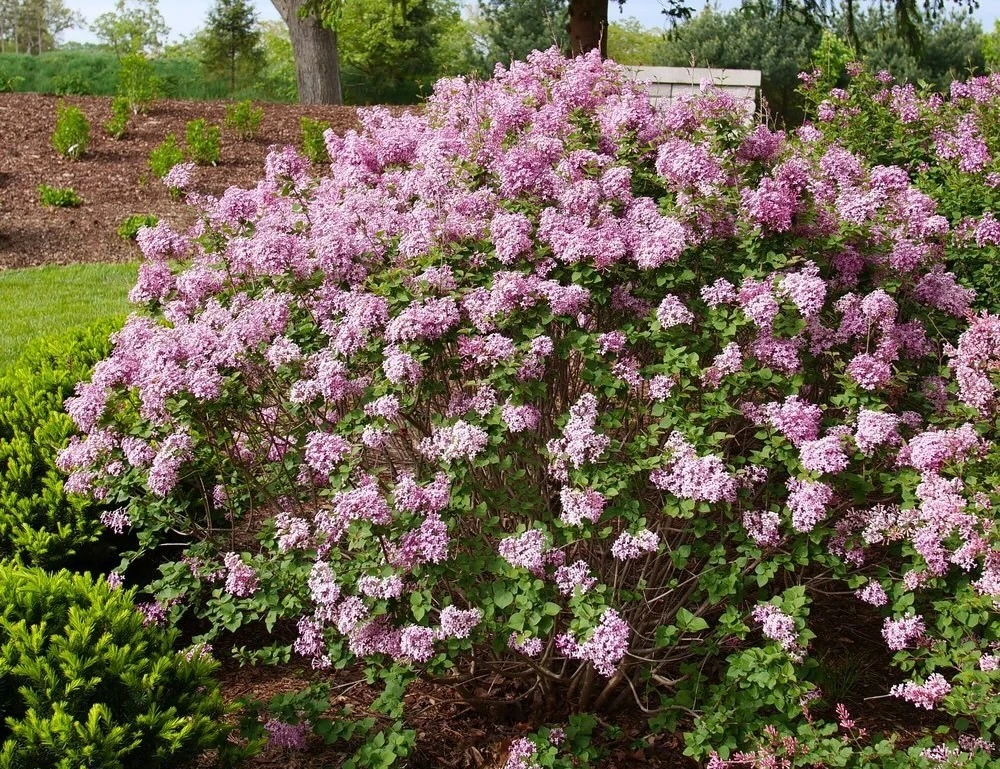
Traditional lilacs put on their main show in spring and then finish flowering for the year. Bloomerang® lilacs were selected to come back for more. They produce a strong flush of fragrant flowers in spring, pause to develop new growth, then form another round of flowers from summer into fall. This series also offers compact sizes, fragrant blooms, and good disease resistance.
Expect the largest flower display in spring. After a short break, Bloomerang® produces new growth that can carry fresh flowers from midsummer into fall.
Fragrant flower clusters can perfume patios, walkways, foundation beds, cutting gardens, and other places where the scent can be enjoyed up close.
Bloomerang® includes shrubs under 3 feet tall as well as larger 4- to 6-foot selections. That opens up possibilities for containers, low hedges, foundation beds, and compact landscapes.

The biggest differences within the series are mature size and flower color. Choose a dwarf shrub for containers and small beds or one of the larger varieties where you want more height and screening.
| Variety | Flower Color | Mature Size | Zones | Best For |
|---|---|---|---|---|
| Bloomerang Showmound® Lilac | White | 1.5–3' H × 2–3' W | 3–7 | Containers, edging & small spaces |
| Bloomerang® Dwarf Pink Lilac | Pink | 2.5–3' H × 2.5–3' W | 3–7 | Containers, low hedges & foundations |
| Bloomerang® Dwarf Purple Lilac | Purple | 2.5–3' H × 2.5–3' W | 3–7 | Small beds, edging & containers |
| Bloomerang Ballet® Lilac | Pink-Purple | 3–4' H × 3–4' W | 3–7 | Foundations, borders & containers |
| Bloomerang Purpink® Lilac | Purplish Pink | 3–5' H × 2–3' W | 3–7 | Narrow spaces, borders & cutting gardens |
| Bloomerang® Purple Lilac | Purple | 4–5' H × 4–5' W | 3–7 | Hedges, foundations & specimens |
| Bloomerang® Dark Purple Lilac | Deep Purple | 4–6' H × 4–6' W | 3–7 | Hedges, screens & larger borders |
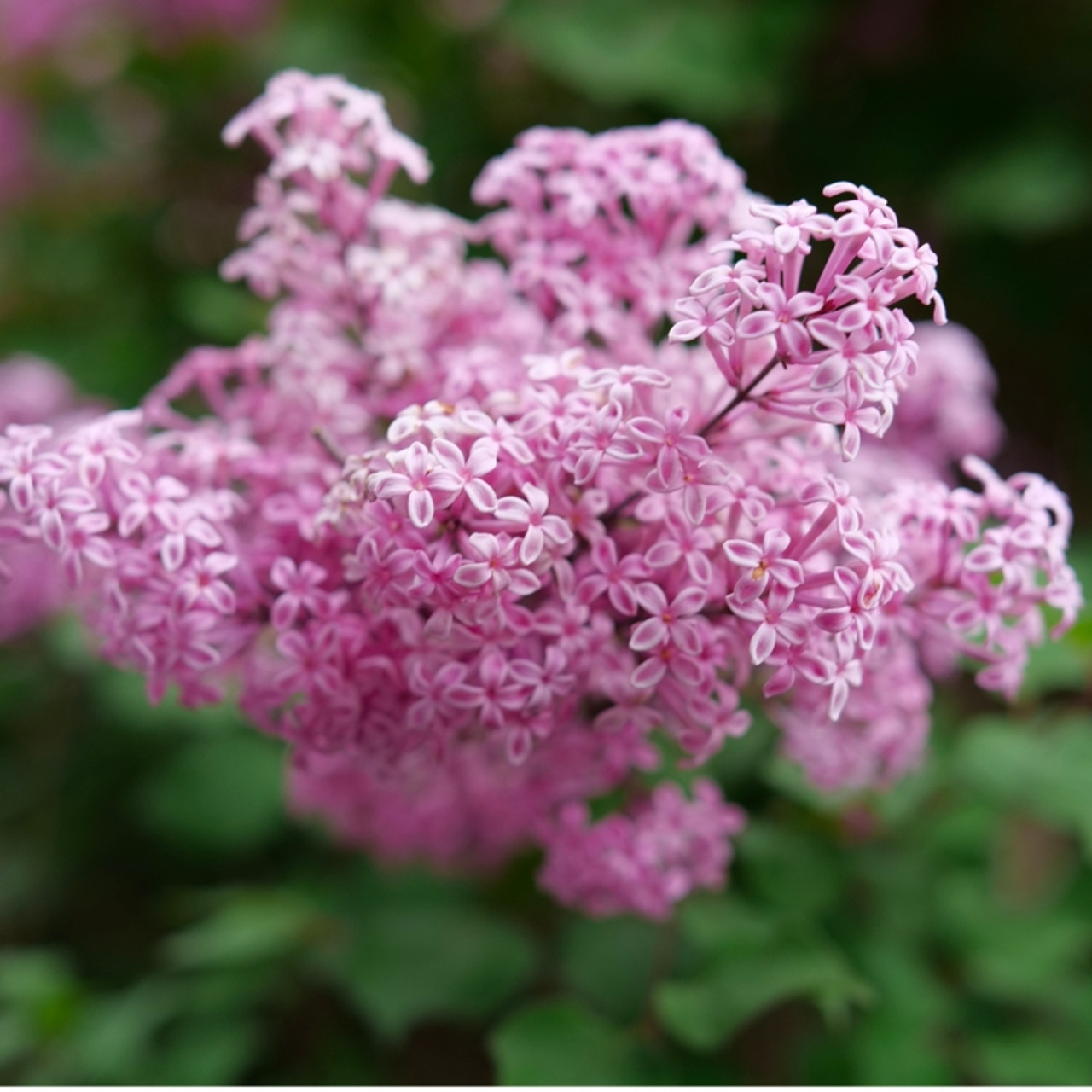
Bloomerang® lilacs produce their strongest flush of flowers in spring. After those flowers finish, the shrub takes a short break and puts energy into fresh stems and foliage.
Those new stems produce the second round of flowers. Rebloom generally begins during summer and can continue intermittently into fall.
The second display may not look exactly like the heavy spring flush. Think of Bloomerang® as a reblooming lilac rather than a continuously flowering shrub.
Bloomerang® lilacs require little special care, but sunlight and drainage have a major effect on flowering and overall plant health.
Give Bloomerang® lilacs at least six hours of direct sunlight per day. Full sun supports heavier flowering, vigorous new growth, and the best chance of a strong summer rebloom.
Lilacs adapt to average garden soils and generally prefer neutral to slightly alkaline conditions. Good drainage is essential. Avoid low spots or locations where the soil remains soggy after rain.
Water regularly during the first growing season so the root system can establish. Mature lilacs tolerate some dry weather, but prolonged drought can reduce growth and flowering.
Bloomerang® lilacs do not require routine pruning. If shaping is needed, trim immediately after the first spring bloom. Pruning later in the season can remove growth needed for future flowers.
Plants growing well in reasonably fertile soil need little supplemental fertilizer. If needed, apply a granular fertilizer formulated for flowering shrubs in early spring. A light feeding after the spring bloom can support the new growth responsible for rebloom.
Deadheading is not required for Bloomerang® lilacs to rebloom. You can remove old flower clusters after the spring display for a tidier appearance, but the plant can rebloom without this step.
Smaller Bloomerang® selections make it easier to enjoy lilac flowers and fragrance near the places where you spend the most time.
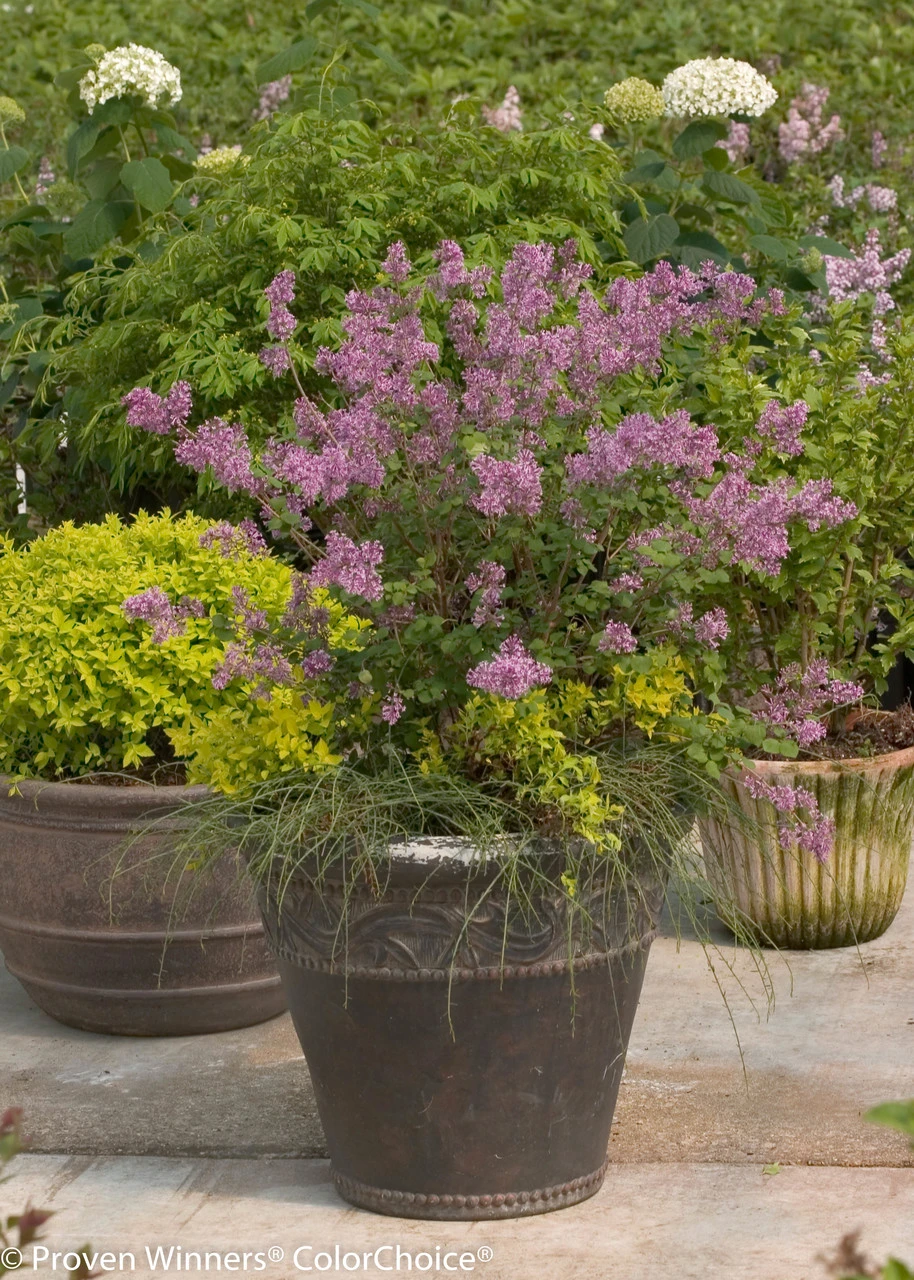
Compact varieties such as Showmound®, Dwarf Pink, and Dwarf Purple can be grown in large outdoor containers. Place the container in full sun and use a pot with generous drainage holes. Container-grown shrubs need more frequent watering than plants growing in the ground.

Bloomerang® flowers make excellent cut flowers. Harvest stems when several florets in the cluster are open and bring them indoors for seasonal arrangements. Planting near a walkway or cutting garden makes fresh flowers easy to gather.
Plant Addicts is a family-owned online plant nursery with a large selection of landscape plants and practical care information to help gardeners choose, plant, and maintain their shrubs.

Shop thousands of plants for landscapes, gardens, patios, and containers.
Shop All Plants

Shop with added protection from the Plant Addicts plant guarantee and extended warranty.
View Our Warranty

Customer satisfaction is a priority for our small family-owned business.
Read Customer Reviews

Find more than 3,000 plant care articles covering planting, watering, pruning, fertilizing, and seasonal care.
Explore Plant Care
Bloomerang® lilacs produce their main flush of flowers in mid- to late spring. After a short rest, the shrubs put on new growth and begin flowering again in summer. Rebloom can continue intermittently through fall, depending on the variety, climate, and growing conditions.
Bloomerang® lilacs have two main flowering periods rather than blooming continuously. The strongest display occurs in spring. A second period of flowering begins after the plant produces new summer growth and can continue into fall.
Mature size depends on the variety. The smallest Bloomerang® lilacs grow about 1.5–3 feet tall, whereas larger varieties such as Dark Purple can reach approximately 4–6 feet tall and wide. Check the mature size of the individual cultivar before choosing a planting location.
Bloomerang® lilacs range from about 1.5 feet to 6 feet tall. Showmound® is one of the smallest at 1.5–3 feet tall. Dwarf Pink and Dwarf Purple reach about 2.5–3 feet, Ballet® reaches 3–4 feet, and Dark Purple can grow 4–6 feet tall.
Bloomerang® lilacs have a moderate growth rate. Growth varies with the cultivar, climate, sunlight, soil, moisture, and age of the plant. Full sun and adequate moisture during establishment help the shrub reach its mature size and produce the new growth needed for rebloom.
If pruning is needed, trim Bloomerang® lilacs immediately after the first spring flowers finish. Avoid routine pruning later in summer, fall, or winter because it can remove growth and flower buds needed for the next bloom cycle. Bloomerang® lilacs do not require annual pruning.
No. Removing the spent spring flowers is optional and is not required for rebloom. You can lightly trim old flower clusters after the spring display if you prefer a neater appearance.
Yes. The dwarf selections are especially useful for large outdoor containers. Choose a container with good drainage, place it in full sun, and monitor moisture regularly because container soil dries faster than garden soil.
Insufficient sunlight, overly wet soil, drought stress, excessive pruning, or poor new growth can reduce rebloom. Bloomerang® lilacs perform best with at least six hours of direct sun and well-drained soil. The summer flowers form on new growth produced after the spring bloom.
Bloomerang® lilacs perform best in cooler climates and are generally grown in USDA Zones 3–7. Lilacs require winter chilling to flower properly, and rebloom can be reduced where summers are extremely hot. In the warmer part of their range, protection from intense afternoon heat can be helpful.
Choose a dwarf Bloomerang® for containers and compact beds, a midsize selection for foundations and borders, or a larger variety for a fragrant flowering hedge. With pink, purple, deep purple, and white selections, the series offers more ways to bring lilacs into the landscape.