| Woodbine / European Honeysuckle |
Lonicera periclymenum |
Crimson-purple outside, creamy yellow-white inside, 2-lobed tubes |
Deciduous, opposite, dark-green above, blue-green beneath |
Vigorous twining vine/shrub to 20 ft |
Fragrant, showy; red berries; lures birds & hummingbirds; deer-tolerant |
| Grape Honeysuckle |
Lonicera reticulata |
Pale yellow aging to orange-red, ¾–1 in tubes |
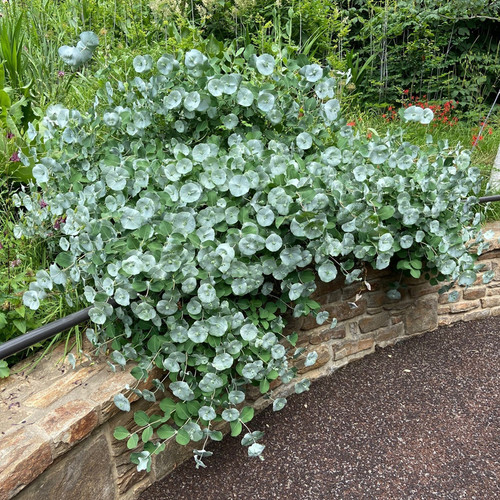
Round, blue-green, glaucous leaves |
Loose twining vine to 15 ft (can mound) |
Fragrant; bright red “grape” berries; hummingbird & butterfly favorite |
| Trumpet Honeysuckle |
Lonicera sempervirens |
Scarlet to orange-red outside, yellow inside, 2-in trumpets |
Semi-evergreen, bluish-green |
Fast twining vine 8–15 ft |
Showy, non-invasive; attracts hummingbirds, butterflies; red fruit |
| Box Honeysuckle |
Lonicera nitida |
Tiny creamy-white pairs, lightly scented |
Evergreen, glossy ¼-in leaves; purple winter tint |
Dense mounded shrub 4–6 ft; clips well |
Drought & deer resistant; bird-friendly berries; salt-spray tolerant |
| Honeyberry / Blue Honeysuckle |
Lonicera caerulea |
Yellowish-white paired bells |
Deciduous, glaucous oval leaves |
Multi-branched shrub 4–6 ft |
Early, tasty blue berries; extreme cold-hardy; bird food |
| Northern Bush Honeysuckle |
Diervilla lonicera |
Yellow tubes aging orange-red |
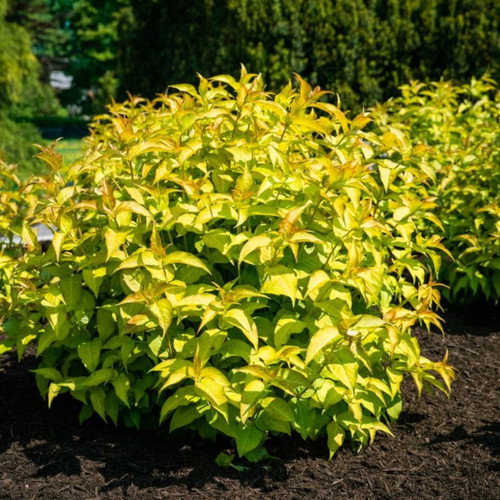
Deciduous, glossy green turning yellow-orange-red |
Low suckering shrub 2–3 ft |
Drought tough; long bloom; larval host; birds nest in thickets |
| Southern Bush Honeysuckle |
Diervilla sessilifolia |
Sulfur-yellow trumpets |
Sessile, dark green with red veins |
Compact suckering shrub 3–5 ft |
Shade & drought tolerant; attracts hummingbirds & butterflies |
| Mountain Bush Honeysuckle |
Diervilla rivularis |
Pale/yellow-green trumpets |
Hairy, oval, good red-gold fall color |
Colony-forming shrub 3–6 ft |
Heat, clay & drought tolerant; showy fall tones |
| Boxleaf Honeysuckle |
Lonicera nitida |
Tiny cream tubes |
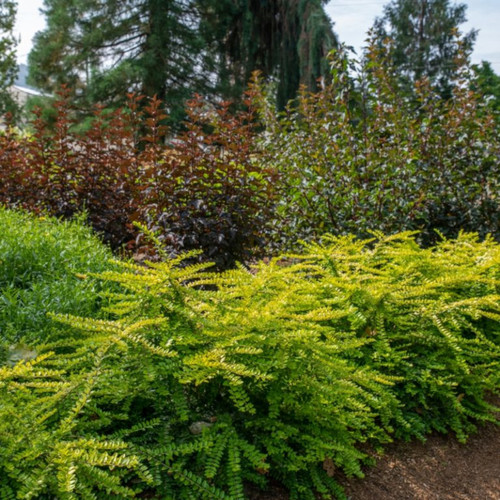
Gold, chartreuse or dark-green tiny leaves |
Dwarf evergreen shrub 2–3 ft |
Year-round foliage color; takes heavy shearing; rabbit resistant |







 Growing Zones: 4 to 8