


Light Needs

Mature Height

Mature Spread

Growing Zones
Thornless Blackberry produces bowls and bowls of big, sweet berries on a tidy, thorn-free shrub. It tops out around 4–5 feet tall and 4–5 feet wide and is much easier to harvest and prune without spines. It fruits on new canes, producing a solid crop the first year, and two harvest windows once established. The white spring flowers are a nice bonus. We think Thornless Blackberry is the best choice for customers who want plentiful homegrown berries without turning the garden into a bramble patch.
Thornless Blackberry Care
Plant in early spring or early fall in well-drained soil, spacing plants 3–4 feet apart and setting them at least 10 feet away from raspberry bushes. Give full sun for the biggest crops, although in hotter spots a touch of afternoon shade can help. Soil pH should sit around 5.8–6.8, with compost worked into the planting area. Add a simple trellis or fence support at planting time, and thin canes in late winter by removing weak or damaged growth to keep airflow high.
Growing Thornless Blackberry
Fruit begins in summer, often July into August. Established plants can provide a second crop because this variety fruits on both new and older wood. Once flowers set, berries typically take several weeks to turn fully black and release with a gentle twist. Give each plant 4–5 feet of space, because good spacing prevents mildew and cane issues.
Growing Thornless Blackberry in Containers
Use a 15–20 gallon pot with excellent drainage and a sturdy stake or small trellis for support. Repot every 2–3 years or top-dress with fresh mix and compost to keep nutrients steady. Treat Thornless Blackberry as a filler and add thyme and marigolds to keep the surface planted without hard competition. For landscape companions, try blueberry bushes and strawberry plants nearby to build a small fruit patch that ripens in waves.
Watering Thornless Blackberry
Water deeply about once a week, more often during heat or while berries are swelling. Let the top inch of soil dry between waterings so roots don’t sit wet. Dull leaves and slow berry growth usually mean it’s too dry, while constantly damp soil and yellowing foliage are signs of overwatering.
Feeding Thornless Blackberry
Feed in spring with a balanced slow-release fertilizer, placing it in a ring about 12 inches out from the base. Follow with a lighter feeding in midsummer if growth is pale or crops are heavy. Compost as a yearly top-dress helps fruiting canes stay strong and supports bigger berries without encouraging overly soft growth.
Simple Plant Spacing Calculator

Please Note: The pictures below are to give a general representation of the different container sizes. The actual size/ages of plants are estimates and will vary based on type of plant, time of year, last pruning & many other factors.
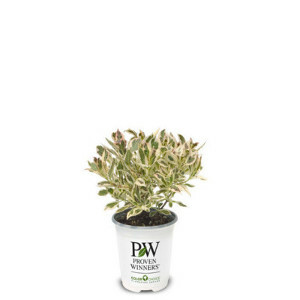
Also Known As:
Quart
Plant Age:
~ 6 months - 1 year
Plant Size:
~ 4"-8"
Pot Size:
~ 4.75"H x 4.5"W
Volume:
1.50 quarts
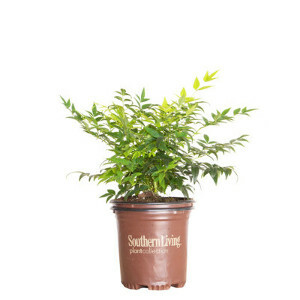
Also Known As:
2.5 Quart Pot
Plant Age:
~ 1 - 2 years old
Plant Size:
~ 8"-12"
Pot Size:
~ 6.5"H x 6.5"W
Volume:
2.20-2.30 quarts
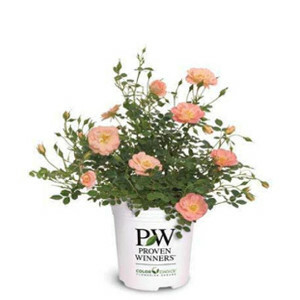
Also Known As:
#1 Container
1 Gallon
Plant Age:
~ 1 - 2 years old
Plant Size:
~ 10"-14"
Pot Size:
~ 7"H x 7.75"W
Volume:
2.26-3.73 quarts
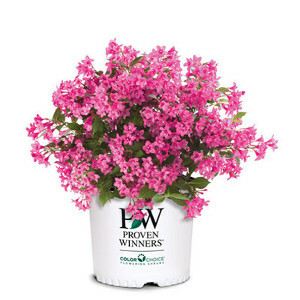
Also Known As:
#2 Container
2 Gallon
Plant Age:
~ 1.5 - 3 years old
Plant Size:
~ 12"-18"
Pot Size:
~ 9.5"H x 9.5"W
Volume:
1.19-1.76 gallons
Also Known As:
#3 Container
3 Gallon
Plant Age:
~ 2 - 4 years old
Plant Size:
~ 12"-30"
Pot Size:
~9.5"H x 11"W
Volume:
2.32-2.76 gallons

Also Known As:
#5 Container
5 Gallon
Plant Age:
~3-4 years old
Plant Size:
~ 20" - 60"
Pot Size:
~11" H x 10 1/2” W
Volume:
3.5 - 4 gallons
We stand behind our plants with industry-leading guarantees to give you peace of mind.
We want your plants to arrive in great condition! If you notice any issues upon delivery, contact us within 3 days.
Starting January 1, 2026 all bushes, perennials & trees purchased come with an extended 1-year warranty for added confidence. If your plant dies due to a health issue within a year, we’ll make it right.
Plants that are currently in stock typically ship within 2-7 business days after your order is placed.
Plant Addicts ships to the lower 48 states within the U.S. Unfortunately, we do not currently ship to Alaska, Hawaii, or internationally.
This plant cannot be shipped to the following states: AR, AZ, CA, ID, LA, OR, WA, AK, HI. These restrictions apply only to this specific plant due to agricultural regulations or other limitations. Other plants may still be available for shipping to these states.
If you have any questions about shipping restrictions, feel free to reach out to our team!