Thyme 1 to 6 of 6 total


Thyme 1 to 6 of 6 total
Chat/Email Support
Mon-Thur, 7 AM - 6 PM CST
Fri, 7 AM - 5 PM CST
Sat-Sun, 9 AM - 3 PM CST
Chat Us Email Usinfo@plantaddicts---com.lsproxy.app
Phone Support
Mon-Fri, 8 AM to 5 PM CST

Zones 5-10

Full Sun

Attracts Pollinators

Aromatic Leaves

English Thyme, Common Thyme, Garden Thyme
Greenland, Temperate and Subtropical Eurasia, NE Tropical Africa
Edible Plants
Herbaceous
5 - 9
Pink, Purple/Lavender, White
Summer
Creeping, Dense, Erect, Mounding, Prostrate
Bees, Butterflies
Drought, Dry Soil, Foot Traffic, Pollution, Poor Soil
Deer, Rabbits
Thyme is a low-growing, semi-woody perennial with small elliptical leaves that release a rich, peppery aroma when touched. This culinary herb has been prized for centuries for its herbal flavor and forgiving nature under varying climates. It often stays evergreen in milder regions, yielding fresh leaves year-round. Its delicate, lilac to pink flowers in spring attract beneficial insects and provide swaths of color.
Within a garden’s design, thyme brings neat mounds of foliage that can nestle between stepping stones, edge paths, or soften the base of rock walls. Groundcover varieties suppress weeds and stabilize soil with a dense mat of foliage. Upright varieties work well in herb beds and raised planters, where the splayed stems unify neighboring plants. Use ornamental types to anchor a sunny border with other Mediterranean herbs, such as rosemary and oregano.
| Type | Scientific Name | Flowers | Bloom Time | Habit | Uses | Features |
|---|---|---|---|---|---|---|
| Creeping Thyme | Thymus praecox | Tiny tubular pink-purple clusters | Jun – Sep | Low, mat-forming creeper | Lawn substitute, filler between pavers, rock & sensory gardens, containers | Fragrant evergreen foliage, tolerates foot traffic, drought, deer & rabbits; attracts bees & butterflies |
| Woolly Thyme | Thymus pseudolanuginosus | Sparse pale-pink tubes | Jun – Jul | Very low, fuzzy carpet | Groundcover between stones, rock walls, xeric beds | Silvery “woolly” leaves, drought & deer tolerant, handles light trampling; rarely used in cooking |
| Common/Garden Thyme | Thymus vulgaris | Whorls of pale-purple tubes | May – Jul | Small woody subshrub | Classic culinary herb, borders, pots, rock & pollinator gardens | Strongly aromatic leaves, evergreen in mild winters, drought & deer resistant; pollinator magnet |
| Lemon Thyme | Thymus citriodorus | Pale-lilac terminal clusters | Jul (mid-summer) | Mounding, semi-woody | Lemon-scented culinary herb, low edging, rock & herb gardens, containers | Citrus-fragrant foliage, evergreen in mild areas, drought/deer/rabbit tolerant; attracts bees & butterflies |
Plant thyme plants in spring, setting them into a spot with well-draining soil and at least six hours of bright light. Incorporate a little grit or coarse material into heavier soil to prevent soggy roots. Water the new plants thoroughly, then reduce frequency once they are established, as they prefer fairly dry conditions and minimal fertilizer. With consistent warmth and moderate humidity, thyme grows into a compact mass, retaining its leaf color and fragrance.
After thyme matures, cut back any woody growth in spring to encourage new shoots, removing damaged or weak stems. Harvest leaves by snipping small bunches just above a leaf junction, collecting them whenever fresh sprigs are needed. For longer storage, air-dry or place snipped stems in the freezer, ensuring flavor remains strong. In cooler climates, a thin mulch layer or mild shelter helps thyme survive freezing spells, while plants often remain evergreen in temperate zones.
Learn More About Thyme

Thyme is at home in containers, provided the pot has ample drainage holes and a fast-draining mix. Terracotta or clay containers suit thyme’s preference for drier conditions, and placing small stones on the soil surface can minimize moisture fluctuation. Position the pot in a spot receiving abundant sun, watering sparingly so roots stay healthy. Occasionally trim the plant to encourage branching and keep it from growing leggy, ensuring a steady supply of fragrant leaves.

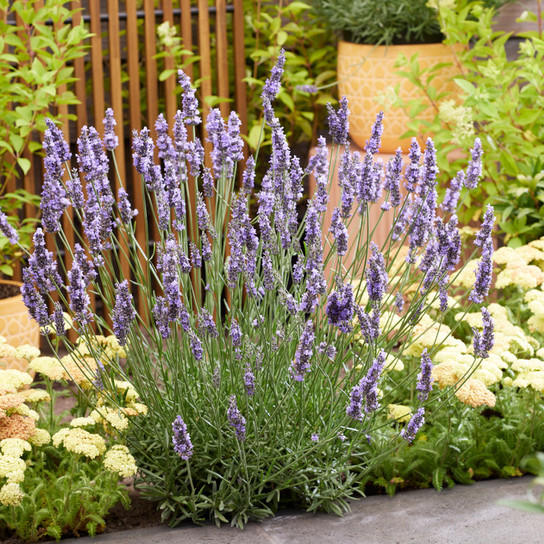
Give thyme partners that appreciate bright light, quick-draining, mineral-lean ground, and minimal watering. Tuck lavender and rosemary beside it—the trio shares Mediterranean roots, so neither herb demands extra feeding and each amplifies the other’s aroma while their flowers keep pollinators circling the bed. Fill in gaps with sedum for a drought-proof carpet that supplies late-season texture, and station a row of tomatoes nearby; thyme’s scent confuses hornworms and flea beetles, boosting crop production.