


Light Needs

Mature Height

Mature Spread

Growing Zones
Chicago Hardy Fig Tree is the best fig for cold climates because it can die back and still set a heavy main crop on new wood in summer. In the ground it typically reaches 10–15 feet tall and 9–12 feet wide, with big lobed leaves and purplish-brown fruit that ripens from late summer into early fall. The figs are best picked soft and fully colored since they don’t sweeten much after harvest, which is why homegrown figs taste so different from store fruit. We've found Chicago Hardy is the most forgiving choice for colder zones without needing a second tree for pollination.
Chicago Hardy Fig Tree Care
Plant Chicago Hardy Fig Tree in spring after your last frost, or in early fall while soil is still warm. Choose a sheltered spot with full sun and some protection from winter wind. Give it well-drained soil that stays evenly moist the first year, with a slightly acidic to neutral pH around 6.0–6.5. Avoid low areas where water sits. Prune in late winter to remove dead wood and keep a sturdy framework. In colder spots expect some dieback, so pruning will mostly be managing new canes each spring.
Growing Chicago Hardy Fig Tree
You can see fruit as soon as 1–2 years after planting, and it ripens on new growth, so summer cane growth is your crop. Allow at least 8–10 feet of open space for the shrub-like habit, or keep it tighter with yearly pruning if you’re training it as a small tree. In zone 7, start Chicago Hardy Fig Tree outdoors once nights stay reliably above freezing, and mulch the root zone well going into winter to help it rebound quickly.
Growing Chicago Hardy Fig Tree in Containers
Container culture is great for easy winter control. Use a 15–25 gallon pot with drainage and step up a size when roots circle or grow out the holes. Keep Chicago Hardy Fig Tree as the “thriller” and underplant with purslane and verbena to handle heat and spill over the rim without shading the main stems. If you’re planting in-ground instead, nearby companions like lavender and oregano work well as low growers that won’t crowd the trunk.
Watering Chicago Hardy Fig Tree
Water deeply at planting and keep a steady schedule the first season. Switch to a deep soak every 7–14 days once established, adjusting for heat and sandy soils. If leaves droop, curl, or feel slightly papery by afternoon, the tree needs water.
Feeding Chicago Hardy Fig Tree
Feed lightly in early spring with a balanced, slow-release fertilizer, and skip additional feeding unless growth is weak or leaves pale. Too much fertilizer can trade fruiting for long, leafy shoots, so a restrained approach gives better figs.
Simple Plant Spacing Calculator

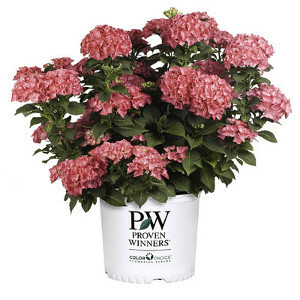
Please Note: The pictures below are to give a general representation of the different container sizes. The actual size/ages of plants are estimates and will vary based on type of plant, time of year, last pruning & many other factors.
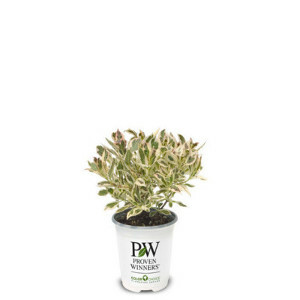
Also Known As:
Quart
Plant Age:
~ 6 months - 1 year
Plant Size:
~ 4"-8"
Pot Size:
~ 4.75"H x 4.5"W
Volume:
1.50 quarts
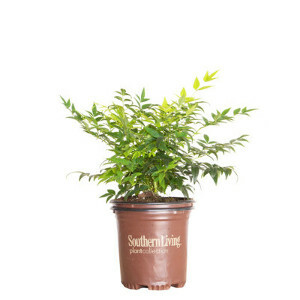
Also Known As:
2.5 Quart Pot
Plant Age:
~ 1 - 2 years old
Plant Size:
~ 8"-12"
Pot Size:
~ 6.5"H x 6.5"W
Volume:
2.20-2.30 quarts
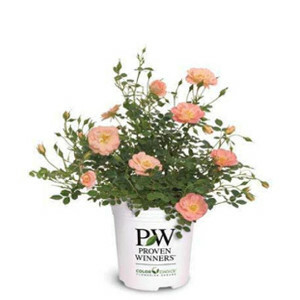
Also Known As:
#1 Container
1 Gallon
Plant Age:
~ 1 - 2 years old
Plant Size:
~ 10"-14"
Pot Size:
~ 7"H x 7.75"W
Volume:
2.26-3.73 quarts
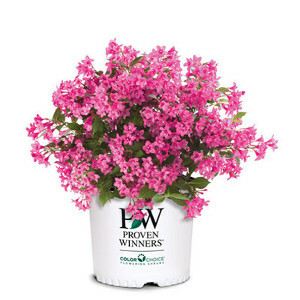
Also Known As:
#2 Container
2 Gallon
Plant Age:
~ 1.5 - 3 years old
Plant Size:
~ 12"-18"
Pot Size:
~ 9.5"H x 9.5"W
Volume:
1.19-1.76 gallons
Also Known As:
#3 Container
3 Gallon
Plant Age:
~ 2 - 4 years old
Plant Size:
~ 12"-30"
Pot Size:
~9.5"H x 11"W
Volume:
2.32-2.76 gallons

Also Known As:
#5 Container
5 Gallon
Plant Age:
~3-4 years old
Plant Size:
~ 20" - 60"
Pot Size:
~11" H x 10 1/2” W
Volume:
3.5 - 4 gallons

We stand behind our plants with industry-leading guarantees to give you peace of mind.
We want your plants to arrive in great condition! If you notice any issues upon delivery, contact us within 3 days.
Starting January 1, 2026 all bushes, perennials & trees purchased come with an extended 1-year warranty for added confidence. If your plant dies due to a health issue within a year, we’ll make it right.
Plants that are currently in stock typically ship within 2-7 business days after your order is placed.
Plant Addicts ships to the lower 48 states within the U.S. Unfortunately, we do not currently ship to Alaska, Hawaii, or internationally.
This plant cannot be shipped to the following states: AR, AZ, CA, ID, LA, OR, WA, AK, HI. These restrictions apply only to this specific plant due to agricultural regulations or other limitations. Other plants may still be available for shipping to these states.
If you have any questions about shipping restrictions, feel free to reach out to our team!