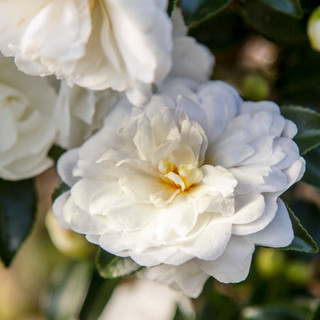
Viburnum is a tough, low-care shrub with showy spring blooms & often fragrant flowers. Plus many varieties add colorful berries & make beautiful privacy hedges.
Landscaping Tip: Viburnums are invaluable for landscaping as they are quite versatile. Smaller varieties can be grown in larger containers for patio or porch displays, and larger, more upright varieties are great for larger landscapes. They can be planted in full sun or light shade, providing the solution to the all-too-common problem of continuity in your landscape design.
About Viburnum
Genus
Species
Family
Viburnum
100+
Viburnaceae, Adoxaceae
Common Names:
Wayfaring Tree, European Cranberrybush, Siebold's Arrowwood, Laurustinus
Native To:
North America, Asia
Plant Type:
Bushes
Foliage Type:
Deciduous
USDA Plant Hardiness Zone:
3-9
Flower Color:
White, Pink
Flower Bloom Time:
Spring, Summer
Growth Habit:
Rounded
Attracts:
Hummingbirds, Pollinators, Bees
Tolerates:
Resists:
Deer
How To Use Viburnum In The Garden
Viburnums offer a year-round display with fragrant blooms in spring, showy fruits in summer and fall, and changing foliage color in the fall. A diversity of birds and insects feed on the flowers and berries. These shrubs can be deciduous or evergreen depending on the species and location. They are a low-maintenance plant, needing next to no fertilizer unless your soil is badly depleted.
The berries are produced in fall and are red, blue, or sometimes black in color. Most, but not all, species require another variety to be planted nearby (within 50 feet) to set fruit. Be sure to read each variety’s description to determine what you need to purchase to be successful in growing these spectacular shrubs.
These shrubs can be incorporated into the garden as specimen plants, hedges, or in mixed borders. Their dense growth makes them suitable for privacy screening or windbreaks. Compact species fit well in small gardens or containers, while larger varieties add structure to open landscapes. Grow these in your yard, and the wildlife will thank you as well.
Viburnum Care
Viburnum plants need well-drained soil enriched with organic matter to support healthy growth. They perform best in locations with full sun to partial shade, depending on the variety. Watering should be consistent, especially during the first growing season, to help establish strong roots. Fertilizing in early spring with a balanced, slow-release fertilizer promotes vigorous growth and improves foliage and flower production.
Pruning should be done immediately after flowering to maintain shape and encourage next season’s blooms. For winter care, adding mulch around the base helps protect the roots from freezing temperatures. Viburnums adapt well to container gardening, provided the pots have proper drainage and are large enough to accommodate their growth. During winter, container-grown viburnums may need to be moved to a protected area to avoid extreme cold.







 Growing Zones: 4 to 8